2026 Top Trends in Stainless Steel Pipe Design and Installation Techniques?
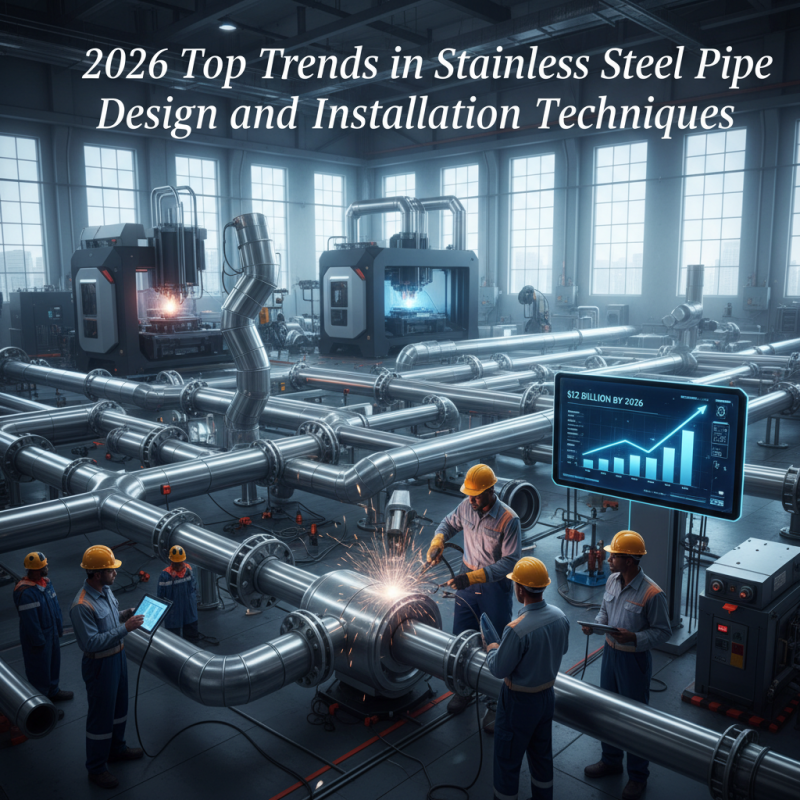
In recent years, the demand for Stainless Steel Pipe solutions has surged across various industries. According to a recent report by Smithers, the global stainless steel pipe market is projected to reach $12 billion by 2026. This growth underscores the increasing reliance on stainless steel for its corrosion resistance, durability, and aesthetic appeal. As industries innovate, design and installation techniques for these pipes are evolving significantly.
The future of Stainless Steel Pipe design focuses on efficiency and sustainability. Techniques such as advanced welding practices and modular systems are becoming increasingly popular. Industry experts suggest that these methods can reduce installation time by up to 30%. However, challenges remain. The cost of high-quality stainless steel can be prohibitive, leading some to question the balance between budget and quality.
Moreover, the introduction of smart technologies into pipe monitoring is a notable trend. These systems enhance reliability but also require significant initial investment. As trends evolve, stakeholders must assess the long-term benefits versus short-term expenditures. Thus, staying informed about the dynamics of Stainless Steel Pipe design and installation is crucial for industry players.
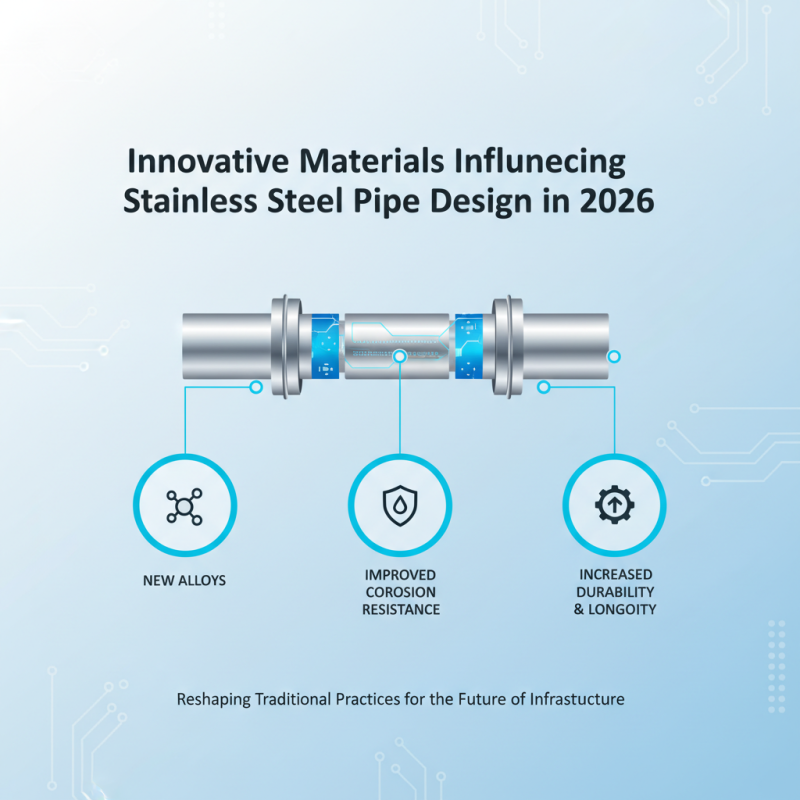
Innovative Materials Influencing Stainless Steel Pipe Design in 2026
The year 2026 shows exciting possibilities for stainless steel pipe design. Innovative materials are at the forefront, reshaping traditional practices. New alloys with improved corrosion resistance are gaining attention. These materials promise increased durability and longevity.
The use of composite materials is also rising. By integrating polymers and metals, we achieve lighter pipes. This can enhance handling and installation processes. However, these innovations come with challenges. They can complicate the welding and joining procedures. These factors need careful consideration in project planning.
Sustainability is a key driver behind new designs. Eco-friendly materials are increasingly popular. They appeal to industries seeking greener solutions. Yet, the long-term reliability of these materials needs further exploration. Engineers and designers must reflect on how these changes affect current standards. Balancing innovation with proven practices will be essential for success in this evolving field.
Advancements in Welding Techniques for Stainless Steel Pipe Installation
The advancements in welding techniques for stainless steel pipe installation are driving significant changes in the industry. Using innovative methods such as laser welding and TIG welding, professionals can achieve stronger, more precise joints. These techniques reduce the risk of defects and enhance the overall durability of the installation. In high-stakes environments, such as oil and gas industries, these improvements can be crucial.
However, the implementation of these advanced techniques is not without challenges. Skilled labor is essential, and training programs must adapt to incorporate new methods. Some workers may struggle with the intricacies of advanced welding technology. This gap can lead to inconsistent quality in installations. Continuous assessment of the workforce's capabilities is necessary to maintain high standards.
Beyond technology, proper preparation is vital. Inspecting the surfaces to be welded ensures cleaner joints. Yet, in practice, some teams may overlook this step, leading to problems down the line. Regular quality checks can help mitigate this risk. Overall, while advancements in welding techniques promise benefits, they require careful consideration and adaptation by teams in the field.
Sustainable Practices in Stainless Steel Pipe Design and Construction
Sustainable practices in stainless steel pipe design and construction are gaining traction. These methods not only reduce environmental impact but also enhance the efficiency of projects. Innovative designs often utilize recycled materials. Such practices result in lower carbon footprints and reduced waste. The focus on sustainability is reshaping the industry landscape.
When considering installation techniques, proper planning is crucial. An organized approach helps minimize resource use. Think about efficient logistics to avoid unnecessary trips. This aspect can significantly reduce energy consumption and project costs. Collaboration with contractors on sustainable methods can lead to better outcomes.
Here are some tips to enhance your sustainable practices:
- Use energy-efficient tools.
- Prioritize local sourcing for materials.
- Train your team on eco-friendly methods.
Striving for sustainability in stainless steel pipe projects often reveals areas for improvement. Regular assessments can highlight unexpected challenges.
Embracing failures can lead to innovative solutions. Focusing on sustainability is not just an option;
it is becoming a necessity in modern construction.
Emerging Trends in Pipe Insulation for Enhanced Energy Efficiency
Pipe insulation is crucial for energy efficiency. Emerging trends show innovative materials and techniques. These advancements aim to reduce energy losses in heating and cooling systems. Modern insulation materials, such as aerogel and cellulose, offer high thermal performance. They are also lightweight and easier to install.
Additionally, reflective insulations are becoming popular. They work by reflecting radiant heat away, which improves overall efficiency. Some installations now integrate smart technology, monitoring temperature and energy usage. This integration helps identify areas needing improvement.
Challenges in material costs and installation methods persist. The pipeline industry must adapt to these issues. Education and training on new techniques are essential. Some professionals may still rely on outdated methods. Embracing these new approaches can significantly enhance energy efficiency in pipe systems.
Smart Technology Integration in Stainless Steel Pipe Monitoring and Maintenance
As stainless steel pipe systems evolve, smart technology is taking center stage. Modern monitoring systems now utilize sensors that provide real-time data on pipe conditions. These sensors can detect leaks, pressure fluctuations, and temperature changes quickly. This proactive approach enhances maintenance strategies and extends the lifespan of piping systems.
Yet, integrating these advanced technologies is not without challenges. Not all facilities are equipped for retrofitting existing systems. Additionally, staff may require training to interpret the data effectively. There is also the concern of reliance on technology, which can sometimes falter.
Incorporating IoT (Internet of Things) devices allows for remote monitoring. This capability can revolutionize maintenance schedules. However, data security becomes a pressing issue. Ensuring that sensitive information remains protected is vital. Balancing technology adoption with these concerns is essential for successful outcomes in stainless steel pipe design and maintenance.