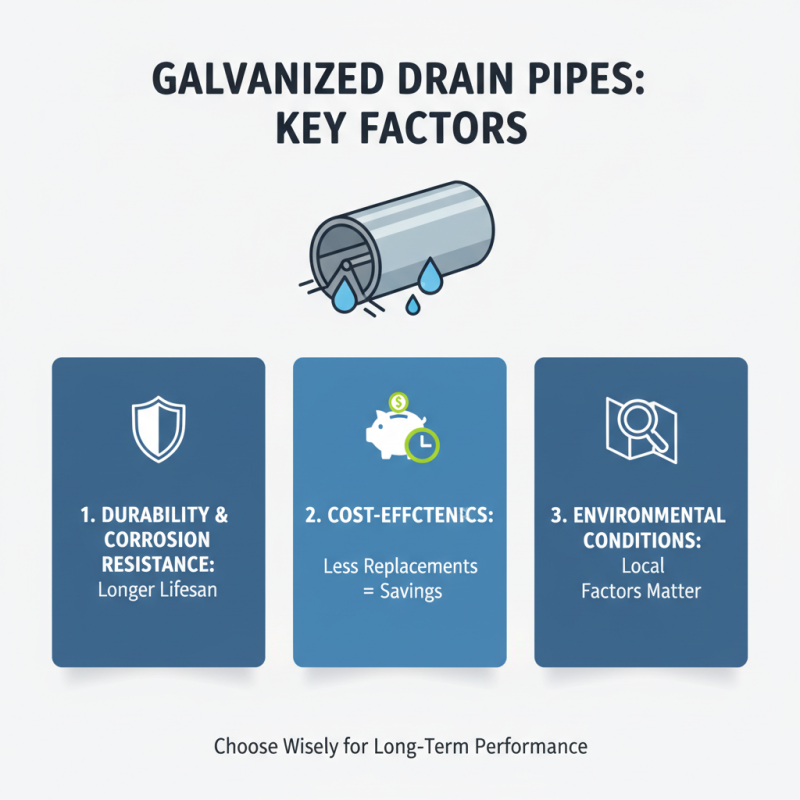
Why Choose Galvanized Drain Pipe for Your Plumbing Needs?
Choosing the right plumbing materials is crucial for any construction project. Galvanized Drain Pipes have emerged as a favoured option in many plumbing applications. According to a recent industry report by the Plumbing Research Institute, 75% of contractors prefer galvanized pipes for their durability and corrosion resistance.
Timothy Freeland, a plumbing specialist, emphasizes this point: "Galvanized Drain Pipes are long-lasting. They withstand rigorous conditions." His insights reflect the industry's preference for materials that not only perform well but also offer longevity.
However, some challenges exist. While galvanized pipe is robust, its weight can complicate installation. Additionally, it may not be the best choice in areas prone to extreme corrosion. Every project requires careful consideration of the unique environment where the pipes will be installed. In conclusion, understanding the benefits and potential downsides is essential in making an informed decision about using Galvanized Drain Pipes.
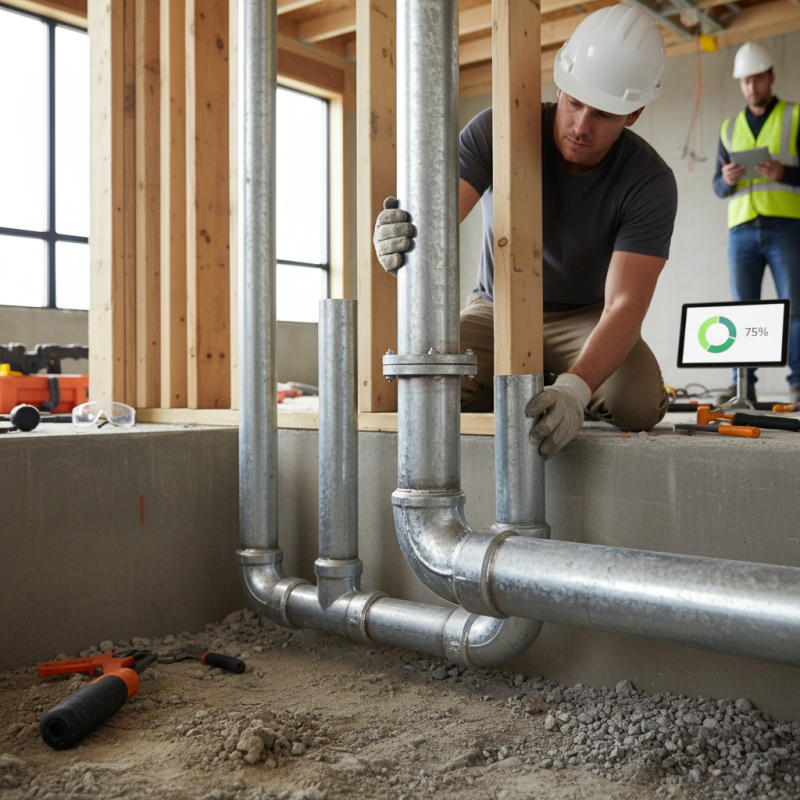
Benefits of Using Galvanized Drain Pipes in Plumbing Systems
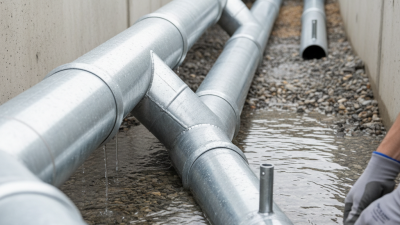
Galvanized drain pipes offer numerous advantages in plumbing systems. These pipes are coated with a layer of zinc, which provides excellent corrosion resistance. This makes them suitable for carrying wastewater and rainwater without the risk of degradation. In areas with high humidity or fluctuating temperatures, galvanized pipes can perform better than other materials. Their durability means they often last longer than alternatives, reducing the need for frequent replacements.
Another benefit is their ability to handle high pressure. Galvanized pipes can withstand significant stress, which is advantageous in busy plumbing systems. They are also less likely to bend or break over time. However, one drawback is that they can add weight to the plumbing structure. The heaviness might pose challenges during installation and maintenance. Additionally, while they resist rust, they are not entirely immune. Mineral buildup inside the pipes can occur over time. Regular maintenance is needed to unveil any hidden issues.
Galvanized pipes can have imperfect joins and connections that may leak if not installed correctly. Proper installation is crucial for optimal performance. Some DIY enthusiasts may find challenges in achieving a perfect fit. Ensuring every joint is sealed correctly requires skill and experience. Ultimately, choosing galvanized drain pipes involves weighing these benefits against some drawbacks. The right decision hinges on individual plumbing needs and conditions.
Comparison of Galvanized Drain Pipes with Other Pipe Materials
When selecting drain pipes, the material can greatly impact performance and longevity. Galvanized drain pipes are known for their resistance to rust and corrosion. This makes them a suitable option for many plumbing needs. However, compared to PVC and Copper, they can be heavier and more challenging to install.
PVC pipes are lightweight and easy to work with. They also resist corrosion well but can warp over time with temperature changes. Copper pipes offer excellent durability but are often more expensive. Both alternatives have their pros and cons. They might not provide the same longevity as galvanized pipes in moisture-heavy environments.
It’s worth noting that galvanized pipes can become clogged over time. This can affect drainage efficiency. While they are strong and reliable, one should assess the specific needs of their plumbing project. Choosing the right pipe material is crucial for ensuring a successful drainage system.
Factors to Consider When Choosing Galvanized Drain Pipes
When considering galvanized drain pipes, several factors come into play. Durability is key. Galvanized pipes resist rust and corrosion better than many alternatives. This can lead to a longer lifespan, saving you time and money on replacements. However, over time, even these pipes can wear down. Consider the specific conditions in your area that may affect their longevity.
Another factor is the pipe’s weight. Galvanized pipes are heavier than plastic options. This can be a challenge during installation. Ensure you have the right equipment and personnel to handle the weight. Additionally, think about the sizes and fittings needed. Choosing the correct dimensions is crucial. Miscalculations could lead to leaks or blockages.
Lastly, consider your plumbing layout. Galvanized pipes can be more difficult to work with in tight spaces. If your plumbing system is complex, this could present a challenge. It’s essential to evaluate your needs carefully. Reflect on future upgrades, too. You might need to replace or adjust the piping later, so plan accordingly.
Installation Tips for Galvanized Drain Pipes in Plumbing Projects
When choosing galvanized drain pipes, installation is crucial. Proper techniques can enhance performance and longevity. Start by measuring the area accurately. This ensures you cut pipes to the correct length. A precise fit reduces the risk of leaks.
Here are some tips. Use a pipe cutter for clean edges. Avoid jagged cuts that can cause blockages. When connecting pipes, use proper fittings. Make sure they are tight, but do not overtighten. This can damage the threads and lead to issues down the line.
Another important point is to consider slope during installation. A slope of at least ¼ inch per foot is ideal. This promotes efficient drainage. Yet, many overlook this detail. Improper slope may result in stagnant water. Every installation should be double-checked for this essential detail.
Why Choose Galvanized Drain Pipe for Your Plumbing Needs?
This chart illustrates the various advantages of using galvanized drain pipes for plumbing projects. The data highlights their strengths in corrosion resistance, durability, cost-effectiveness, ease of installation, maintenance needs, and recyclability.
Maintenance and Care for Galvanized Drain Pipes
Galvanized drain pipes offer durability. However, proper maintenance is crucial for longevity. Routine inspections can prevent major issues. Over time, galvanized pipes may corrode. According to industry studies, nearly 60% of galvanized pipes will show signs of rust within 20 years.
Regular cleaning is vital for maintaining flow. Clogs can build up from debris and rust. Experts recommend using a plumbing snake every few months. Chemical cleaners can damage pipes, so opt for mechanical solutions. Visual inspections can reveal leaks early. A small leak can become a big problem if ignored.
Keep an eye out for discoloration on the pipes. This may indicate corrosion beneath the surface. A professional inspection every few years is advised. Many homeowners underestimate the need for maintenance. Ignoring these signs can lead to costly repairs. Investing time in care can extend the life of your galvanized drain system.
Why Choose Galvanized Drain Pipe for Your Plumbing Needs? - Maintenance and Care for Galvanized Drain Pipes
| Feature |
Description |
Advantages |
Maintenance Tips |
| Corrosion Resistance |
Galvanized pipes are coated with zinc to prevent rust and corrosion. |
Longevity and durability in various environments. |
Inspect regularly and clean to prevent buildup. |
| Strength |
Strong construction capable of withstanding high pressure. |
Ideal for high-pressure applications. |
Avoid excessive impacts that can dent or warp the pipe. |
| Cost-Effectiveness |
Generally lower initial cost compared to other materials. |
Affordable option for plumbing installations. |
Cost-efficient maintenance can extend lifespan. |
| Fire Resistance |
Inherent fire-resistant properties. |
Enhances safety in plumbing installations. |
Ensure installation adheres to fire safety regulations. |
| Environmental Impact |
Recyclable material at the end of its life span. |
Sustainable option for construction projects. |
Recycle old pipes properly to minimize waste. |