Leave Your Message

How to Choose Hot Rolled Mild Steel Sheet for Your Projects?

Choosing the right materials for a project is crucial. The Hot Rolled Mild Steel Sheet stands out as a popular option. Its unique properties make it suitable for various applications.

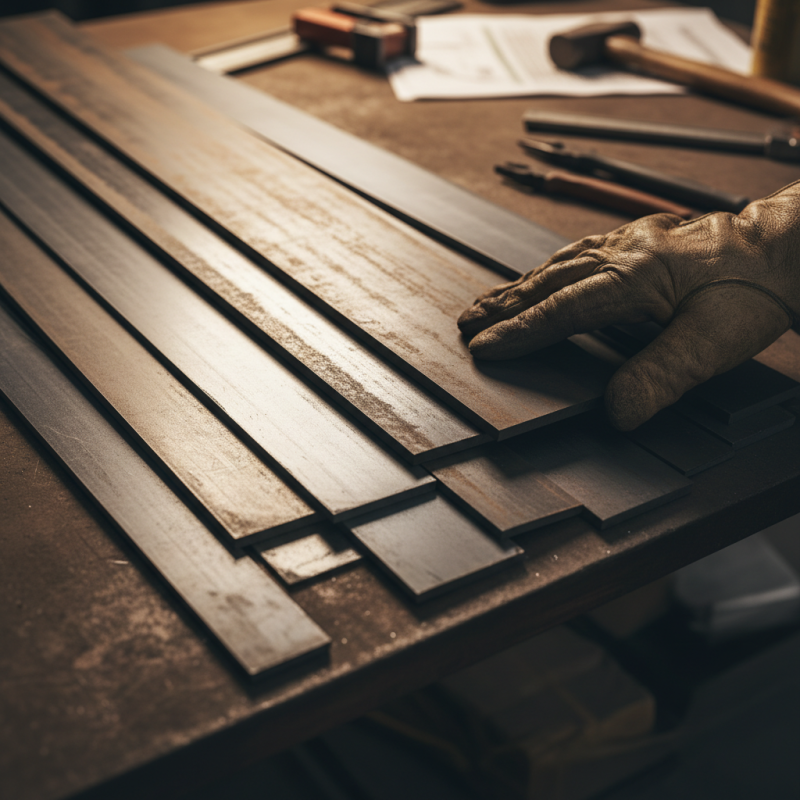
When selecting this material, consider its thickness and width. These factors can significantly influence the project's outcome. The surface finish is also important. A smooth finish might be required for specific applications. However, a rougher texture can add grip for certain designs.

It’s essential to reflect on your project's needs. Sometimes, the best choice may not be the most obvious one. Balancing cost and quality is key. A thinner sheet could save money, but might lack strength. Think about how durability is affected. Choosing wisely can lead to successful results, while poor choices can limit your project's potential.
How to Choose Hot Rolled Mild Steel Sheet for Your Projects?

Understanding Hot Rolled Mild Steel Sheets and Their Properties

How to Choose Hot Rolled Mild Steel Sheet for Your Projects?

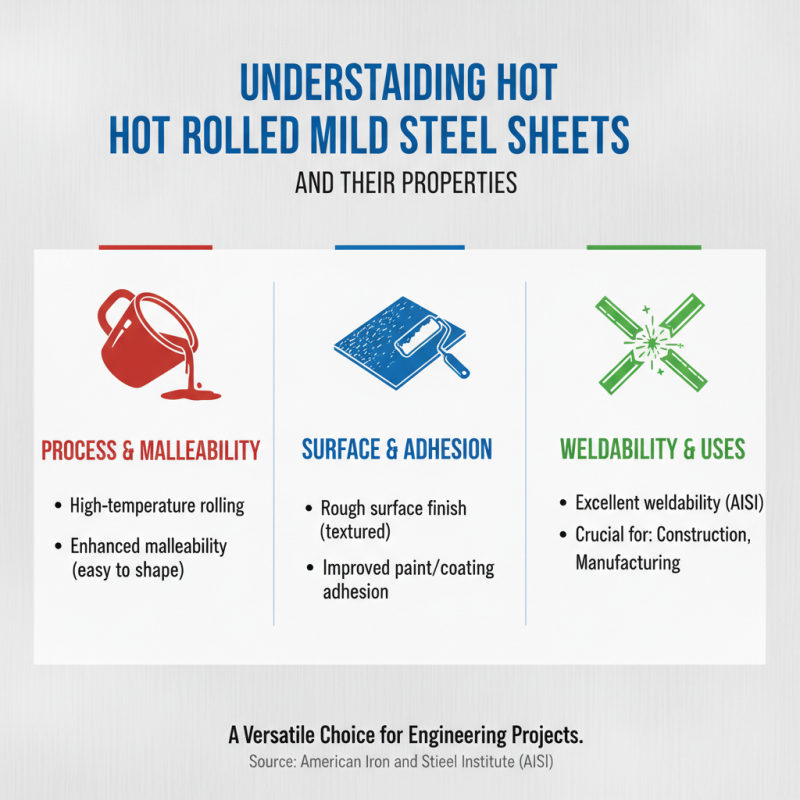
Hot rolled mild steel sheets are a popular choice in various engineering projects. They undergo a high-temperature process, which enhances their malleability. This process also results in a rough surface finish, often seen as a disadvantage. However, this texture can improve adhesion for paints or coatings. According to the American Iron and Steel Institute (AISI), hot rolled steel exhibits excellent weldability, which is crucial for construction and manufacturing.

Tips: Always check for specific carbon content and tensile strength. This information can influence your project’s durability.

Understanding their properties is essential. Hot rolled mild steel sheets typically have a yield strength of around 250 MPa. Their thickness can range from 3 to 25 mm. However, variations may occur. These can affect performance in specific applications. For example, a sheet that’s too thin might bend easily under stress. It’s crucial to assess the demands of your project carefully.

Tips: Consider environmental factors. Corrosion resistance might be necessary depending on your project’s location. Always consult industry standards as regulations can differ widely.


Identifying Project Requirements for Mild Steel Sheet Selection

How to Choose Hot Rolled Mild Steel Sheet for Your Projects?

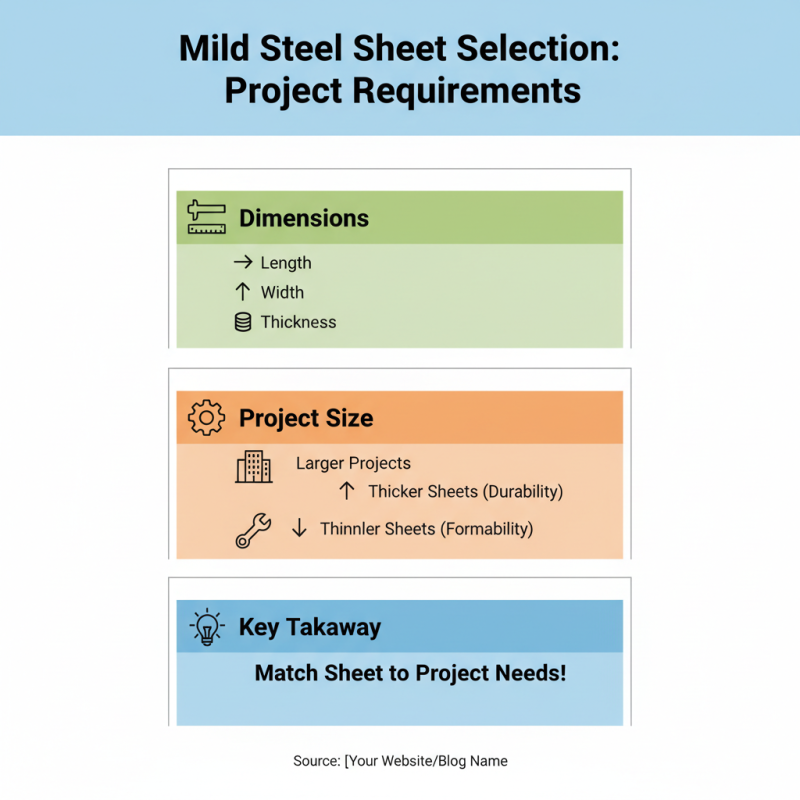
When selecting hot rolled mild steel sheets, understanding your project requirements is crucial. Consider the dimensions needed: length, width, and thickness all matter. Each project has its own needs. For instance, a larger project may require thicker sheets for durability. Conversely, smaller projects might benefit from thinner sheets that are easier to manipulate.

Think about the environment where the steel will be used. Will it face exposure to moisture, heat, or chemicals? This can lead to variations in core strength and overall performance. Not all mild steel sheets perform equally under different conditions. Also, assess how the sheets will be processed. Cutting and welding techniques may affect your choice of thickness and type.

Be mindful of your project's budget. Sometimes, cheaper options might not hold up in the long run. This could lead to higher replacement costs. Consider the intended lifespan of the steel. What is acceptable for short-term use may fall short for long-term applications. Reflect on these factors to make an informed choice that aligns with your project’s goals.

Evaluating Thickness and Dimensions for Optimal Performance

When selecting hot rolled mild steel sheets, thickness and dimensions play a critical role. The thickness impacts strength and weight. Common options range from 1.5mm to 20mm. Thick sheets tend to be heavier and might require special handling. This is a key factor if your project has specific weight limits.

It’s essential to consider the dimensions as well. Standard widths are typically 1000mm and 1250mm, while lengths can vary. Custom sizes are available, but they often come at a premium price. Ensure the dimensions fit your project needs. It can be frustrating to order sheets only to find them too large or small.

Tips: Measure your space carefully before ordering. Think about how the steel will be cut. Planning ahead can save time and money. If unsure, consult with a knowledgeable supplier. They can provide guidance on the best thickness for your application. Take the time to evaluate what fits your project. Even small mistakes in measurements can lead to larger issues down the line.

Comparing Cost Factors and Supplier Options for Steel Sheets

When choosing hot rolled mild steel sheets, understanding cost factors is crucial. Prices can fluctuate based on market demand and raw material costs. Local suppliers may offer better deals than those sourcing from distant regions. Always compare quotes from multiple suppliers. This step can help you find hidden savings.

Quality is another essential factor. Cheaper sheets might have defects. Inspect samples before purchasing. Paying a bit more may ensure better durability and performance. Look for suppliers who prioritize quality.

Supplier reputation matters too. Research their track record with previous customers. Reviews can reveal insights about reliability and service. While price is essential, don’t overlook the overall value. Balance cost and quality for the best outcome in your projects.

Assessing Surface Finish and Quality Standards in Steel Selection

When selecting hot rolled mild steel sheets, surface finish is crucial. A smooth surface can affect both aesthetics and functionality. Look for sheets with minimal surface defects. Scratches or pits can lead to issues later on. A well-finished sheet means easier welding and painting. Inspecting for consistency in the finish helps ensure quality.

Quality standards matter immensely in steel selection. Different projects may require different standards. For structural applications, adherence to specific criteria is vital. However, not all suppliers provide clear information. This makes it essential to verify certification. Sometimes, the quality can be inconsistent even within the same batch. Always ask for documentation and perform your own checks when possible.

Defects might seem minor, but they can have a significant impact. A small imperfection may lead to structural failures or excessive maintenance. Choosing the right steel should not only be based on price. Value lies in long-term performance. Reflecting on your choices can save time and resources in the future.

How to Choose Hot Rolled Mild Steel Sheet for Your Projects? - Assessing Surface Finish and Quality Standards in Steel Selection

Parameter Description Recommended Standards
Thickness The measurement of how thick the mild steel sheet is, typically ranging from 1.5mm to 25mm. ASTM A36
Surface Finish Refers to the texture and appearance of the steel sheet surface; can be rough or smooth. ASTM A568
Chemical Composition Includes percentages of carbon, manganese, phosphorus, and sulfur that affect the steel's properties. ASTM A1011
Tensile Strength The maximum amount of tensile (stretching) stress that a material can withstand. ASTM A36 - 400-550 MPa
Use Case Applications in construction, manufacturing, and automotive industries. Industry-specific guidelines