2026 How to Choose the Right Seamless Steel Pipe for Your Project?
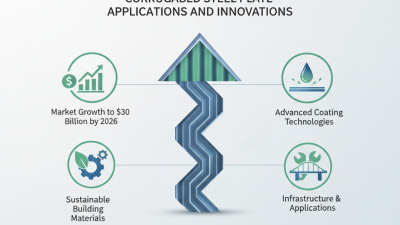
In the construction and manufacturing sectors, choosing the right material is crucial. Seamless Steel Pipe is a common choice for various applications. The latest industry reports indicate a significant increase in demand for seamless pipes. The global market is projected to reach $30 billion by 2026. This growth underscores the importance of selecting the appropriate seamless steel pipe for your specific needs.
Seamless Steel Pipe offers unique advantages over welded alternatives. It has higher strength and better resistance to pressure. This makes it ideal for critical applications in oil and gas, power generation, and construction. However, not all seamless pipes are created equal. Different grades and specifications can impact performance and longevity. Additionally, factors such as wall thickness and diameter play a significant role in suitability.
When selecting Seamless Steel Pipe, consider not just the material but also the supplier’s expertise. An informed choice can prevent costly mistakes. The wrong type of pipe can lead to operational failures. Understanding these nuances is essential for successful project outcomes.
Understanding the Basics of Seamless Steel Pipes
When selecting seamless steel pipes, understanding the basics is essential. Seamless pipes are manufactured without any joints, which means they are less likely to fail under pressure. These pipes are widely used in various industries, including oil and gas, construction, and manufacturing. Their ability to withstand high temperatures and intense pressure makes them a popular choice.
However, not all seamless steel pipes are created equal. It’s crucial to consider factors such as material grade, wall thickness, and pipe diameter. Each project may demand different specifications, and overlooking these details can lead to costly mistakes. Ductility and strength are also vital properties to evaluate. Pipes with insufficient strength may create safety hazards.
Additionally, the choice of seamless pipe should be influenced by the fluid type being transported. For example, corrosive substances require pipes with better resistance. Small variations in specifications can impact performance significantly. It's always a good idea to consult with an expert. They can provide valuable insights into meeting industry standards.
2026 How to Choose the Right Seamless Steel Pipe for Your Project?
| Material Grade |
Outside Diameter (mm) |
Wall Thickness (mm) |
Length (m) |
Pressure Rating (MPa) |
Applications |
| ASTM A53 Grade B |
21.3 |
3.2 |
6 |
20 |
Oil & Gas |
| ASTM A106 Grade B |
27.0 |
4.0 |
12 |
30 |
Power Plants |
| API 5L X52 |
33.4 |
6.4 |
18 |
25 |
Water Transportation |
| DIN 17175 |
42.0 |
5.6 |
11 |
40 |
Chemical Industry |
| JIS G3468 |
48.0 |
7.0 |
9 |
22 |
Shipbuilding |
Identifying Types of Seamless Steel Pipes for Various Applications
When selecting seamless steel pipes for your project, understanding the types available is crucial. There are various grades and specifications, each serving specific applications. For example, ASTM A106 pipes are commonly used in high-temperature services. They provide excellent strength and durability, making them a popular choice in the oil and gas industry. Conversely, ASTM A312 pipes are designed for high-pressure applications, especially in industries requiring corrosion resistance.
Tips: Assess the environmental conditions of your application to choose the right steel grade. For marine applications, consider pipes coated for enhanced corrosion resistance.
Understanding pipe dimensions is equally important. Seamless pipes come in different sizes, with wall thicknesses impacting pressure ratings. According to industry reports, 80% of failures in piping systems occur due to improper sizing. This highlights the importance of accurate calculations during the selection process.
Tips: Use precise measurement tools to ensure you get the right diameter and wall thickness. Also, consult with industry experts if uncertain.
In summary, knowing the various types and their applications leads to better project outcomes. Your choice of seamless steel pipes can significantly influence the performance and longevity of your installation.
Seamless Steel Pipe Types and Their Applications
Assessing Material Grades and Specifications for Durability
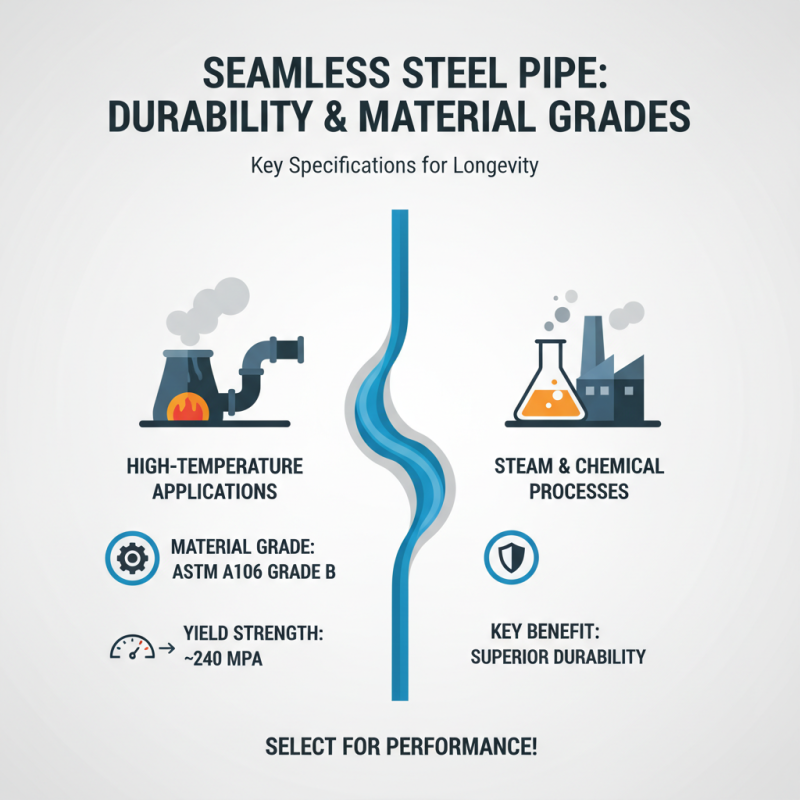
When selecting a seamless steel pipe, durability is key. Material grades directly affect performance. For example, ASTM A106 Grade B pipes are preferred in high-temperature applications. They have a yield strength of around 240 MPa. This makes them ideal for steam and chemical processes.
However, not all pipes meet these specifications. It’s crucial to ensure compliance with the latest industry standards, such as API 5L for line pipes. Pipes that do not meet these standards can lead to failures. According to a report by the American Society of Mechanical Engineers (ASME), approximately 15% of pipeline failures stem from inadequate material selection.
Assessing the environment is also essential. Corrosive environments require special coatings or higher alloyed materials. Stainless steel pipes, for instance, offer greater resistance in such situations. Yet, they may not be the cost-effective choice for all projects. Careful evaluation of project needs is vital for ensuring reliability. Remember, a thorough understanding of material properties can prevent costly mistakes.
Evaluating Pipe Dimensions and Standards for Project Needs
Choosing the right seamless steel pipe requires a careful evaluation of pipe dimensions and relevant standards. Understanding the specific needs of your project is essential to ensure optimal performance. According to the American Society for Testing and Materials (ASTM), pipe dimensions can significantly affect the structural integrity and lifespan of the installation. For instance, pipes that adhere to the ASME B36.10M standard typically offer greater strength and durability for high-pressure applications.
Tips: Always check the pipe dimensions against industry standards before purchasing. Correct dimensions prevent costly mistakes during installation.
Knowing the diameter and wall thickness is crucial. A pipe's schedule number indicates its wall thickness. The right schedule number, informed by your project's pressure requirements, enhances safety and efficiency. Some projects require specific certifications, such as API or ISO, to ensure quality. Not all suppliers provide these certifications, which can lead to problems.
Tips: Consult with industry experts to determine necessary certifications for your project. This step enhances reliability and compliance.
Inaccurate assessments can lead to significant delays. Project specifications sometimes change, and maintaining flexibility with pipe dimensions is essential. A rigid approach can derail progress, impacting overall outcomes. The importance of thorough planning cannot be overstated in any engineering context.
Cost Considerations and Supplier Selection for Seamless Steel Pipes
When selecting seamless steel pipes, cost considerations are crucial. Prices can vary widely based on material type, pipe specification, and manufacturing processes. It's essential to compare quotes from multiple suppliers. This ensures you understand the market rates and avoid overpaying. Always factor in delivery costs as well.
Supplier selection is equally important. Look for suppliers with a proven track record. A reliable supplier should provide quality assurance. Checking their certifications can save you from future headaches. Consider their customer service as well. Good communication can help resolve issues quickly.
There are always trade-offs. Lower costs might mean sacrificing quality. Sometimes, suppliers with lower prices may have extended lead times. Evaluate both cost and quality for the best decision. Understand your project's needs thoroughly before making a choice. Your investment in seamless steel pipes should align with your project’s requirements.