How to Choose the Right I Beam for Your Construction Project?
Choosing the right I Beam is crucial for any construction project. John Smith, a respected structural engineer, once said, "Selecting the proper I Beam can make or break your structural integrity." This insight highlights the importance of making informed decisions.
I Beams come in various sizes and materials. Each choice affects the overall strength and stability of a structure. Understanding load-bearing capacities is essential. An unsuitable I Beam might lead to costly repairs or, worse, structural failures.
Many overlook the importance of quality. Not all I Beams are created equal. Subpar products can compromise safety and increase expenses. It’s vital to do thorough research and consult with experts. Remember, investing time in selection can prevent future regrets.
Understanding I Beam Basics: Definition and Purpose in Construction
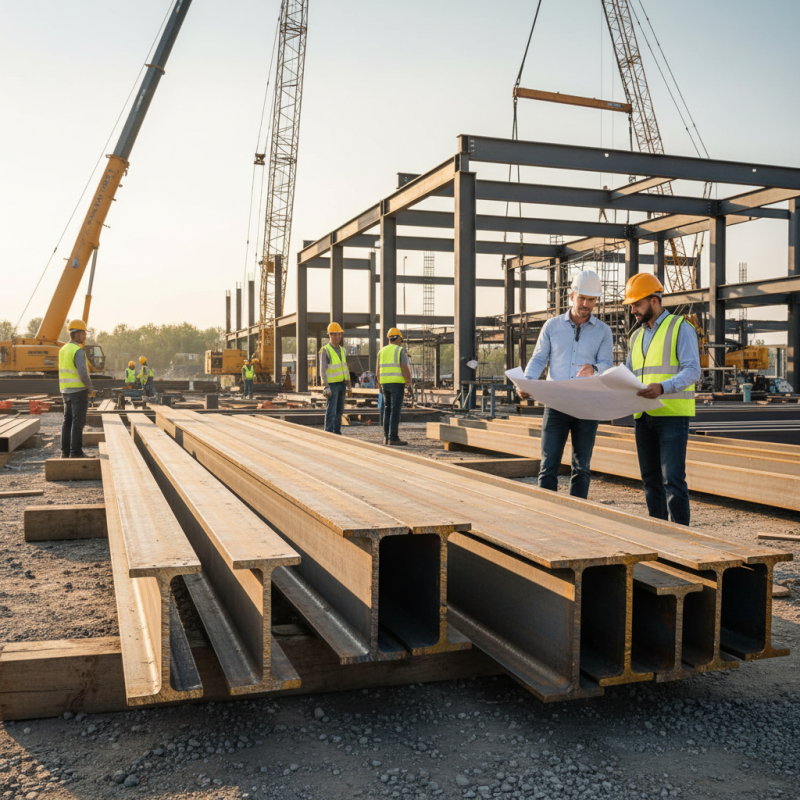
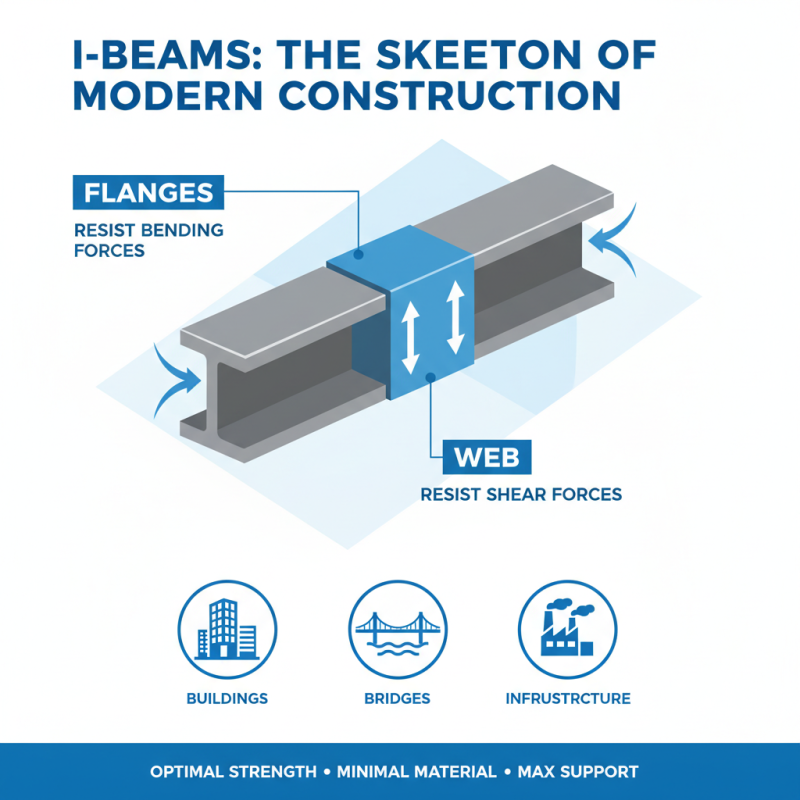
I beams, also known as universal beams, play a vital role in construction. Their shape provides excellent load-bearing capabilities. The top and bottom flanges are designed to handle bending, while the web resists shear forces. This design maximizes strength while minimizing material use. Therefore, I beams are ideal for structural support in buildings, bridges, and other infrastructures.
Understanding the specific requirements of your project is crucial. For instance, consider the load the beam will bear. The beam's dimensions and material type are essential to ensure proper support. Miscalculations can lead to underperformance or even structural failure. Inspecting the area where the beam will be placed is equally important. Dimensions should match the existing framework to ensure a proper fit.
A common mistake is overlooking local building codes. These codes often dictate specific requirements for beam specifications. Ignoring them can lead to costly rework and delays. Quality control during the selection process is vital. Factors like corrosion resistance and fatigue strength should be evaluated. Skipping these details can compromise the entire project. Reflecting on these aspects can help ensure the right choice of I beam for your needs.
Identifying Different Types of I Beams and Their Applications
When selecting I beams for your construction project, it’s crucial to understand the various types available. There are several different styles, including wide-flange, tapered flange, and slim flange beams. Wide-flange beams are popular for their stability and load-bearing capacity. They are often used in high-rise buildings and industrial applications. Tapered flanges offer a more aesthetic design and can help reduce weight. This makes them a suitable choice for residential projects.
Each type serves specific purposes. For heavy loads, wide-flange beams excel due to their broad surface area. However, they can be more expensive and challenging to install. Tapered flanges, while lighter, might not support heavy loads as effectively. Always consider the structural requirements of your project. It’s easy to overlook the importance of beam selection, which can affect durability and safety.
Moreover, every project is unique. Don’t rush this decision. Quantifying your project's needs will help in choosing the right type. Sometimes, revisiting your choices can lead to better insights. Remember, the right I beam contributes to your structure's integrity. Missteps in selection can lead to future complications. Take your time to get it right.
Evaluating Load-Bearing Capacity for Your Specific Project Needs
Evaluating load-bearing capacity is crucial for any construction project. I beams come in various sizes and materials, each capable of handling different loads. According to the American Institute of Steel Construction, understanding the specific load requirements is essential. An I beam may need to support a building's floors, roofs, or heavy machinery. Know your project's demands before choosing.
Think about the design. A beam's depth and width dictate its load-bearing capacity. For example, a deeper beam can support more weight. Reports show that a beam with a depth-to-span ratio of 1:20 can perform well in standard applications. However, not all projects will fit neatly into these guidelines. Some specific conditions might require adjustments and additional support structures.
It's also important to consider the material used. Steel beams tend to have higher strength compared to aluminum or wood. Yet, the environment and potential rust factors can affect long-term performance. Recognizing these variables can avoid potential structural failures. Always factor in unforeseen issues when planning load specifications. Understanding the full breadth of load-bearing capacity is essential for project safety and success.
How to Choose the Right I Beam for Your Construction Project? - Evaluating Load-Bearing Capacity for Your Specific Project Needs
| I Beam Size (inches) |
Weight per Foot (lbs) |
Load-Bearing Capacity (lbs) |
Material |
Application |
| 6 x 8.5 |
28.6 |
15,700 |
Steel |
Residential Construction |
| 8 x 10 |
46.9 |
30,000 |
Steel |
Commercial Buildings |
| 10 x 12 |
83.5 |
45,000 |
Steel |
Industrial Structures |
| 12 x 20 |
119 |
60,000 |
Steel |
Bridges |
| 14 x 14 |
102 |
50,000 |
Steel |
High-Rise Construction |
Factors Influencing Material Choice for I Beams: Steel vs. Other Materials
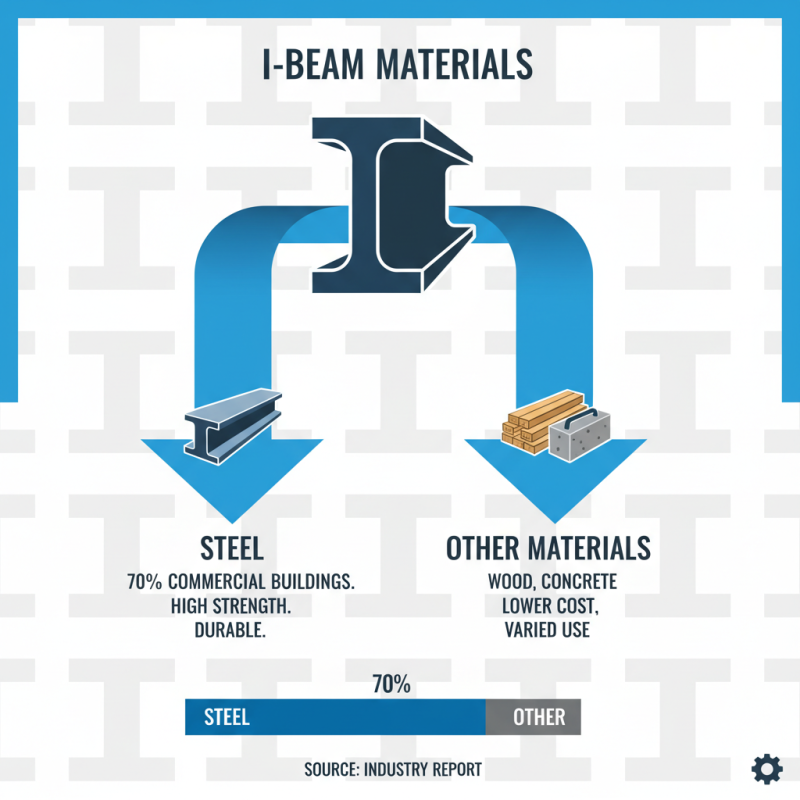
Choosing the right material for I beams is crucial. Steel is often the top choice in construction. According to a recent industry report, over 70% of I beams used in commercial buildings are steel. Steel offers high strength-to-weight ratios, making it ideal for large structures. However, it does come at a higher cost compared to other materials.
In some cases, alternative materials can be explored. Aluminum I beams are lighter and corrosion-resistant. They can be beneficial for projects where weight is a concern. A study shows that aluminum can reduce building weight by up to 30%. However, production costs often overshadow these benefits. Other materials, like reinforced concrete, are also available. They provide robust solutions but may lack the flexibility of steel.
Material choice is not merely about strength and cost. Project requirements and environmental factors play significant roles. Local climates can affect material performance over time. Steel may rust if not properly treated, while concrete can crack in extreme temperatures. Evaluating these factors is essential for a successful project. Balancing cost, performance, and environmental impact is a complex task.
Best Practices for Sizing and Sourcing I Beams in Construction Projects
Choosing the right I beam is critical for any construction project. Proper sizing ensures your structure's strength and durability. Start by evaluating the load requirements. Take into account both static and dynamic loads. Use reliable calculations to determine the necessary beam size.
Sourcing I beams can present challenges. Not all suppliers provide quality materials. Visit local suppliers to inspect beams physically. This helps you gauge their quality firsthand. Ask questions about sourcing and manufacturing practices. A supplier's reputation can affect your project's outcome.
Be mindful of potential issues. Sometimes, beams do not fit as expected. This may lead to delays and increased costs. Keep your project timelines flexible to accommodate adjustments. Reflect on your choices and be ready to pivot if necessary.
How to Choose the Right I Beam for Your Construction Project?