What is a Flat Steel Bar and What are its Uses?
Flat steel bars are essential materials in various industries. They are robust, versatile, and widely used in construction, manufacturing, and fabrication. John Smith, a renowned expert in the steel industry, once noted, “Flat steel bars are the backbone of many structural applications.” His words highlight the significance of this material in modern engineering.
The production process of flat steel bars involves heating and rolling thick steel into flat shapes. These bars come in different sizes and thicknesses, allowing for diverse applications. From building frames to machinery parts, the uses are numerous. However, not all flat steel bars are created equal; quality varies among manufacturers.
Understanding the specific applications of flat steel bars is crucial. Yet, companies often overlook the importance of sourcing high-quality materials. This can lead to structural weaknesses and costly repairs. It’s essential to strike a balance between cost and quality in the selection process. In the end, while flat steel bars play a vital role, the responsibility lies in choosing the right type for each unique project.
What is a Flat Steel Bar? Definition and Characteristics
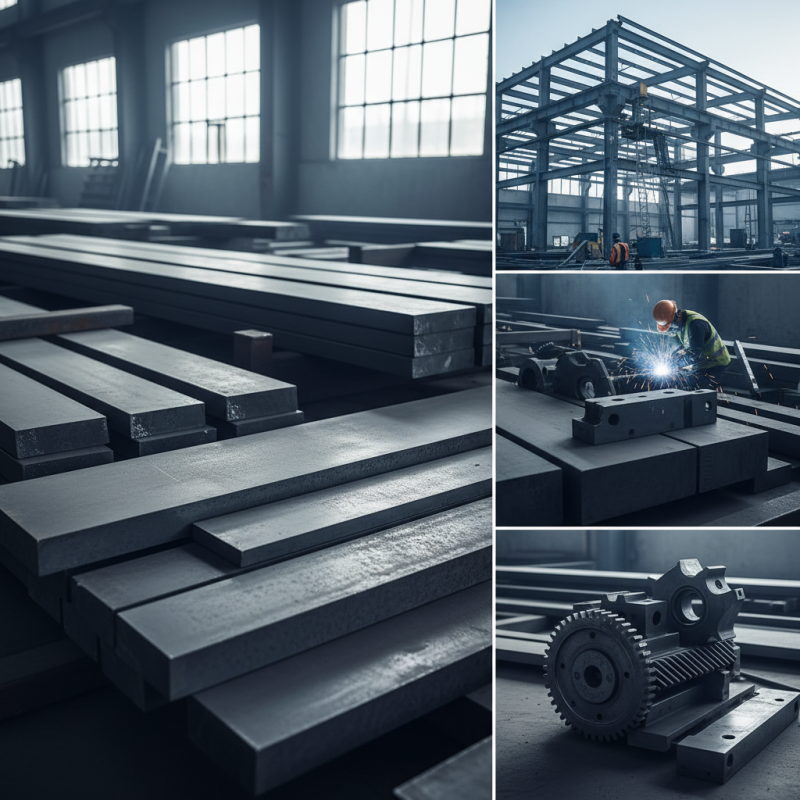
Flat steel bars are crucial materials in construction and manufacturing. They are rectangular strips made from steel, varying in width and thickness. Unlike round bars, flat steel bars have a flat surface, making them suitable for a variety of applications. Their smooth edges and surfaces enhance their usability, allowing for straightforward cutting and welding.
The characteristics of flat steel bars include high strength and durability. They resist deformation under load, making them ideal for structural support. Additionally, they can be used as components for beams and frameworks. Engineers often use them in creating brackets, frames, and braces. Their versatility extends to decorative applications, too, where they serve as stylish trim or embellishments.
Despite their benefits, there are challenges to consider. Ensuring proper sizing is crucial, as incorrect dimensions can lead to structural issues. Also, flat steel bars can be susceptible to corrosion, which requires protective coatings. Users must be aware of these factors to maximize the effectiveness of flat steel bars in their projects. Choices must be made carefully to avoid common pitfalls in usage and application.
Types of Flat Steel Bars: Hot Rolled vs Cold Rolled
Flat steel bars are widely used in various industries, thanks to their versatile properties. When exploring flat steel bars, two main types emerge: hot rolled and cold rolled. Each type has distinct characteristics suited for different applications.
Hot rolled flat bars are produced by heating steel above its recrystallization temperature. This process makes them malleable and easy to shape. According to recent industry reports, hot rolled steel constitutes around 70% of the flat bar market due to its cost-effectiveness. These bars exhibit a rougher finish, which may not always be aesthetically pleasing. However, they are ideal for structural applications, such as construction and manufacturing, where surface finish is less critical.
On the other hand, cold rolled flat bars undergo further processing after hot rolling. This technique enhances the precision of dimensions and improves surface quality. Industry data indicates that cold rolled bars make up about 30% of the flat bar market. These bars are often used in applications where smooth surfaces and exact tolerances are essential. However, the increased manufacturing costs may deter some buyers. Both types of flat steel bars have their pros and cons, reflecting the diverse needs of industries across the globe.
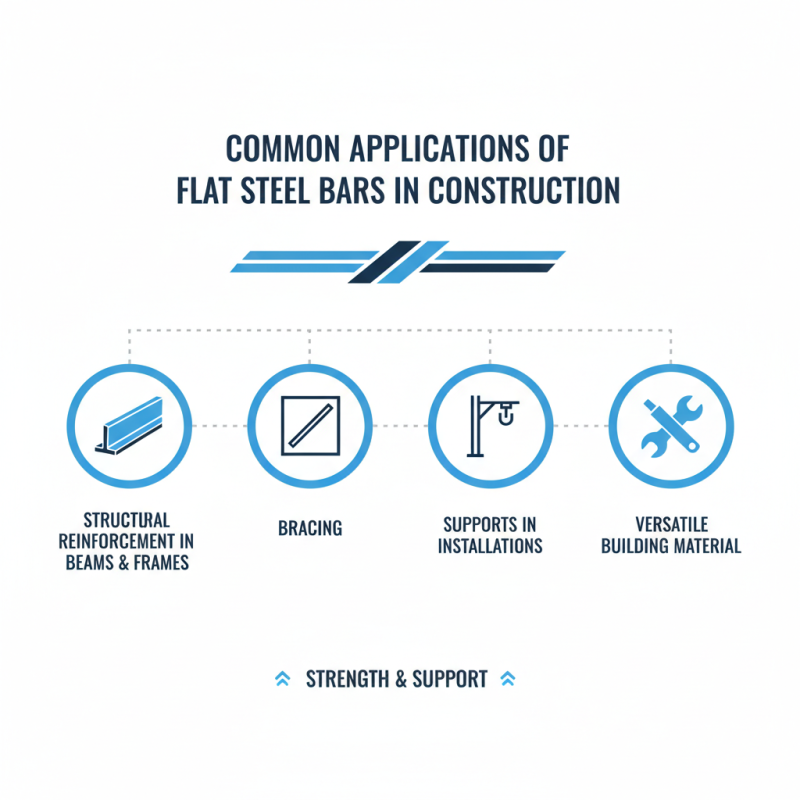
Common Applications of Flat Steel Bars in Construction
Flat steel bars are essential in modern construction. They provide strength and support in various building projects. These bars are versatile and can be used in different ways. For instance, flat steel bars often serve as structural reinforcements in beams and frames. They can also be used for bracing and as supports in installations.
In residential construction, flat steel bars are frequently employed in the creation of door and window frames. The rigidity they offer ensures stability and safety. Another common application is in fencing, where they contribute to the durability and longevity of the structure. When used properly, they enhance the aesthetic appeal of metalworks.
Tips: Always check the thickness and width of flat steel bars before use. This will ensure they meet project requirements. Additionally, consider corrosion resistance in outdoor applications. It can prolong the life of your structures. Lastly, think about weight distribution when using these bars. Proper placement can greatly affect the integrity of the construction.
The Role of Flat Steel Bars in Manufacturing and Fabrication
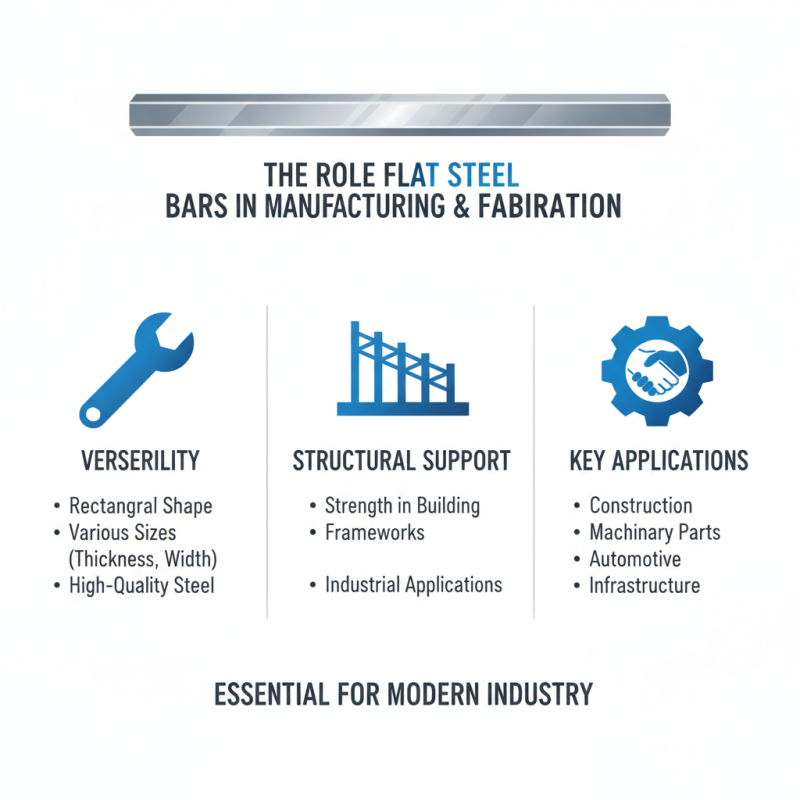
Flat steel bars play a significant role in manufacturing and fabrication processes. These bars, known for their rectangular shape, are made from high-quality steel. They come in various thicknesses and widths, making them versatile for different applications. Often, flat steel bars are used in structural support. They provide strength in various building projects.
In fabrication, these bars are favored due to their ease of manipulation. They can be cut, welded, or shaped to fit specific needs. Many manufacturers appreciate their uniformity, which allows for precision in production. However, some may underestimate the importance of proper quality checks. This can lead to structural weaknesses if the bars are not up to standard.
Moreover, flat steel bars are essential in creating fixtures and brackets. They provide stable bases for various components. However, limited knowledge about their specifications can lead to misunderstandings. For example, selecting the wrong thickness can compromise the integrity of a project. Therefore, a careful approach is necessary when incorporating flat steel bars into designs.
Industry Standards and Specifications for Flat Steel Bars
Flat steel bars are versatile products used across various industries. Industry standards and specifications play a crucial role in determining their quality and usage. Typically, these bars vary in thickness, width, and length, which influences their application. Common specifications include ASTM, ISO, and EN standards, ensuring that products meet safety and performance criteria.
When selecting flat steel bars, one must consider the material grade. Different grades provide varying levels of strength, ductility, and corrosion resistance. This selection impacts the bar's performance in specific applications.
Tip: Always check compliance with relevant standards. Improper specifications can lead to serious safety issues.
The manufacturing process also affects the quality of flat steel bars. Hot-rolled and cold-rolled bars have different characteristics. Hot-rolled bars are easier to shape but may have surface imperfections. Cold-rolled bars offer a smoother finish but can be more brittle.
Tip: Reflect on the specific needs of your project. The right choice often requires balancing cost and performance.