Leave Your Message

Why Is I Beam Essential for Modern Construction and Engineering?

The I Beam holds a significant place in modern construction and engineering. As a fundamental structural element, it supports various architectural forms and enhances load management. Renowned engineer Emily Johnson states, "The I Beam is the backbone of our infrastructure." This statement encapsulates the vital role of I Beams in providing stability and strength.

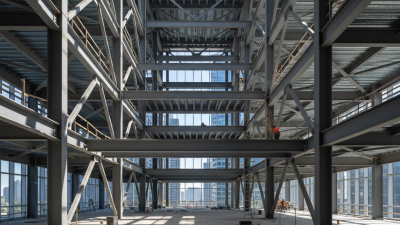
I Beams are notable for their lightweight yet sturdy construction. This combination enables architects and engineers to create innovative designs without sacrificing safety. In skyscrapers, bridges, and other infrastructures, I Beams distribute weight effectively, preventing structural failure. Their adaptability in various projects reflects their essential nature.

However, reliance on I Beams is not without challenges. Engineers must consider factors like material fatigue and environmental impact. The evolving construction landscape requires a balance between tradition and innovation. Continuous research and development are necessary to optimize the use of I Beams, ensuring they meet modern demands while addressing sustainability concerns.

Why Is I Beam Essential for Modern Construction and Engineering?

The Structural Significance of I Beams in Load-Bearing Applications

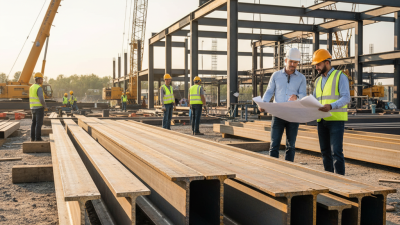
I beams, also known as wide flange beams, play a crucial role in modern construction. Their shape allows them to support heavy loads effectively, making them ideal for large buildings and bridges. The design consists of a vertical web and horizontal flanges, which distribute weight evenly. This structural efficiency reduces the amount of material needed, promoting sustainability.

In load-bearing applications, I beams resist bending and shear stress remarkably well. Their robust properties ensure stability while providing flexibility for creative architectural designs. For example, skyscrapers heavily rely on these beams for their height and integrity. Despite their advantages, challenges arise in balancing weight and aesthetics.

Construction teams must consider the right material and size for each project. Miscalculations can lead to structural issues or increased costs. Continuous learning is necessary to optimize the use of I beams and improve construction practices. Even with advancements, the potential for innovation remains vast, inviting ongoing discussion in the engineering community.
Material Properties: Steel vs. Other Materials in I Beam Manufacturing

I beams are crucial in modern construction due to their robust material properties. Among various materials, steel stands out for its strength-to-weight ratio. Steel I beams can support heavy loads while remaining lighter than beams made from other materials like wood or concrete. This makes them a preferred choice in skyscrapers and bridges.

Concrete, though strong in compression, lacks the tensile strength of steel. Wood is lighter but not as durable over long spans. Steel's resistance to issues like warping or cracking gives it an edge. This unique combination of properties allows I beams to maintain structural integrity in various environments.

**Tip:** When selecting materials for construction, consider not just the weight but also the load-bearing requirements.

Durability is a significant factor. Steel can withstand environmental stress better than many alternatives. It often requires less maintenance over its lifespan, unlike wood, which can rot. However, engineers need to focus on corrosion resistance. Factors like humidity can affect steel’s longevity if not treated properly.

**Tip:** Always check local building codes. They often specify the type of materials and treatments needed for specific environments.

Why Is I Beam Essential for Modern Construction and Engineering?

Material Type Density (kg/m³) Yield Strength (MPa) Tensile Strength (MPa) Cost per kg (USD)
Steel 7850 250 400 1.00
Aluminum 2700 150 300 2.50
Concrete 2400 30 4.0 0.10
Wood 500 40 90 0.50

Design Flexibility: The Role of I Beams in Architectural Innovation

Why Is I Beam Essential for Modern Construction and Engineering?

I beams play a crucial role in modern architecture. They provide essential support while allowing for innovative designs. This flexibility is vital for creating open spaces. Architects love the ability to span large distances without many columns.

The design possibilities with I beams are endless. They can be used in various structures, from residential homes to skyscrapers. Their high strength-to-weight ratio helps in creating daring designs. A well-placed I beam can significantly enhance an aesthetic, drawing the eye of onlookers. However, despite their versatility, over-reliance on I beams can lead to challenges in other structural areas.

Tips for architects: explore unique configurations with I beams. Consider how different placements affect the flow of a space. Also, regularly evaluate the structural integrity during the design process. Every decision impacts the overall safety and look of the structure. Remember, craftsmanship and material choice are just as vital as design. Balancing innovative design with practical considerations leads to sustainable projects.

Statistical Trends in I Beam Usage in Modern Construction Projects

Why Is I Beam Essential for Modern Construction and Engineering?

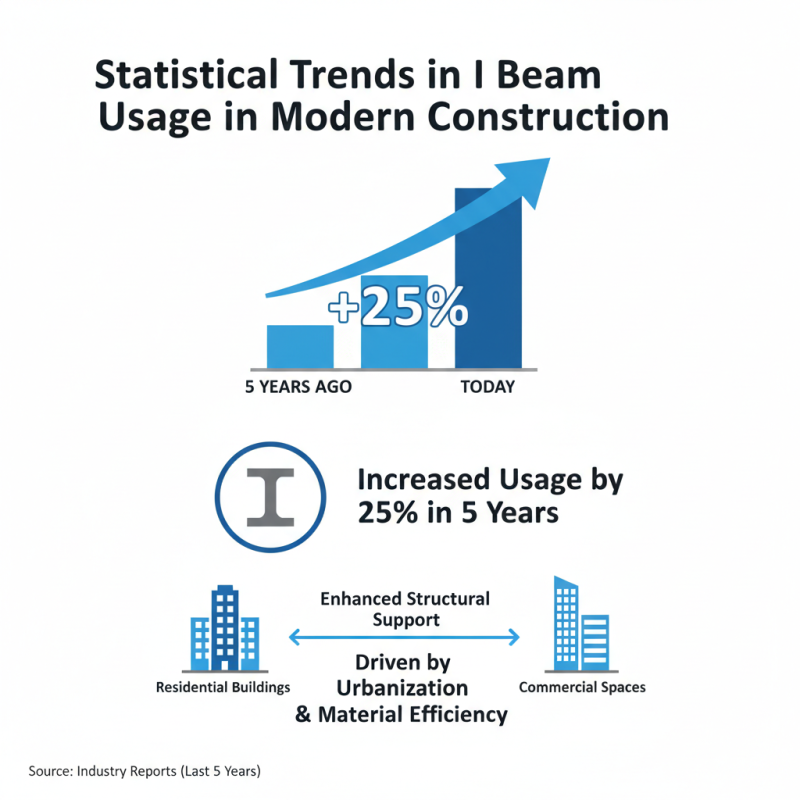
The usage of I beams in modern construction is on the rise. Recent industry reports indicate a growth of approximately 25% in I beam applications over the past five years. This trend aligns with the increasing demand for durable and efficient building materials. With the surge in urbanization, the versatility of I beams attracts architects and engineers alike. For instance, residential buildings and commercial spaces are utilizing these beams for enhanced structural support.

I beams are increasingly favored due to their strength-to-weight ratio. This reduction in material usage translates to significant cost savings for project managers. A survey from the Construction Materials Institute highlights that over 50% of large-scale projects now incorporate I beams, with over 80% reporting improved project timelines. However, the reliance on I beams raises questions about sustainability. Continuous monitoring and innovative recycling methods might be needed to address potential environmental concerns.

Tip: Always ensure that I beams are sourced from reputable suppliers. Reliability is key when considering structural integrity. Another point to ponder is the potential for over-engineering. Sometimes, simpler solutions may suit the project better. Furthermore, regularly review design plans for efficiency.

Cost-Effectiveness of I Beams in Large-Scale Engineering Solutions

When considering large-scale engineering solutions, cost-effectiveness plays a vital role. I beams are often chosen for their efficiency. Their design provides exceptional strength-to-weight ratios. This means less material is required, leading to savings in manufacturing and transportation. Constructing buildings requires significant resources, and choosing I beams can drastically reduce cost while ensuring structural integrity.

Additionally, I beams offer versatility in various applications. They fit well in different structural contexts, from bridges to high-rise buildings. The ability to standardize sizes simplifies procurement. However, the benefits can vary based on specific project needs. Sometimes, engineers might underestimate the importance of load calculations. This can lead to oversights where weaker materials are used. Each project should carefully assess the unique demands to maximize the advantages of I beams.

Despite their many benefits, challenges still exist. Engineers must stay updated with modern design technologies. As materials evolve, so do construction methods. Relying on outdated practices can cause inefficiencies. Project teams must continuously reflect on their approaches. The final aim is to strike a balance between cost, safety, and sustainability in construction.