Why is Angle Bar Essential in Construction and Engineering Applications?
The construction and engineering industries rely heavily on various structural components. Among these, the Angle Bar stands out as a vital element. According to a report by Research and Markets, the global steel angle bar market size is projected to grow steadily, driven by ongoing infrastructure projects. This trend underscores the significance of Angle Bars in providing support and stability in construction.
Angle Bars are known for their versatility. They are often used in beams, frames, and braces, forming the backbone of many structures. The American Institute of Steel Construction (AISC) emphasizes that robust design hinges on high-quality materials like Angle Bars. These components not only enhance structural integrity but also contribute to cost-effective project solutions, addressing budgetary constraints in construction.
While the benefits of Angle Bars are undeniable, challenges persist. Quality standards vary, impacting durability and safety in construction. Manufacturers must ensure compliance with rigorous specifications. An ongoing commitment to improvement is essential. By focusing on the reliability of Angle Bars, the construction industry can better meet the demands of modern engineering projects.

The Definition and Composition of Angle Bars in Construction
Angle bars, also known as L-shaped bars, are crucial components in construction and engineering. These bars are typically made of steel or aluminum, offering high strength and durability. They feature a 90-degree angle, which allows for easy joining and support of structures. Common compositions include carbon steel, stainless steel, and alloy steel, each providing unique benefits for specific applications. Their structural integrity makes them reliable in both residential and commercial projects.
When using angle bars, consider their weight capacity. Proper assessment can prevent structural failures. This is especially vital when these bars are used for supporting beams or frames. Ensure you understand the load requirements before installation. Evaluate the environment as well. Corrosion resistance may be necessary for projects exposed to moisture or chemicals.
Tip: Always select the right size and thickness for your application. Underestimating these factors can lead to expensive repairs later. Regularly inspect the installed angle bars for signs of wear or fatigue. This practice prolongs their lifespan and enhances overall safety. Proper maintenance is essential for any construction material.
The Role of Angle Bars in Structural Support and Stability
Angle bars play a crucial role in construction and engineering, particularly in structural support. They are L-shaped steel sections known for their strength and durability. These bars provide stability to frameworks, ensuring that buildings can withstand various loads. Their geometry allows for easy joining with other structural components, enhancing overall rigidity.
In terms of structural integrity, angle bars help distribute weight evenly. This prevents stress concentrations, which can lead to structural failures. For example, in a steel frame building, angle bars can reinforce joints between beams and columns. However, the incorrect placement or sizing of these bars can compromise safety. It highlights the need for careful planning and execution in design.
Additionally, angle bars are versatile. They can be used in various applications, from bridges to industrial frameworks. Their adaptability makes them essential for engineers. Despite their effectiveness, reliance solely on angle bars without thorough structural analysis can be risky. Professionals must balance cost, materials, and safety to optimize their use in projects.
Common Applications of Angle Bars in Engineering Projects
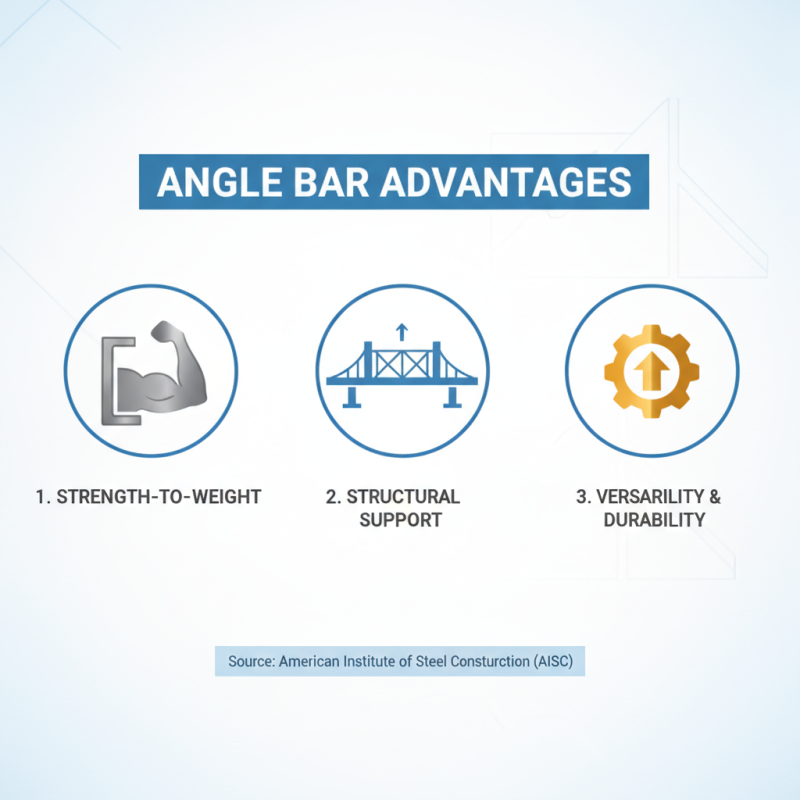
Angle bars are integral to various engineering projects due to their versatility. They support structures in construction, serving as beams or brackets. A report from the American Institute of Steel Construction found that angle bars can withstand significant loads, making them perfect for framing and bracing. Their strength-to-weight ratio is particularly advantageous for high-rise buildings and bridges, where resilience and stability are paramount.
In mechanical engineering, angle bars often play a role in machinery support. They provide necessary alignment for components, ensuring smooth operation. According to industry standards, using angle bars reduces vibration and enhances safety. However, not all applications utilize the correct specifications, which can lead to inefficiencies or failures. Engineers must assess their application requirements diligently.
Angle bars are also utilized in the fabrication of racks and shelving systems. They help maximize space utilization in warehouses or factories. Data indicates that using custom angle bars can increase storage capacity by up to 30%. Despite their widespread use, improper installation can compromise structural integrity. Awareness and training are essential for personnel involved in these projects.
Maintenance and Durability Considerations for Angle Bars in Use
Angle bars play a vital role in construction and engineering due to their high strength-to-weight ratio. However, their maintenance is often overlooked. Regular inspection can help identify potential issues before they escalate. Corrosion is a common concern affecting the longevity of angle bars. Without proper protection, they can degrade quickly, especially in harsh environments.
Welding and joining require attention too. If not done correctly, these areas can become weak points. Damage from heavy loads or impacts may be subtle but can weaken the structure significantly. Addressing these factors is essential for durability. Using protective coatings can enhance resistance against environmental factors, yet they can wear off over time. Finding the right balance between maintenance and inspection is crucial for sustaining structural integrity.
Ultimately, ensuring the longevity of angle bars requires a proactive approach. Regular maintenance can save costs and time in the long run. It’s a continuous learning process for many in the industry. Understanding the limitations and challenges of angle bars is key to effective engineering.