What is Seamless Steel Pipe and Its Applications in Industry?
Seamless steel pipes hold a crucial position in various industries, including construction, oil and gas, and manufacturing. These pipes are manufactured without welding, providing higher durability and resistance to pressure. According to a recent report by the Global Seamless Steel Pipe Market, the demand is expected to grow by 5% annually over the next five years, driven by industrial expansions.
John Smith, a leading expert in metallurgical engineering, emphasizes the importance of seamless steel pipes. He states, "Seamless steel pipes are essential for ensuring structural integrity in high-pressure environments." The ability to withstand extreme conditions makes these pipes a preferred choice for critical applications.
However, despite their advantages, some manufacturers still face challenges in quality consistency. Ensuring high-quality production can be a complex and costly process. The seamless steel pipe industry must continuously innovate to overcome these challenges and meet rising demand.
Definition and Characteristics of Seamless Steel Pipe
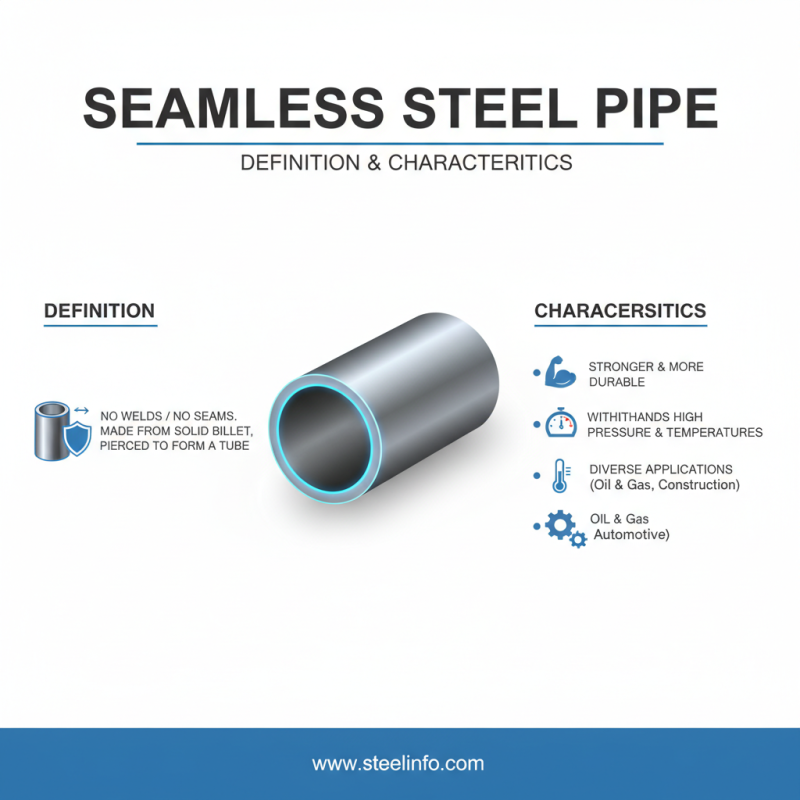
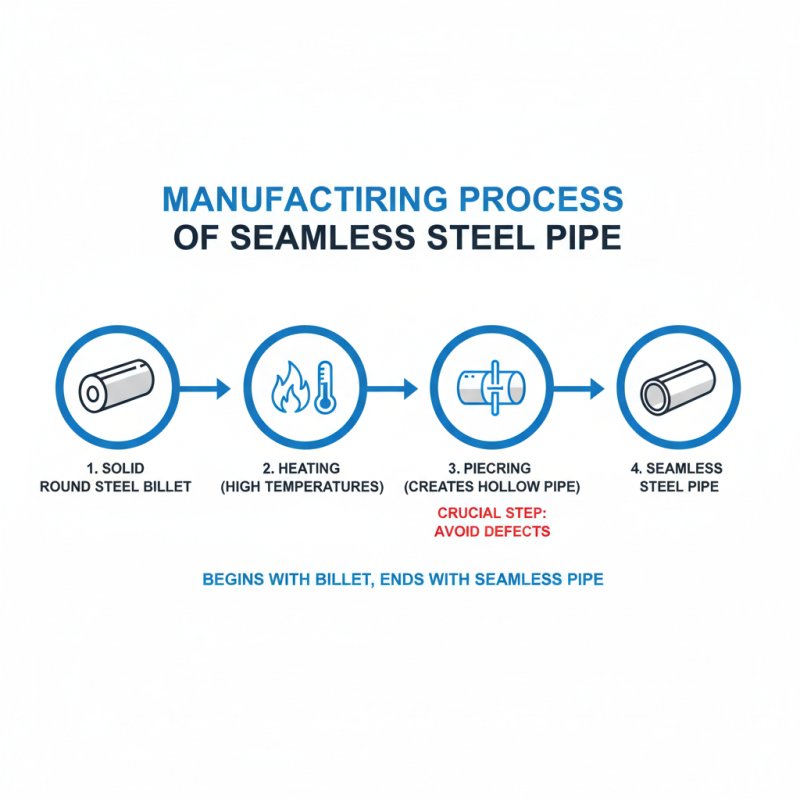
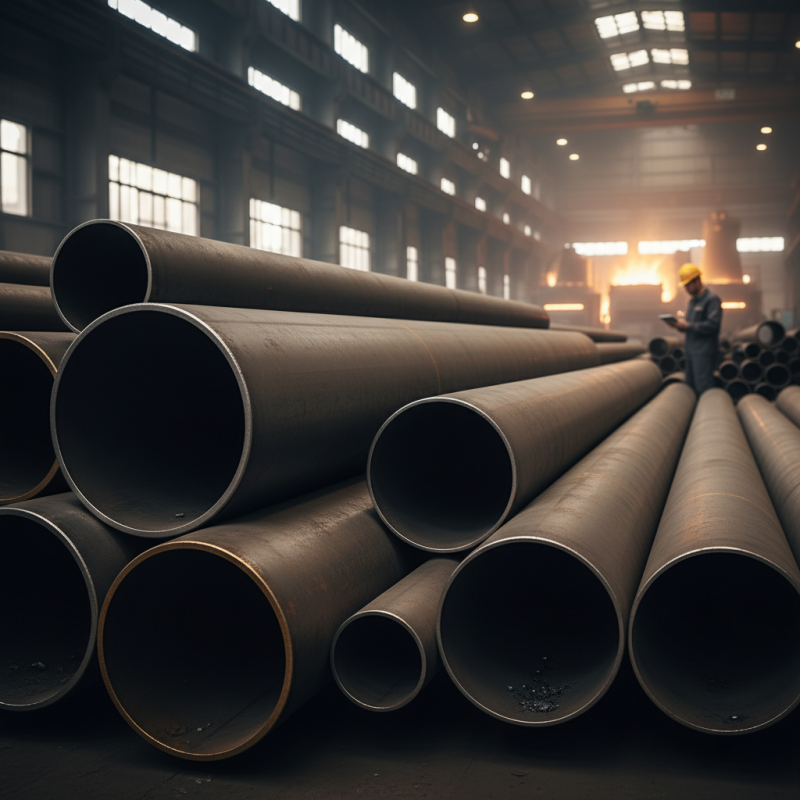
Seamless steel pipe is a type of steel pipe that lacks seams or welds. This construction method gives it a unique set of characteristics. It is produced by heating a solid round steel billet and then piercing it to create a hollow tube. The absence of welds makes it stronger and more durable compared to welded pipes. This feature allows seamless pipes to withstand high pressure and temperature variations, making them suitable for diverse applications.
In industries such as oil and gas, seamless steel pipes are essential. They are used in drilling, transporting hydrocarbons, and in structural applications. The ability to handle demanding environments is critical. Engineers often prefer seamless pipes for projects requiring reliability and safety. However, seamless pipes can be more expensive compared to welded alternatives. This cost can deter some businesses from choosing them, even if they offer better performance in some scenarios.
Quality control is also a vital aspect of seamless pipe production. Not all manufacturing processes meet the same standards. It is crucial for suppliers to maintain consistency in their products. Buyers must research suppliers carefully to ensure they receive reliable pipes. While seamless pipes have advantages, potential pitfalls exist in quality and cost factors that need careful consideration.
Manufacturing Process of Seamless Steel Pipe
The manufacturing process of seamless steel pipes begins with a solid round steel billet. This billet undergoes heating, often to extremely high temperatures. Once heated, the billet is pierced to create a hollow pipe. This initial step is crucial; if not executed precisely, defects can occur.
After piercing, the hollow pipe is elongated through a series of rollers. This elongation process helps determine the final diameter and thickness of the pipe. Maintaining consistent thickness is essential for quality. Any inconsistencies can lead to weak areas in the final product.
Heat treatment is often applied to enhance strength and durability. However, not all manufacturing processes achieve the desired mechanical properties. Some pipes may require additional testing for pressure tolerance. These steps illustrate the complexities of producing seamless steel pipes, showcasing both the meticulous nature of the industry and the challenges faced during production.
Common Applications of Seamless Steel Pipe in Various Industries
Seamless steel pipes are essential in many industries due to their strength and reliability. These pipes are produced without joints, which makes them ideal for high-pressure applications. In the oil and gas sector, seamless pipes transport fluids safely. Their ability to withstand extreme conditions ensures the integrity of critical infrastructure.
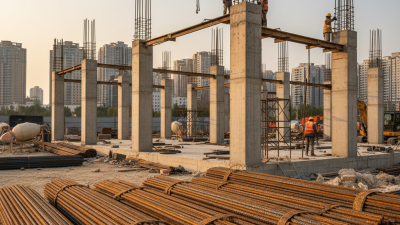
In construction, seamless steel pipes serve various purposes. They are often used in scaffolding and framing. The durability of these pipes provides support in building structures. However, the manufacturing process can be complex, raising questions about quality control. Ensuring every pipe meets industry standards is crucial to avoid failures.
Additionally, seamless pipes play a significant role in the automotive industry. They are utilized in the production of exhaust systems and structural components. Although effective, the dependence on these pipes can lead to supply chain concerns. Reliable sourcing is essential for maintaining production timelines in manufacturing.
Advantages of Using Seamless Steel Pipe Over Welded Alternatives
Seamless steel pipe has gained popularity in various industries due to its numerous advantages over welded alternatives. One key benefit is its superior strength. Without joints, seamless pipes can endure high pressure and temperature, making them ideal for oil and gas applications. Their uniform structure also reduces the risk of leaks, which is critical in hazardous environments.
Another significant advantage is reliability. Seamless pipes exhibit consistent quality throughout their length. This uniformity minimizes weaknesses, providing enhanced durability. Industries often face challenges with welded joints that may fail under stress or corrosion. Seamless pipes address these concerns, providing a reliable solution for critical systems and structures.
Moreover, seamless steel pipes are easier to install in tight spaces. Their lack of welds allows for smooth connections and reduced friction. This feature accelerates installation and maintenance processes, saving time and resources. While seamless pipes can be more expensive upfront, their long-term benefits often outweigh initial costs. However, it is essential to evaluate individual project needs and assess whether seamless or welded pipes are most suitable.
Seamless Steel Pipe vs Welded Steel Pipe: A Comparison of Advantages
This chart illustrates the advantages of seamless steel pipes compared to welded alternatives based on various factors such as strength, durability, corrosion resistance, cost-effectiveness, and applications. As shown, seamless pipes generally outperform welded pipes in structural integrity and resistance to external factors, making them a preferred choice in critical industry applications.
Standards and Specifications for Seamless Steel Pipe in Industry
Seamless steel pipes are vital in various industries. They are defined by their lack of seam or weld, resulting in a stronger product. Different grades and specifications govern their production. The most common standards include ASTM, API, and ISO. These standards ensure that the pipes meet rigorous safety and quality requirements.
ASTM A106 is widely used for high-temperature applications. It ensures ductility and toughness. API 5L specification is essential for pipelines transporting oil and gas. It addresses issues like corrosion resistance and mechanical properties. In addition, ISO 3183 is another critical standard, focusing on the pipeline's structural integrity.
Despite the stringent standards, issues can still arise. For instance, variations in manufacturing processes can lead to inconsistencies in quality. Some seamless pipes may not meet the intended specifications. Regular inspection and testing are necessary to mitigate these risks. Adherence to standards is crucial for reliability in real-world applications.