What is Slip Resistance and Why is it Important for Safety?
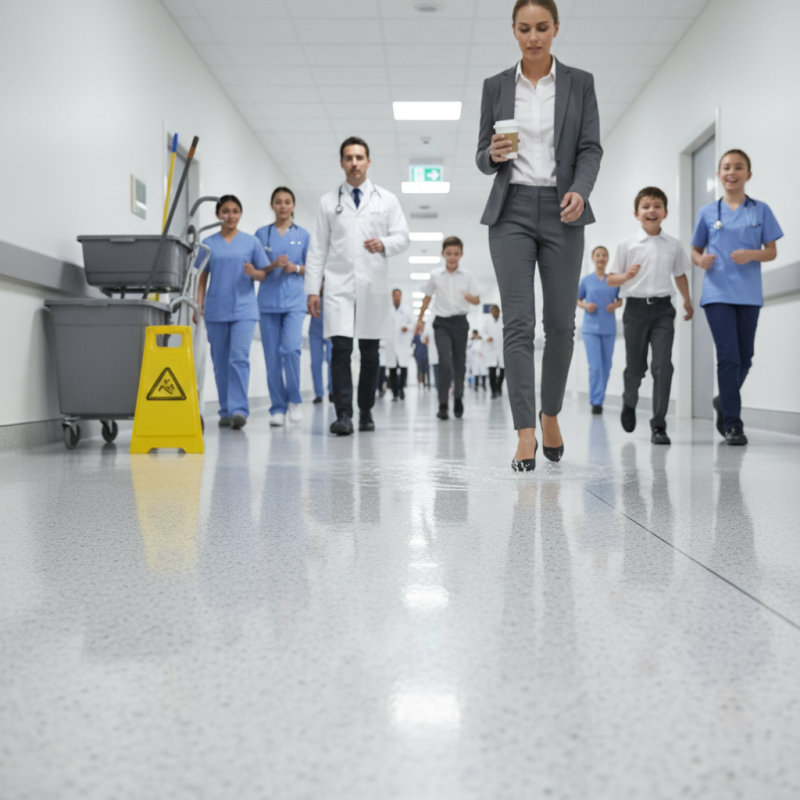
Slip resistance is a crucial aspect of safety in various environments. It refers to the ability of a surface to prevent slipping under wet or dry conditions. Ensuring proper slip resistance can greatly reduce the risk of accidents, particularly in high-traffic areas like hospitals, schools, and retail spaces.
When surfaces are not designed with slip resistance in mind, the potential for falls increases significantly. Think about a wet floor in a busy grocery store. Customers hurry, unaware of the slippery danger beneath their feet. This is where slip resistance becomes vital. It is not just about aesthetics or cost; it directly impacts people’s safety.
However, achieving the right slip resistance can be challenging. Different materials and finishes offer varying levels of grip. A surface that feels safe during dry conditions may become hazardous when wet. Hence, it is essential to evaluate slip resistance thoroughly. Striking a balance between design and functionality requires careful thought and planning. Recognizing the importance of slip resistance can drive better safety standards for everyone.
What is Slip Resistance?
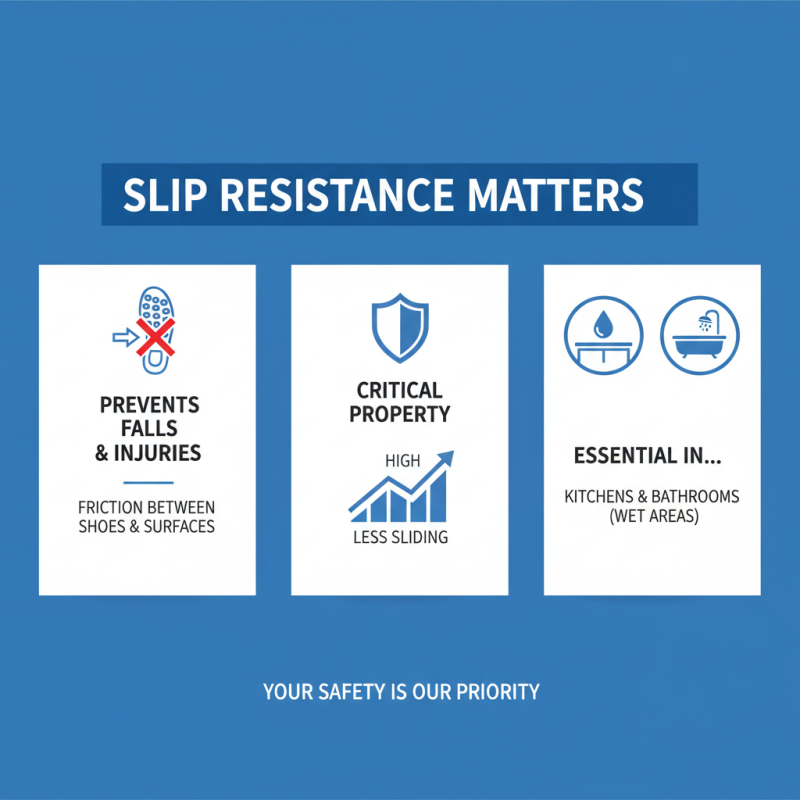
Slip resistance is a critical property of surfaces that determines how easily an object can slide over them. It is primarily based on the friction between shoes and surfaces. High slip resistance prevents falls and injuries. This is especially vital in environments where spills are common, like kitchens and bathrooms.
We often underestimate slip resistance in everyday life. A simple floor might seem safe until it becomes wet. Imagine walking on a smooth tile floor after a rain. The risk of slipping increases dramatically. Test results often reveal surprising outcomes. Some materials that appear non-slippery can actually be quite dangerous when damp.
Designing safe spaces requires careful consideration of slip resistance. Many people overlook this when choosing flooring materials. It’s important to assess surfaces regularly. What might be safe today could change with wear or environmental conditions. Reflection on slip resistance can lead to safer choices and better awareness in our daily environments.
Factors Influencing Slip Resistance
Slip resistance is a critical factor in ensuring safety across various environments. Several key elements influence slip resistance. For instance, surface texture is crucial. Rough surfaces generally offer better grip than smooth ones. According to the National Floor Safety Institute, surfaces with a coefficient of friction below 0.5 are deemed hazardous in many situations.
Another important factor is environmental conditions. Wet or oily surfaces can dramatically reduce slip resistance. A report by the Occupational Safety and Health Administration indicates that approximately 20% of workplace injuries stem from slips, trips, and falls. Recognizing this, facility managers often overlook the significance of regular maintenance. Dirt and substances can degrade surface performance over time.
Material composition also plays a role. Some materials, such as rubber, inherently provide better traction. However, not all environments can accommodate every material. In certain settings, aesthetic choices may clash with safety needs. Balancing design and safety can be challenging. Regular testing and assessment of slip resistance are necessary, yet frequently ignored. These oversights can lead to serious injuries in high-traffic areas.
Importance of Slip Resistance in Daily Environments
Slip resistance is a crucial factor in our daily environments. It directly impacts our safety at home, work, or public spaces. Floors can become slippery due to water, oil, or other substances. In kitchens, for example, spilled water can create a dangerous situation. Ensuring slip-resistant surfaces can help prevent accidents.
When selecting materials for flooring, consider their slip resistance ratings. Higher ratings mean better traction. This is especially important in areas prone to moisture, like bathrooms or restaurants. Textured surfaces can significantly reduce slip risks. For outdoor environments, options like rubber mats or textured tiles work well.
**Tips:** Always keep floors dry. Clean spills immediately. Use mats in entryways to trap moisture. Educate family and coworkers about slip hazards. Regular maintenance on flooring can improve safety. Stay aware of changing conditions, and don’t overlook wear and tear on surfaces. Little details matter in keeping our environments safe.
Measuring and Testing Slip Resistance Standards
Slip resistance is a critical factor in ensuring safety across various surfaces. Its measurement relies on specific standards and testing methods. The ASTM (American Society for Testing and Materials) provides guidelines for assessing slip resistance. One common method is the Pendulum Test. This measures the dynamic coefficient of friction (DFC) of a surface when wet. A DFC of 0.6 is often cited as a minimum for safe walking conditions.
Testing slip resistance isn’t straightforward. Environmental factors, wear, and contamination can affect results. A 2019 report indicated that nearly 30% of slip-related accidents occurred on surfaces rated as compliant. This highlights the need for ongoing evaluations and maintenance of floors. Organizations should periodically retest their flooring materials to ensure they meet safety standards.
Moreover, different industries have varying requirements. For instance, kitchens demand higher slip resistance due to spills. A hospital floor may require less resistance if it frequently deals with wheelchairs. Each environment calls for tailored approaches. Regularly revisiting slip resistance metrics ensures that safety is prioritized, yet many overlook these crucial tests.
Enhancing Slip Resistance for Safety Improvements
Slip resistance is a critical aspect of safety in various environments. Enhancing slip resistance can significantly reduce accidents. Slippery surfaces often lead to falls, causing serious injuries. Many places, like restaurants and hospitals, struggle with this issue. Simple changes can make a big difference.
Using textured flooring materials is one effective approach. These surfaces can provide better traction. For example, non-slip tiles or mats can help prevent slips in wet areas. Regular maintenance is essential too. Clean spills immediately, and inspect surfaces regularly. Neglecting this can increase the risk of accidents.
Training staff on safety protocols is also important. They need to understand how to maintain slip-resistant surfaces. Sometimes, people overlook the significance of routine checks. Engaging employees in discussions about safety can lead to improvements. Reflecting on current practices can help identify areas for enhancement. Small actions can lead to a safer environment for everyone.