What is a Steel Bar and Its Common Uses in Construction?
Steel Bar is a fundamental component in the construction industry. It provides strength and support to various structures. From bridges to residential buildings, it plays a critical role.
Often made of high-grade steel, Steel Bars come in different shapes and sizes. They are crucial for reinforcing concrete. This ensures the longevity and durability of structures. However, the quality of the Steel Bar can vary. It is essential to choose the right type for each specific project.
When used correctly, Steel Bars can prevent catastrophic failures. Yet, misuse may lead to serious consequences. It’s vital to adhere to safety standards and regulations. The importance of this material cannot be overstated, as it is central to modern construction efforts. Each project requires careful consideration of how Steel Bars are integrated into the design.
Definition and Characteristics of Steel Bars in Construction
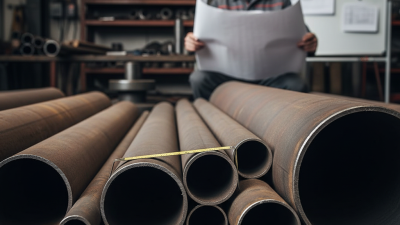
Steel bars are essential components in construction. They are primarily made from carbon steel. This material provides strength and durability. Steel bars, often referred to as rebar, are used for reinforcing concrete structures. They enhance stability and prevent cracking under tension or compression.
The characteristics of steel bars include their tensile strength and flexibility. Steel can resist deformation under weight. It can be shaped to meet various construction needs. Different grades of steel bars exist, each with distinct properties. For instance, some bars are better suited for seismic zones. Others excel in high temperature conditions. However, choosing the right type can be challenging. Often, builders must weigh cost against performance.
Despite their advantages, using steel bars isn't without difficulties. Corrosion is a major concern, especially in harsh environments. This can lead to structural failures over time. Additionally, improper installation can compromise the benefits. Awareness of these pitfalls is crucial in construction. Balancing cost, quality, and application must always be a priority.
Types of Steel Bars Used in Construction Projects
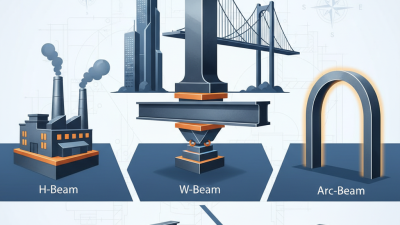
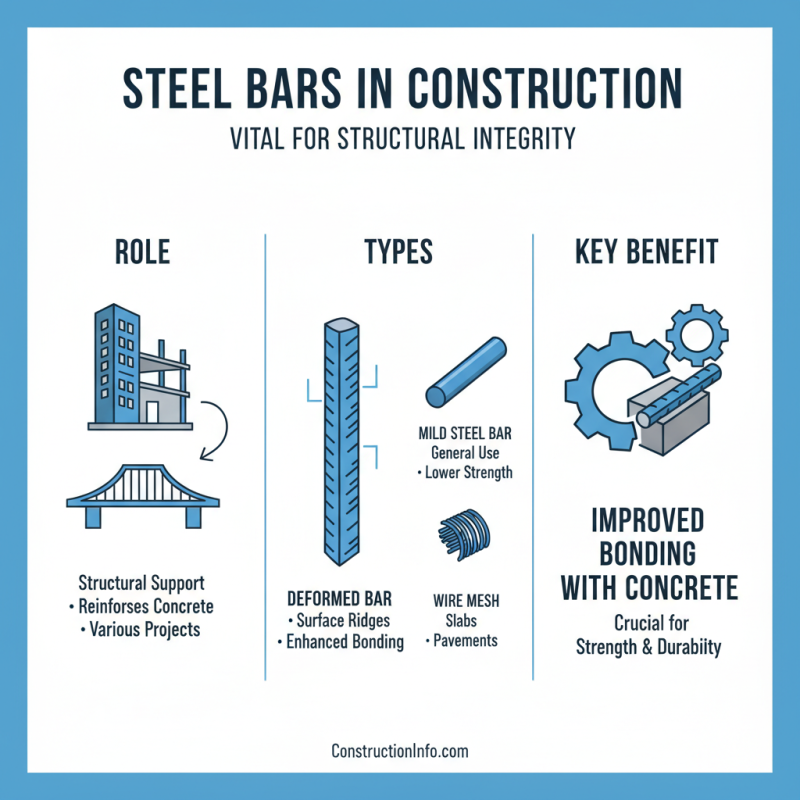
When it comes to construction, steel bars play a vital role. There are different types of steel bars used in various projects. Each type serves a unique purpose. The most common type is the deformed bar. Its surface has ridges, providing better bonding with concrete. This is crucial for structural integrity.
Another type is the mild steel bar. It is softer and more ductile. While not as strong as deformed bars, it is essential in sections that require bending. In some cases, using mild steel may lead to unexpected outcomes. Therefore, engineers should be cautious and ensure the right choice is made.
Galvanized steel bars are also prevalent. They are coated to prevent rust. This extends their life in harsh conditions. However, sometimes the coating may not be uniform, leading to potential issues. Understanding the types and their applications is key for successful construction. Each choice carries its own challenges and considerations. Choosing the appropriate steel bar is essential for the durability of any construction project.
Common Applications of Steel Bars in Structural Engineering
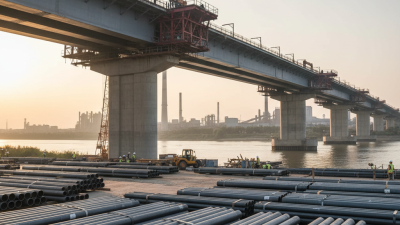
Steel bars are a fundamental component in structural engineering. Their strength and durability make them ideal for various applications. According to the American Institute of Steel Construction, steel bars are extensively used in reinforcing concrete structures. This usage can enhance load-bearing capacity and increase longevity.
One of the most common applications of steel bars is in concrete reinforcement. They provide tensile strength to concrete, which is naturally strong in compression but weak in tension. In many commercial projects, you will find these bars used in beams, columns, and slabs. The global market for steel reinforcing bars was valued at approximately $54 billion in 2020, and it is expected to grow steadily.
However, the construction industry faces challenges. Issues like corrosion can weaken steel bars over time. Therefore, it is crucial to consider protective measures. Innovations, such as epoxy coating or galvanization, are being researched to mitigate such risks. While steel bars remain vital, the industry must adapt to ensure longevity and effective use in diverse environmental conditions.
Common Applications of Steel Bars in Structural Engineering
Advantages of Using Steel Bars in Building Construction
Steel bars play a vital role in construction. They are known for their strength and durability. Using steel bars can lead to numerous advantages. One key benefit is their ability to withstand heavy loads. This makes them ideal for structures like bridges and high-rise buildings.
Another advantage is their resistance to environmental hazards. Steel bars resist corrosion and extreme weather. This longevity means fewer repairs are needed over time. Cost savings can be significant in the long run. However, improper installation can lead to issues. Workers must ensure proper placement to maintain structural integrity.
Moreover, steel bars are recyclable, which is an eco-friendly choice. This aligns well with sustainable construction practices. Still, the manufacturing process can be energy-intensive. Balancing these factors is crucial. While steel offers great benefits, it’s important to weigh the environmental impact. Selecting the right materials enhances both performance and sustainability in building projects.
Maintenance and Durability Factors for Steel Bars in Structures
The maintenance and durability of steel bars in construction are critical. Factors such as corrosion and environmental impact can significantly affect their lifespan. A study by the American Society of Civil Engineers indicates that corrosion can reduce a steel bar's effectiveness by up to 40%. This highlights the importance of protective measures.
Proper maintenance practices can enhance the durability of steel bars. Regular inspections are essential to identify early signs of wear or damage. Using protective coatings can also prevent rust formation. Interestingly, a report from the International Journal of Structural Engineering reveals that structures with adequately maintained steel bars can last 20-30 years longer than those without. This is vital for both safety and cost-efficiency.
However, challenges remain. Some construction sites overlook routine maintenance checks. Environmental factors also pose challenges. High humidity and salt exposure can accelerate corrosion. Designing structures with these factors in mind can lead to better long-term outcomes. A focus on sustainability in maintenance will ultimately contribute to the resilience of steel bars in construction.
What is a Steel Bar and Its Common Uses in Construction?
| Type of Steel Bar |
Common Uses |
Maintenance Tips |
Durability Factors |
| Reinforcing Bars (Rebar) |
Concrete reinforcement in buildings and bridges |
Regular inspection and paint for rust prevention |
Corrosion resistance and load-bearing capacity |
| Structural Steel Bars |
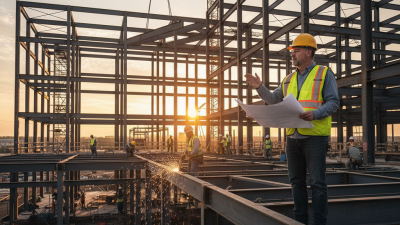
Beams, columns, and frame structures |
Check for weld integrity and structural stability |
Tensile strength and environmental resistance |
| Steel Bars for Fencing |
Boundary fences and gates |
Paint and check for physical damage regularly |
Weather resistance and impact strength |
| Flat Steel Bars |
Brackets and supports in construction |
Inspection for bending and structural support |
Bending resistance and surface treatment |