Top 10 Erw Pipe Manufacturers in China for Global Buyers?
The global demand for Erw pipe is on the rise, reflecting its crucial role in various industries. According to recent industry reports, the Erw pipe market is expected to grow significantly, driven by increased infrastructure development and energy projects. In 2022, the market was valued at approximately $19 billion, with projections indicating a compound annual growth rate (CAGR) of 5% through 2028.
China stands as a leading manufacturer, producing an extensive range of Erw pipes used in construction, oil transportation, and water distribution. In fact, Chinese manufacturers account for around 30% of the global Erw pipe supply. This competitiveness stems from advanced production techniques and stringent quality controls that ensure product reliability.
However, buyers should remain cautious. Quality can vary widely among manufacturers, requiring thorough research before commitments. It's essential to assess each company's production capabilities and certifications. With the right information, global buyers can navigate this complex landscape, making informed decisions that align with their needs for high-quality Erw pipes.
Overview of ERW Pipe Manufacturing in China: Market Trends and Insights
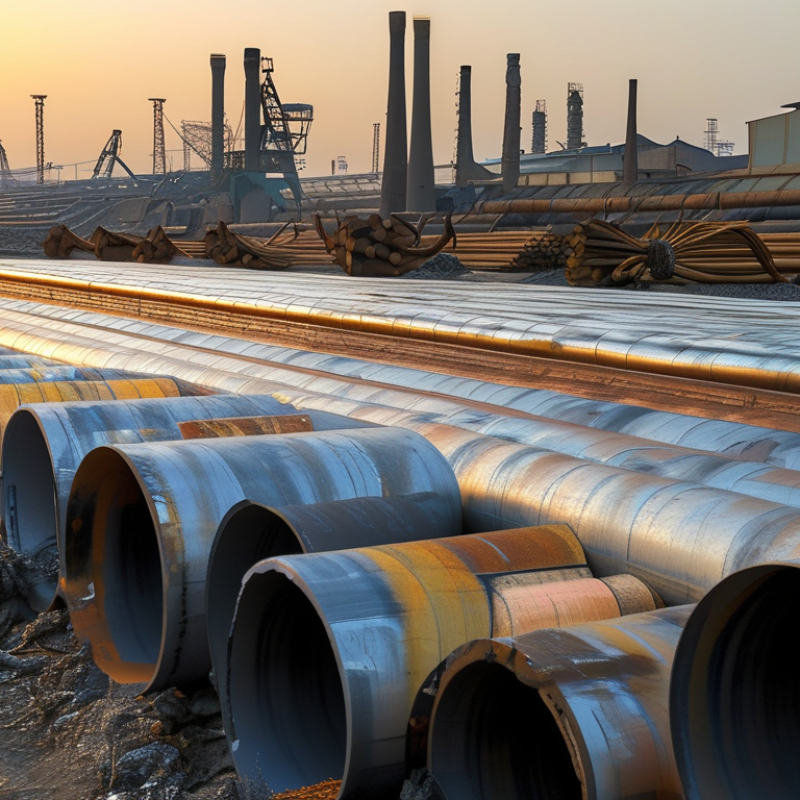
China has become a dominant player in the ERW pipe manufacturing market. The demand for ERW pipes has risen significantly due to infrastructure development and industrial growth. The production techniques have advanced, allowing for better quality and efficiency. However, challenges remain, such as environmental concerns and competition.
Many manufacturers focus on innovation. They invest in technology to improve product durability and cost-effectiveness. Yet, the market is also crowded, leading to price wars that can affect quality. Quality assurance processes are vital to maintain standards. Some manufacturers cut corners, which can result in subpar products. Such practices can damage reputations in the export market.
Regulatory compliance is critical for manufacturers. Adhering to safety and environmental regulations can be a complex task. Ensuring sustainable practices is increasingly important. The industry must navigate changing regulations and market demands. This creates both opportunities and challenges for growth.
Key Players in China's ERW Pipe Industry: A Look at the Top Manufacturers
China is a leader in the production of
Electric Resistance Welded (ERW) pipes, crucial for
various industries. Recent industry reports indicate that China's ERW pipe production capacity reached
approximately 35 million tons in 2022. This
remarkable output is due to advanced manufacturing technologies and a robust supply chain. The growth
rate for this sector is projected to remain steady at around 5%
annually over the next few years, showcasing its resilience in a competitive market.
Notably, the ERW pipe industry in China focuses on quality standards
and international certifications. Many manufacturers are optimizing their processes to align with global
expectations. However, not all companies achieve the required certifications, which raises concerns about
reliability and product quality. Reports suggest that around 20%
of manufacturers struggle with compliance. This highlights the need for global buyers to conduct thorough
research before procurement.
Furthermore, sustainability is becoming a key concern in the industry. Some manufacturers are investing
in eco-friendly practices. Still, the majority are yet to adopt these changes widely,
indicating a gap. Buyers must remain vigilant about sourcing from those adopting sustainable methods. Addressing
these gaps could significantly enhance the industry's reputation both domestically and internationally.
Technological Advancements in ERW Pipe Production: Impact on Quality and Cost
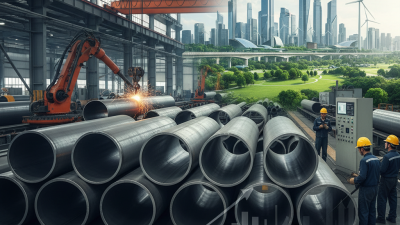
Advanced technologies in ERW (Electric Resistance Welded) pipe production have significantly altered the landscape of the industry. These innovations target both quality enhancement and cost reduction. Automated welding processes and sophisticated quality control systems ensure that each pipe meets stringent specifications. Such technologies can produce pipes with higher strength and uniform wall thickness, leading to better performance in various applications.
However, these advancements come with challenges. For instance, integrating new technologies often requires substantial investment. Not all manufacturers can keep up with such rapid advancements. This gap can lead to inconsistencies in product offerings within the market. Furthermore, the specialized training needed for the workforce to operate these advanced machines can be difficult to implement. Many companies struggle to balance cutting-edge production with maintaining lower operational costs.
Yet, the potential for improvement is vast. Adapting modern techniques can elevate an ERW pipe’s durability and reduce long-term maintenance costs. Industry players must prioritize continuous learning and adaptability. They can embrace these changes while reflecting on operational efficiencies. This journey of embracing technological advancements is ongoing, requiring commitment and foresight.
Top 10 Erw Pipe Manufacturers in China for Global Buyers
| Manufacturer |
Annual Production Capacity (tons) |
Technological Advancement |
Quality Compliance Standards |
Cost Efficiency Index |
| Manufacturer A |
500,000 |
Automated Welding Technology |
ISO 9001, API 5L |
0.85 |
| Manufacturer B |
450,000 |
Advanced Heat Treatment |
ISO 9001, CE |
0.80 |
| Manufacturer C |
600,000 |
Next-Gen Coating Technology |
ISO 14001, OHSAS 18001 |
0.75 |
| Manufacturer D |
550,000 |
Precision Forming |
API 5CT, ISO 9001 |
0.70 |
| Manufacturer E |
400,000 |
Smart Manufacturing Systems |
ISO 9001, API 5L |
0.88 |
| Manufacturer F |
700,000 |
Laser Cutting Techniques |
ISO 45001, CE |
0.72 |
| Manufacturer G |
650,000 |
Fine Tolerance Processing |
ISO 9001, API 5CT |
0.76 |
| Manufacturer H |
800,000 |
High-Speed Production Lines |
ISO 14001, ISO 9001 |
0.65 |
| Manufacturer I |
750,000 |
Robotics-Assisted Fabrication |
API 5L, ISO 9001 |
0.78 |
| Manufacturer J |
500,000 |
Environmentally-Friendly Processes |
ISO 9001, CE |
0.82 |
Market Demand for ERW Pipes: Understanding Global Buyer Preferences
The market for ERW pipes is evolving. Global buyers are increasingly focusing on quality, reliability, and sustainability. Many manufacturers are adapting their production methods to meet these demands. Buyers now prefer suppliers who demonstrate environmental consciousness. This trend emphasizes the balance between production efficiency and ecological responsibility.
Moreover, regional differences influence buyer preferences. In North America, for example, there’s a strong push for compliance with safety standards. In contrast, European buyers often prioritize advanced technologies. They look for manufacturers who can offer innovative solutions. Product durability is another critical factor, necessitating a deeper understanding of materials and design.
While many manufacturers claim to meet these needs, not all can deliver consistently. Buyers frequently encounter discrepancies between promises and actual product quality. This uncertainty can impact project timelines and budgets. Continuous improvement is essential for manufacturers to gain buyers’ trust. Many still need to refine their processes to truly align with market demands.
Challenges Faced by ERW Pipe Manufacturers in China: Competition and Regulations
The ERW pipe manufacturing sector in China faces significant challenges. Intense competition among local manufacturers drives prices down. This can compromise quality and customer trust. Many manufacturers prioritize low-cost production over ensuring product reliability. As a result, inconsistencies in pipe strength or finish can occur, leading to potential failures in practical applications.
Regulatory compliance adds another layer of complexity. The stringent regulations governing manufacturing processes and safety standards require constant vigilance. Manufacturers must invest time and resources to understand these regulations fully. Non-compliance could result in penalties or shutdowns. Moreover, the evolving landscape of environmental regulations places additional pressure on manufacturers. Adaptation is crucial but often slow.
Market dynamics also introduce unpredictability. Trade tensions can disrupt supply chains. Increased tariffs may affect costs, making it harder to maintain competitive pricing. Manufacturers may find it challenging to balance margins while adhering to quality and safety standards. Continuous market research is essential to stay ahead but often overlooks due to the immediate pressures of production.