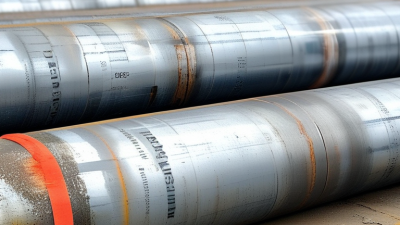
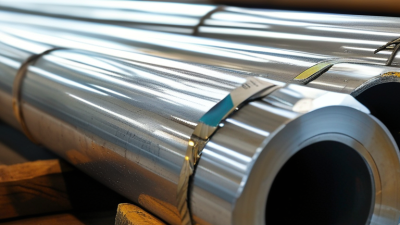
Who Are the Top Stainless Steel Pipe Manufacturers in China?
Choosing a reliable supplier is not just a matter of comparing prices. In China’s extensive stainless steel industry, manufacturers differ in production capacity, material traceability, quality controls, and export experience. A polished product photo cannot show whether a pipe’s wall thickness is consistent or its weld is sound. Buyers need evidence they can check.
For this guide, stainless steel pipe specialist Lin Wei offers this practical principle: “A dependable pipe is proven by its material records, measured dimensions, and performance—not by its catalogue alone.” That is a useful starting point, though no single checklist fits every project. A food-processing line, for example, may require different surface-finish controls from a chemical plant. Details matter.
The manufacturers covered here are considered through concrete signals: available grades, dimensional tolerances, inspection practices, mill test documentation, and delivery capability. Where possible, buyers should confirm claims with current certificates, sample inspections, and direct questions about production steps. Ask how the company verifies alloy composition. Ask how it handles nonconforming batches. Small checks can prevent costly delays.
This comparison is a guide, not a guarantee. Supplier information changes, and a strong reputation does not replace project-specific verification. Some details may be difficult to confirm from public sources alone. That deserves a second look. The goal is to help readers identify credible Chinese manufacturers and ask better questions before requesting a quotation.
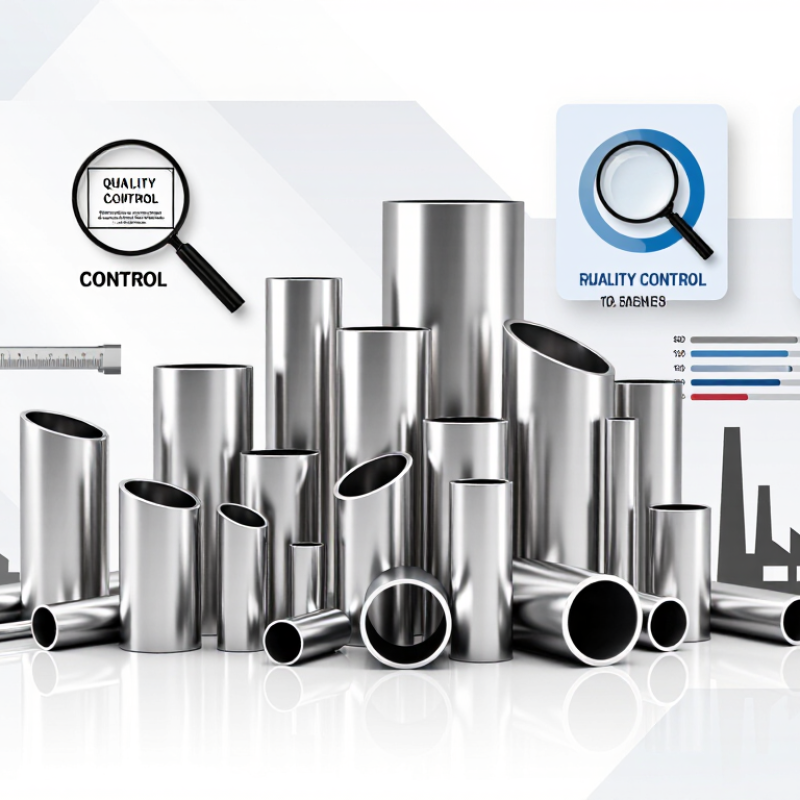
How China’s Stainless Steel Pipe Manufacturing Industry Is Organized
China’s stainless-steel pipe industry is organized in layers, not around a single type of manufacturer. Upstream, stainless-steel producers supply slabs, billets, and strip. Pipe mills then form these materials into welded or seamless products. Distributors, processors, and testing laboratories connect mills with construction, energy, food-processing, and equipment buyers. The scale is substantial. World Stainless’s 2023 production statistics report 36.7 million tonnes of stainless crude steel produced in China, out of 58.4 million tonnes worldwide. That is about 63% of global output. It measures crude steel, however, not finished pipe capacity.
Within this system, manufacturers differ in their equipment, product range, and quality controls. A welded-pipe plant may turn strip into round sections on a continuous line, while seamless production requires billet heating and piercing. Buyers should check dimensions, material certificates, surface condition, and inspection records—not just a supplier’s stated capacity. Standards such as ASTM A312/A312M and the relevant Chinese GB/T specifications help define requirements, but contract details still matter. The structure is efficient, yet uneven: large mills and smaller specialist workshops can sit in the same supply chain. That makes supplier comparisons harder than a national production figure suggests.
Criteria for Identifying Leading Chinese Pipe Manufacturers
Choosing a leading stainless steel pipe manufacturer requires more than comparing catalog prices. Start with documented experience in the pipe type, dimensions, and service conditions your project requires. Ask how the manufacturer controls chemistry, forming, welding, heat treatment, and final inspection. Specific answers matter. A polished brochure does not.
Review material test reports and traceability records for representative batches, not just sample certificates. Check whether heat numbers remain linked to bundles, labels, and shipping documents. That small detail can save hours when a site engineer investigates a mismatch. Look for recognized quality systems, but verify their scope and validity with the issuer. Certificates alone are insufficient.
Production capability should match the order, from wall-thickness tolerance to surface finish and cut length. Request inspection plans, dimensional records, and clear procedures for nonconforming products. A factory visit can reveal storage conditions, calibration habits, and whether staff can explain their checks. Also assess delivery performance, export packing, and responsiveness when specifications change. I would still treat any single scorecard cautiously; supplier performance can vary between product lines and production periods.
Profiles of Notable Stainless Steel Pipe Manufacturers in China
China’s stainless steel pipe sector includes large integrated mills and smaller specialist producers. Integrated manufacturers may handle melting, forming, heat treatment, and testing within one supply chain. Their product ranges can include welded and seamless pipes for construction, food processing, and industrial equipment. Specialist workshops often focus on custom diameters, wall thicknesses, or shorter production runs. Capabilities vary, even among suppliers serving similar markets.
A useful manufacturer profile should describe more than product categories. Check whether the supplier provides material certificates, dimensional inspection records, and traceable batch numbers. Ask how it controls weld quality and verifies corrosion resistance for the intended environment. Factory audits and sample testing can reveal practical details, such as surface finish consistency or packaging quality. A polished catalogue is not proof. Supplier information can also be incomplete, so verify key claims directly.
Tips: Send a drawing, grade, dimensions, and service conditions when requesting a quotation. Compare inspection scope, lead time, and tolerances—not price alone. I would still request a representative sample; specifications do not always capture production variation.
How Manufacturers Differ in Products, Standards, and Capabilities
Chinese stainless steel pipe manufacturers differ less by catalog size than by process control. The World Stainless Association reported 36.7 million tonnes of Chinese crude stainless steel production in 2023, out of 58.4 million tonnes worldwide. This scale supports a broad supply base, but it does not prove that every mill can make tight-tolerance pipe. Some specialize in welded pipe for fluid service; others offer seamless products, larger diameters, or custom wall thicknesses. Details matter. Ask how heat treatment, weld inspection, and material traceability are handled on the actual production line.
Standards also shape what buyers receive. ASTM A312/A312M covers seamless, welded, and heavily cold-worked austenitic stainless steel pipe, while ISO 1127 specifies dimensions and tolerances for stainless tubes. China’s GB/T 12771 addresses welded stainless steel pipes for fluid transport. A capable supplier should identify the applicable grade and standard, then provide matching test records—not just a certificate with a familiar logo. Check whether inspection includes hydrostatic or nondestructive testing, and confirm the scope before comparing quotations. A polished certificate is not the whole story. Even experienced buyers can overlook differences in test coverage or delivery condition; a clear purchase specification helps expose them.
Stainless Steel Pipe Grades: Chromium Content Ranges
A material-grade comparison relevant to product selection—not a ranking of manufacturers. The ranges shown are chromium content by weight for common grades specified in ASTM A312/A312M.
Manufacturers may differ in the grades, dimensions, and standards they offer. Confirm the applicable specification and its current edition when comparing products.
Factors to Consider When Selecting a Chinese Pipe Supplier
China’s large steel base offers buyers many options, but output volume alone does not prove pipe quality. The International Stainless Steel Forum’s Stainless Steel in Figures 2024 reports 58.4 million tonnes of global stainless steel production in 2023, including about 36.7 million tonnes in China. The World Steel Association reported 1,005.1 million tonnes of Chinese crude steel production in 2024. These figures show industrial scale, not the consistency of any individual mill.
Scale is not proof.
When comparing suppliers, check that the offered grade, outside diameter, wall thickness, and tolerances match the actual service conditions. Ask for material test certificates tied to heat numbers, so a delivered pipe can be traced to its batch. For welded pipe, review weld inspection methods and sample records; for demanding service, consider independent inspection before shipment. A clear quality plan matters more than a polished brochure. Also confirm minimum order quantities, production lead times, packaging, and how the supplier handles nonconforming pieces. I would treat any scorecard as incomplete: documents cannot reveal every defect, and a factory visit or trial order may uncover practical gaps. Shorter lead times are useful, but not if inspection steps disappear under pressure.