Top Uses of Stainless Steel Pipe in Various Industries?
Stainless steel pipes are essential across various industries. Their durability and resistance to corrosion make them a popular choice. Many sectors utilize these pipes for different applications.
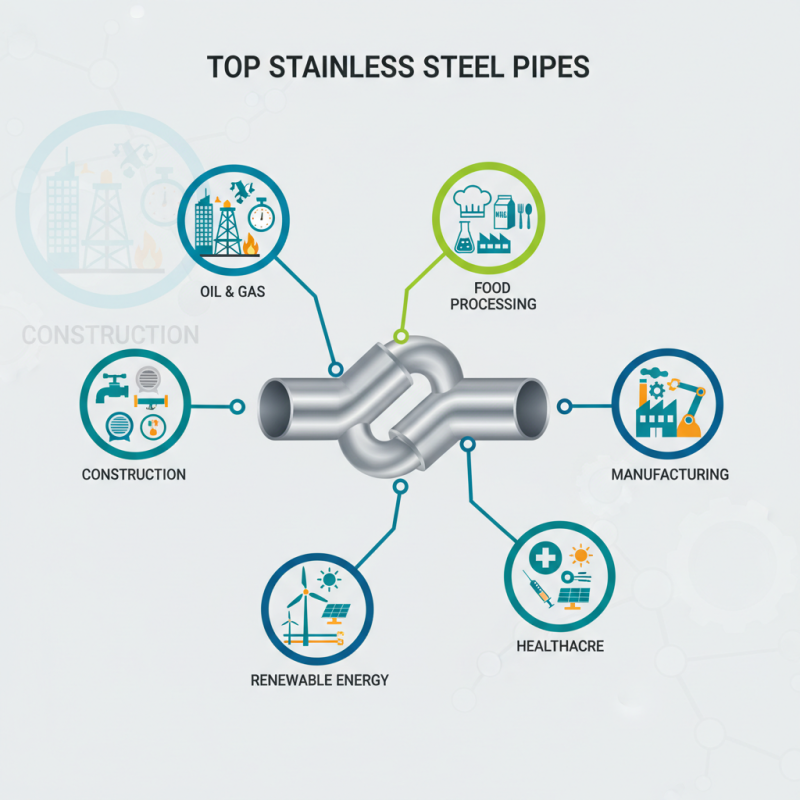
In the construction industry, stainless steel pipes provide strength and versatility. They are often used for plumbing, HVAC, and structural purposes. Industries like oil and gas also rely heavily on these pipes. They withstand harsh environments and high pressures, ensuring safety and reliability.
Food processing is another key area. Stainless steel’s hygienic properties make it ideal for transporting food and beverages. However, not all applications consider the right specifications. Poor choices can lead to failures. Therefore, understanding the requirements is crucial for maximizing the benefits of stainless steel pipes.
Properties of Stainless Steel That Make It Ideal for Pipe Applications
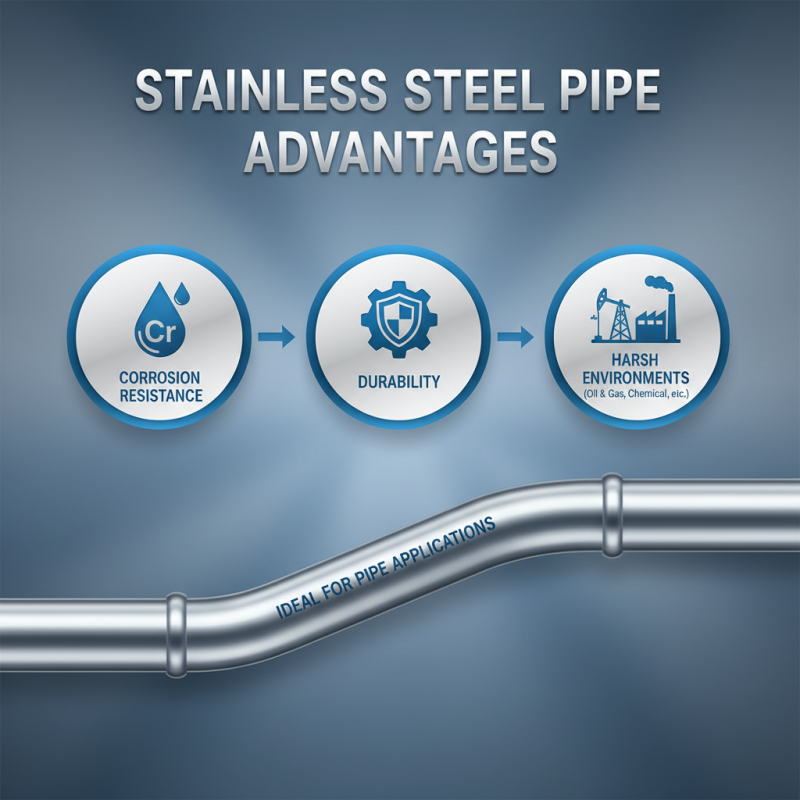
Stainless steel pipes are widely used across many industries. Their unique properties make them exceptional choices for various applications. Corrosion resistance is one of the primary advantages. This feature allows them to function in harsh environments without significant wear. Industries such as oil and gas often rely on this durability.
Another important property is high strength. Stainless steel can withstand high pressure and temperature. This strength is vital in sectors like construction and manufacturing. The ability to maintain structural integrity under stress is crucial. Additionally, stainless steel pipes are relatively lightweight, which eases transportation and installation.
Finally, the aesthetic appeal of stainless steel is noteworthy. Its sleek, shiny surface is attractive in design and architecture. However, costs can be a concern for some projects. Not every application can justify this investment. Industries must weigh the benefits against the expenses carefully. There’s certainly room for improvement in finding cost-effective alternatives while maintaining quality.
Common Industries Utilizing Stainless Steel Pipes
Stainless steel pipes are crucial in many industries today. Their resistance to corrosion and high durability makes them ideal for various applications. The construction sector extensively uses stainless steel pipes. According to a recent market research report, it accounts for nearly 30% of stainless steel pipe usage. These pipes support structural frameworks and plumbing systems.
The food and beverage industry also heavily relies on stainless steel pipes. They ensure hygiene and maintain product quality. These pipes can withstand high temperatures and pressures, critical for processing and transporting food items. A study noted that about 20% of stainless steel pipes used in the market cater to this industry.
Other sectors like pharmaceuticals and oil and gas utilize stainless steel pipes due to their strength and reliability. However, challenges exist. Some pipes may suffer from pitting corrosion, a concern in highly corrosive environments. Regular maintenance and careful material selection can mitigate this issue. As industries evolve, the demand for high-quality stainless steel pipes will continue to grow, pushing innovation further.
Applications of Stainless Steel Pipe in the Construction Industry
Stainless steel pipe is a key player in the construction industry. It's favored for its durability and resistance to corrosion. Builders often use it in structural frameworks. This includes beams and columns, providing robust support for buildings. All-weather performance is a top reason for its popularity.
Another notable application is in plumbing systems. Stainless steel pipes ensure safe water delivery. They are also used for drainage systems, preventing leaks. Their high strength allows installation in various environments. Some builders underestimate maintenance needs. Even stainless steel requires periodic checks. Ignoring this can lead to unexpected damages.
In energy systems, stainless steel pipes are vital. They transport gas and steam efficiently. But, while they are reliable, they can be costlier than alternatives. Some projects may overlook this aspect, leading to budget constraints. Recognizing these trade-offs is essential for successful project planning.
Top Uses of Stainless Steel Pipe in Various Industries
| Industry |
Application |
Pipe Diameter (inches) |
Pipe Length (feet) |
Material Grade |
| Construction |
Structural Support |
2 |
20 |
304 |
| Manufacturing |
Fluid Transport |
4 |
30 |
316 |
| Oil & Gas |
Pipeline Construction |
6 |
50 |
API 5L |
| Food Processing |
Sanitary Piping |
3 |
25 |
304L |
| Chemical Processing |
Corrosive Fluid Transfer |
2.5 |
40 |
2205 |
Role of Stainless Steel Pipes in Oil and Gas Sector
The oil and gas sector heavily relies on stainless steel pipes due to their durability and resistance to corrosion. These pipes are used extensively in various applications, including transportation, extraction, and refining. For instance, a report from the American Petroleum Institute highlighted that about 25% of piping systems in refineries utilize stainless steel. This metal's ability to withstand harsh environments greatly enhances the efficiency of operations.
Furthermore, stainless steel pipes can endure extreme pressures and temperatures, essential for oil and gas extraction. A study showed that 70% of offshore oil platforms equip their facilities with stainless steel due to its low maintenance costs. However, while these pipes are often seen as a long-term solution, their high initial costs can be a barrier. Companies must weigh the long-term benefits against short-term expenses.
Despite their advantages, potential failures in stainless steel piping systems can lead to significant issues. Common issues include weld failures and stress corrosion cracking. Regular inspections and maintenance can help mitigate these risks, but resource limitations often hinder comprehensive oversight. Industry leaders must continually explore new strategies to enhance the reliability and longevity of stainless steel in this vital sector.
Innovative Uses of Stainless Steel Pipes in Food and Beverage Industry
Stainless steel pipes have revolutionized the food and beverage industry. These pipes are preferred due to their resistance to corrosion and their ability to maintain hygiene. According to a report by Smithers, the global stainless steel pipe market in food processing is expected to reach $1.5 billion by 2025. This showcases its growing importance in ensuring food safety and quality.
In food processing, stainless steel pipes play a critical role. They are often used in transporting liquids, such as dairy products and juices. The smooth surface of stainless steel minimizes bacterial growth, vital in food safety. Furthermore, these pipes withstand high temperatures and pressures, making them ideal for pasteurization processes.
Tip: Regular maintenance of stainless steel pipes is crucial. Ensure they are cleaned without harsh chemicals to maintain their integrity. Avoid mixing different metal types in pipe systems, as this can lead to galvanic corrosion and deterioration.
Another innovative use is in brewing facilities. Stainless steel pipes ensure that fermentation processes occur without contamination. However, slight imperfections in welding can create weak points. Regular inspections are essential to avoid potential failures that could disrupt production.
Tip: Implement a routine check of your pipeline systems. It can save costs and prevent larger issues in production.