How to Use Deformed Steel Bars in Construction Projects?
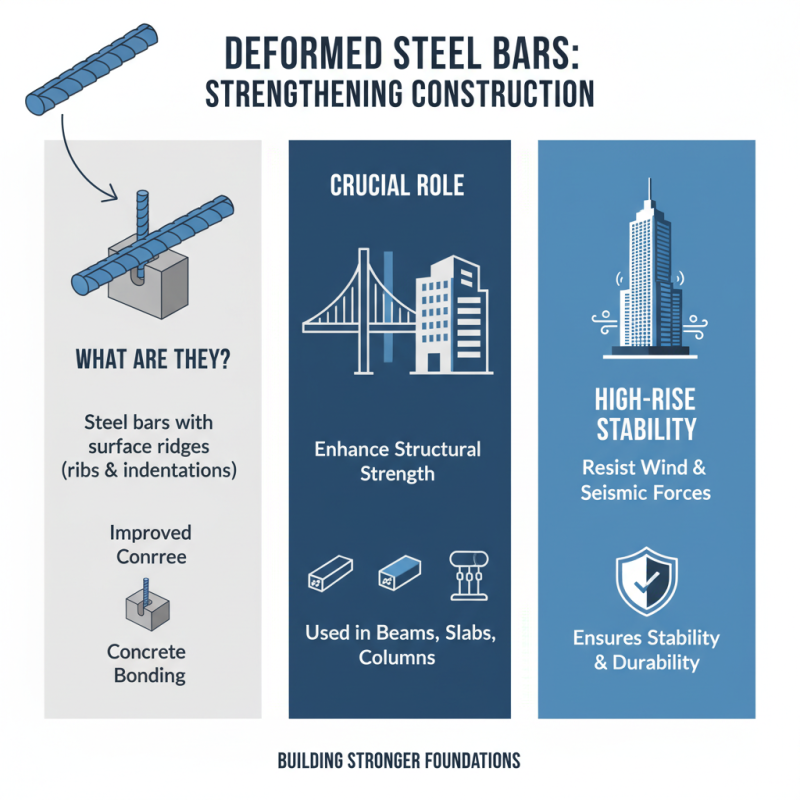
Deformed Steel Bars play a crucial role in modern construction. They are designed to enhance the tensile strength of concrete structures. These bars feature surface ridges that improve bonding with concrete, making them a preferred choice in many projects.
Using Deformed Steel Bars can be complex. The installation requires specific techniques to maximize their benefits. Many engineers overlook this, leading to weaker structures. It's vital to consider factors like bar spacing and anchorage lengths to ensure durability.
As we explore their applications, it's clear that attention to detail is paramount. Proper handling and placement can significantly impact a building's integrity. However, some may misuse these bars, resulting in potential risks. Reflection on these practices is essential for future improvements in construction safety.
Overview of Deformed Steel Bars in Construction
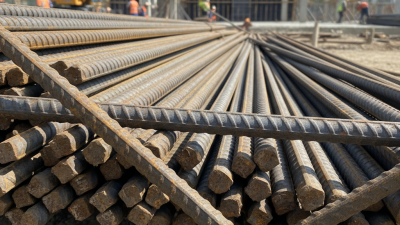
Deformed steel bars, commonly known as rebars, are vital in construction. They feature surface ridges, enhancing their bond with concrete. This makes them ideal for increasing concrete's tensile strength. In various structures, such as bridges and buildings, rebars are essential.
Using deformed steel bars has its challenges. The correct diameter and spacing must be calculated precisely. Miscalculating can lead to structural weaknesses or even failures. Not every project requires the same type or thickness of rebar. It’s crucial to understand the specific needs of each construction project.
Furthermore, management of deformed bars on-site can be a hassle. Keeping track of the quantity and quality is essential. Proper storage is necessary to prevent rust. Continuous inspection might be needed. These small details can significantly affect the project’s outcome and safety. Building with rebar is not just about strength; it’s also about precision.
Key Properties and Advantages of Deformed Steel Bars
Deformed steel bars, often referred to as rebar, play a crucial role in construction. Their unique surface patterns enhance bonding with concrete. This improves structural integrity. According to industry reports, using deformed bars can increase tensile strength by up to 20%. This makes them ideal for load-bearing applications.
These bars also resist corrosion effectively. They withstand environmental factors like humidity and chemicals. A study indicated that using deformed bars in coastal areas reduces maintenance costs by 30%. This is significant for long-term project budgets. Additionally, deformed bars are lighter than traditional reinforcing materials. This leads to lower transportation costs and easier handling on-site.
Tips: Always assess the local environment before choosing materials. Avoid using deformed bars in extreme conditions without proper treatment. Also, consider future maintenance when designing structures. It is essential to keep an eye on quality. Not all suppliers meet standard specifications. It’s wise to verify certifications. These steps can prevent unforeseen issues.
Comparison of Key Properties of Deformed Steel Bars
Best Practices for Sourcing and Selecting Deformed Steel Bars
When sourcing deformed steel bars for construction, quality is key. These bars should have ribbed surfaces to enhance bonding with concrete. Inspect the materials for consistency in dimensions. Each bar must comply with relevant standards. Seek suppliers who provide product certification documents. Transparency in sourcing is crucial.
Evaluate the supplier’s reputation before making a choice. Look for customer reviews and feedback. Talk to others in the industry. Sometimes, past experiences can reveal hidden flaws. Do not ignore red flags, like inconsistent pricing. This could indicate a compromise on quality. Evaluate sample bars from suppliers before bulk purchases.
While cost is an important factor, it should not be the only one. Potential delays due to subpar materials can outweigh any initial savings. Choose reliable suppliers who communicate well. Miscommunication can lead to ordering the wrong specifications. Reflection on past purchasing decisions can help avoid mistakes. Think critically about each option.
Installation Techniques for Deformed Steel Bars in Structures
Deformed steel bars are crucial in construction, offering strength and stability. Their unique ribbed surface enhances the bond with concrete, preventing slippage. Proper installation techniques are vital to ensure structural integrity.
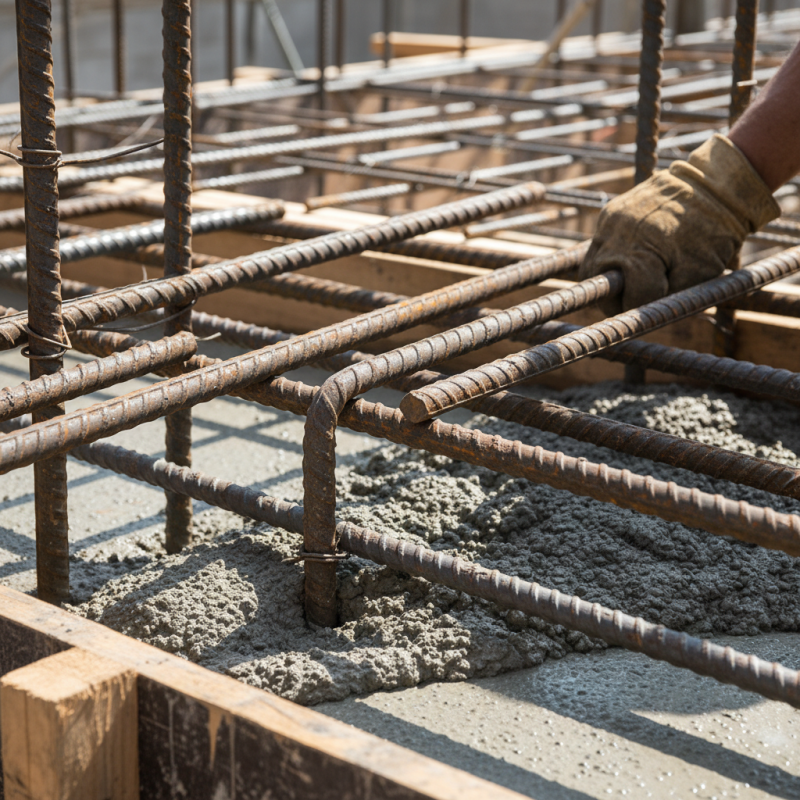
Begin by preparing the construction site. Clear any debris that could interfere with installation. Then, determine the correct spacing for the bars according to design specifications. You might encounter challenges in aligning the bars. It is essential to check the positioning frequently.
Tips: Always ensure that the ends of the bars are clean and free from rust. This promotes better bonding. When tying the bars together, use high-quality tying wire. Loose ties can lead to structural problems later.
Consider the use of spacers to maintain the correct cover over the bars. This detail often gets overlooked but is crucial for durability. If you're unsure about your spacing, double-check the blueprints. It’s better to address mistakes early rather than later in the process.
Common Applications of Deformed Steel Bars in Construction Projects
Deformed steel bars, often known for their surface ridges, play a crucial role in construction. These ridges help improve bonding with concrete. As a result, they enhance the overall strength of structures. Commonly, these bars are used in beams, slabs, and columns. In high-rise buildings, their strength ensures stability against wind and seismic forces.
In residential projects, deformed bars are effective in foundations and basements. They provide necessary tensile strength, which prevents cracking and settling. However, careful placement and adequate spacing are vital. Improper installation can lead to weak points in the structure. Some builders face challenges in calculating the right amount. This can result in either excess material costs or inadequate support.
In bridges, deformed bars help resist tension and compression forces. They contribute to both the durability and lifespan of the structure. Unfortunately, not all teams prioritize the right quality. This oversight can lead to unexpected repairs or failures. It's essential to regularly assess the application methods to maintain safety and effectiveness in construction projects.