What Are Deformed Steel Bars Used For?
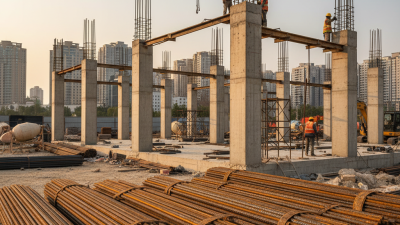
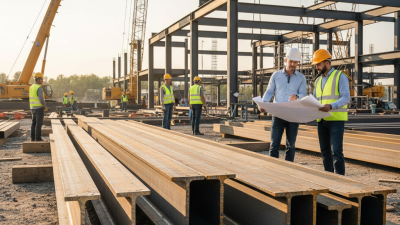
Deformed Steel Bars are the hidden framework inside modern concrete construction. Their raised ribs grip surrounding concrete, helping beams, slabs, columns, foundations, bridges, and retaining walls resist tension. Concrete handles compression well, but it remains weak under pulling forces. Deformed Steel Bars provide the missing tensile capacity. That partnership appears in a warehouse floor, a high-rise column, and the dense cage of steel inside a bridge pier.
The scale is substantial. The World Steel Association reports that construction consumes about half of global steel production, making reinforcement a major industrial application. The Global Infrastructure Hub’s Global Infrastructure Outlook estimated a $94 trillion infrastructure investment requirement through 2040. These figures explain why bar quality, traceability, and correct placement matter beyond a single project. ACI 318-19 also requires engineers to consider development length, splicing, anchorage, strength, and detailing. Small site mistakes can become expensive structural weaknesses.
Professor David Darwin, a respected reinforced-concrete researcher and former ACI president, has emphasized this principle: “The bond between reinforcing steel and concrete is fundamental to reinforced-concrete behavior.” His point is practical. Rib shape, concrete cover, bar spacing, and lap length all influence performance. Deformed Steel Bars also support crack control and seismic detailing when engineers specify them correctly. They are not a universal solution. Corrosion, poor storage, congestion, and careless placement can reduce their value. The bar may look simple. The engineering is not. Any responsible explanation should admit that material selection alone cannot guarantee safety; design, inspection, workmanship, and compliance with the governing standard must work together.
Definition and Rib Geometry: How Deformed Bars Improve Concrete Bonding
What Are Deformed Steel Bars Used For?
Definition and Rib Geometry: How Deformed Bars Improve Concrete Bonding
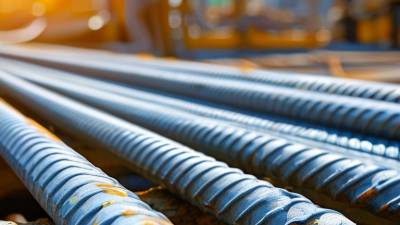
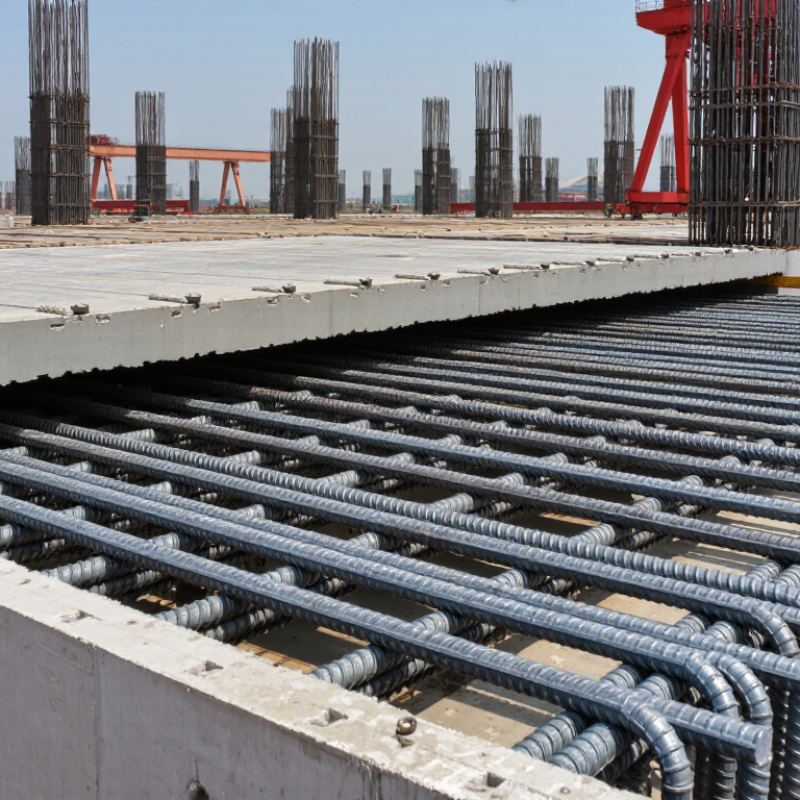
Deformed steel bars reinforce concrete in slabs, beams, columns, foundations, and bridge decks. Unlike smooth bars, they have raised ribs along their length. These ribs press into the surrounding concrete and create mechanical interlock. Bond develops through adhesion, friction, and rib bearing. This connection helps transfer tensile forces after concrete cracks.
ASTM A615/A615M identifies Grade 60 reinforcing steel with a minimum yield strength of 60 ksi, or about 420 MPa. Rib spacing, height, and angle affect bond performance. However, larger ribs do not automatically produce better results. Excessive rib geometry can split the surrounding concrete, especially with limited cover. ACI 408R-03 links bond behavior to bar diameter, cover, confinement, and concrete strength. Field experience confirms this: congested reinforcement often makes concrete placement difficult and creates hidden voids. That weakness is easy to underestimate.
Tips: Check the bar grade, diameter, rib pattern, concrete cover, and lap length against the project specification. Keep ribs clean before placement. Use proper vibration around congested areas. The Federal Highway Administration’s National Bridge Inventory reports more than 600,000 U.S. bridges, many relying on reinforced concrete systems. Yet design assumptions still need site verification. Rib geometry helps, but workmanship remains part of the structural equation.
Structural Reinforcement: Typical Yield Strengths of 400–600 MPa
What Are Deformed Steel Bars Used For?
Structural Reinforcement:
Typical Yield Strengths of 400–600 MPa
Deformed steel bars reinforce concrete in slabs, beams, columns, foundations, and retaining walls. Their raised ribs improve grip inside hardened concrete. This bond helps transfer tension away from cracks and distributes loads through the structure.
Typical yield strengths range from 400 to 600 MPa. A 400 MPa bar suits many ordinary building applications. Higher-strength 500 or 600 MPa bars can reduce reinforcement congestion and improve load capacity. They may also lower steel quantities when the design permits. However, higher strength does not automatically mean better performance. Engineers must check ductility, bendability, lap lengths, and local design requirements. A stronger bar can still fail if detailing is poor.
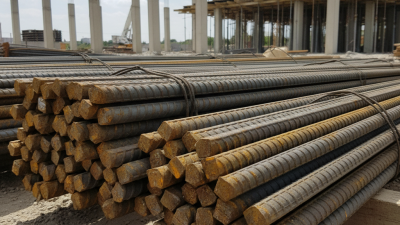
On site, correct placement matters. Bars need proper concrete cover, spacing, and secure tying before pouring. Surface rust may be acceptable in some conditions, but deep corrosion requires careful assessment. Test certificates should confirm yield strength, tensile strength, elongation, and bar size. Assumptions can be wrong, especially when drawings and delivered materials differ.
Tips:
Match the bar grade to the structural design, not habit. Check markings and diameters before installation. Photograph reinforcement before concrete placement. Small errors become difficult repairs later.
Building Frames and Foundations: Common Bar Diameters of 10–32 mm
Deformed steel bars strengthen concrete in building frames and foundations.
Their raised ribs grip the surrounding concrete, helping both materials share tensile forces. Concrete handles compression well, but it needs steel where bending creates tension. That is the practical reason bar size matters.
Bars from 10 to 16 mm
commonly appear in slabs, walls, stirrups, and lighter beams.
Bars from 20 to 25 mm
often reinforce primary beams, columns, and heavily loaded footings.
Diameters of 28 to 32 mm
may suit large columns, transfer beams, or deep foundations.
These ranges are not automatic rules. Engineers select diameter, spacing, grade, lap length, and concrete cover from structural calculations and local standards. Using thicker bars is not always better; tight spacing can make placement and vibration difficult.
A useful site check is simple:
measure bar diameter, spacing, and cover before concrete placement. Plastic spacers must keep the cage away from soil and formwork.
At a foundation edge, misplaced bars can reduce intended cover and create durability problems. At a column joint, crowded reinforcement can block concrete flow.
Small errors matter. Drawings deserve a second look when field conditions change. A tidy cage may still hide incorrect laps or insufficient anchorage.
Bridges, Roads, and Seismic Works: Reinforcement Under Repeated Loads
Deformed steel bars reinforce concrete in structures facing repeated loads. Concrete handles compression well, but it performs poorly under tension. Raised ribs grip the surrounding concrete and reduce slipping. Ribs matter. In bridge decks, bars carry tension beneath moving vehicles and distribute stresses across the slab. Engineers also use reinforcement cages in beams, piers, and foundations. Correct spacing helps control cracks around wheel paths, drainage openings, and support zones.
Road pavements experience thousands of axle movements every day. Heavy trucks create changing tension, bending, and vibration in reinforced concrete sections. Deformed bars help maintain structural continuity when small cracks appear. They do not prevent every crack. They help keep cracks narrower and more stable. Bar diameter, concrete cover, lap length, and placement accuracy all affect performance. A misplaced bar can reduce protection against corrosion and weaken the intended load path. Field inspections often find this problem near congested joints and construction openings.
Seismic structures require more than strong steel. They need ductility, confinement, and reliable anchorage during reversed loading. Closely spaced stirrups can confine concrete inside columns and beam ends. Proper hooks and seismic detailing help prevent bars from pulling out when shaking reverses direction. Engineers study low-cycle fatigue, because earthquake damage can accumulate quickly. Yet calculations can hide practical weaknesses. Poor vibration of concrete, crowded reinforcement, or rushed inspections may reduce actual capacity. The design may be sound on paper, but construction quality still decides how the reinforcement performs.
Standards and Selection: ASTM A615 Grade 60 Bars at 420 MPa Yield Strength
What Are Deformed Steel Bars Used For?
Standards and Selection: ASTM A615 Grade 60 Bars at 420 MPa Yield Strength
Deformed steel bars reinforce concrete in slabs, beams, columns, walls, and foundations. Their raised ribs improve mechanical bonding with surrounding concrete. This connection helps transfer tensile forces when concrete begins to crack. ASTM A615 Grade 60 is widely specified for general reinforced concrete work.
Grade 60 indicates a minimum yield strength of 60 ksi, or approximately 420 MPa. The required minimum tensile strength is typically 90 ksi, or about 620 MPa. These values describe performance, not bar size. Engineers must still verify diameter, spacing, development length, and concrete cover. A stronger bar does not automatically permit less reinforcement.
Selection should follow the structural drawings, project specifications, and applicable design code. Review the mill test certificate before installation. It should identify the standard, grade, heat number, dimensions, and mechanical results. Bar markings offer useful field confirmation, but they should not replace documentation. They can be hard to read after handling.
On site, I would check for severe pitting, unwanted bends, and contamination before placement. Light surface rust is often acceptable, but judgment matters. For welding, ASTM A615 may not provide the needed weldability assurance. The project may require a weldable specification instead. The label alone is not enough.