China Top Steel Grating Types and Their Applications Guide?
In the realm of industrial construction, steel grating has emerged as a staple for various applications. Many experts recognize its versatility and strength. John Smith, a leading authority in the steel manufacturing sector, states, "Steel grating is the backbone of safety and efficiency in industrial environments." This material is not only functional but also crucial for ensuring safety in workplaces.
The different types of steel grating cater to specific needs across industries. From heavy-duty flooring in warehouses to decorative features in architectural designs, the applications are vast. Many organizations rely on the reliability of steel grating, yet selecting the right type can be challenging. Each type has advantages and drawbacks, inviting reflection on specific project requirements.
Understanding these intricacies is vital for industry professionals and end-users alike. The nuances of steel grating should not be overlooked. As applications evolve, so do the standards. Knowledge of the latest trends in steel grating can make a significant difference in project outcomes.
Overview of Steel Grating Types in China
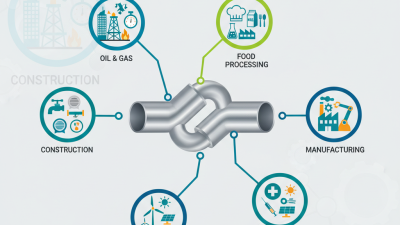
When exploring steel grating types in China, it’s essential to understand their diverse applications. Steel grates serve various industries, including construction, transportation, and manufacturing. Common materials include carbon steel, stainless steel, and aluminum. Each material offers unique advantages, such as rust resistance or heavy load capacity.
Different types of grating are available, such as welded or molded options. Welded grates provide strong, rigid structures suitable for heavy-duty applications. Molded grates, on the other hand, are lighter and often used in walkways or platforms. They can be less durable in high-stress environments.
One area that may be overlooked is maintenance. Grating, especially in outdoor settings, can accumulate debris or rust over time. Regular inspections are vital to ensure integrity and safety. It’s crucial to refine the selection process based on specific project needs. Balancing cost, durability, and application will ultimately lead to more effective use of steel grating in any project.
Common Materials Used for Steel Grating Manufacturing
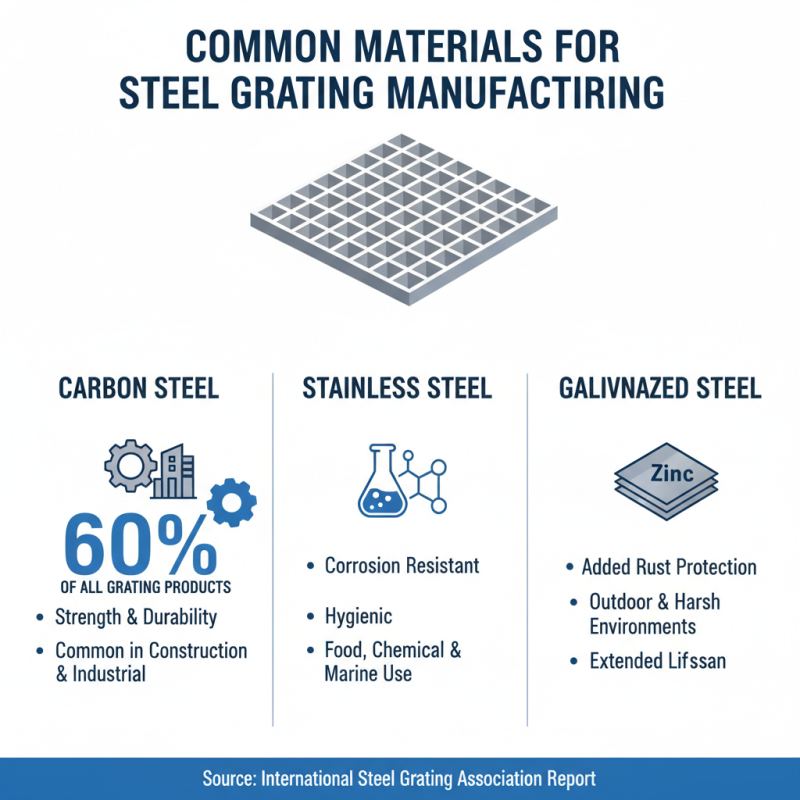
Steel grating is crucial in various industries. The common materials used for manufacturing steel grating include carbon steel, stainless steel, and galvanized steel. According to a report from the International Steel Grating Association, 60% of all grating products are made from carbon steel. This material offers strength and durability, making it a favorite in construction and industrial applications.
Stainless steel is another popular option. It provides excellent corrosion resistance, which is vital in harsh environments. The industry reports indicate that stainless steel grating accounts for about 25% of the market share. It's often used in food processing and chemical plants where hygiene is a priority. Galvanized steel, comprising around 15% of the market, is treated to resist rust. This makes it ideal for outdoor applications, such as walkways and drainage covers.
Tips: When choosing grating materials, consider the environment. If chemical exposure is high, stainless steel might be the best choice. Remember that durability often comes at a higher cost. Investing in quality materials can lead to long-term savings. The choice of material should align with your project requirements and budget constraints. Think critically about future maintenance needs as well.
Key Applications of Steel Grating Across Various Industries
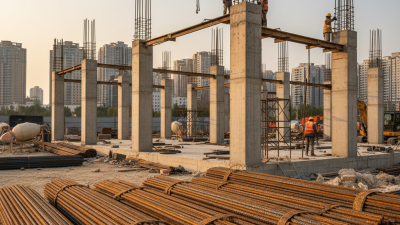
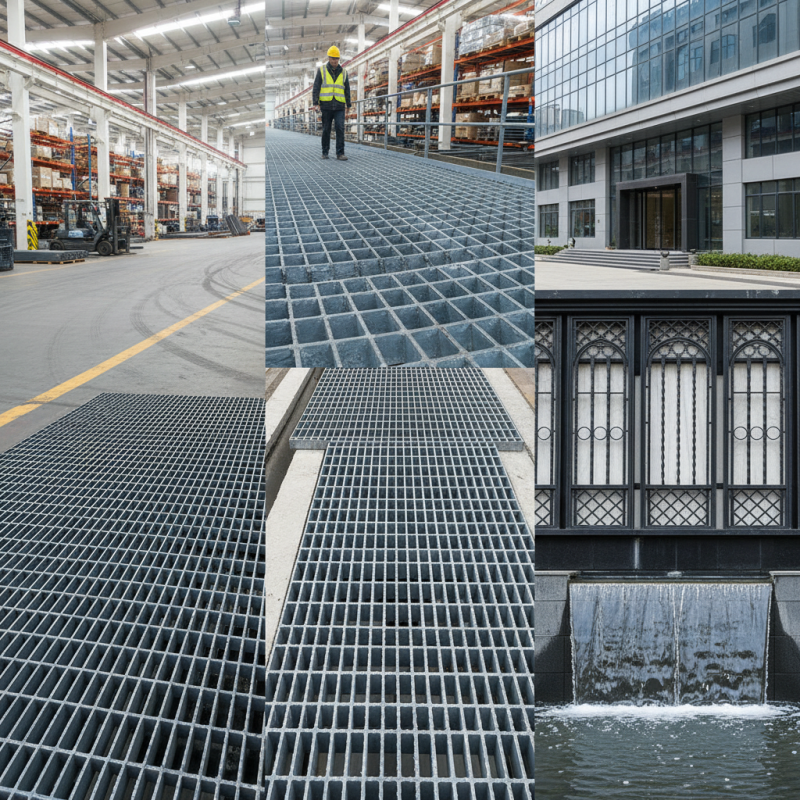
Steel grating is widely used across various industries due to its durability and strength. In construction, it serves as flooring, providing a non-slip surface. This feature enhances safety in high-traffic areas. Moreover, it allows for efficient drainage, preventing water accumulation. In factories, steel grating supports heavy machinery. It can withstand substantial weight and stress, making it reliable for industrial applications.
In marine environments, steel grating plays a crucial role. It is used in walkways and platforms, allowing easy access to ships and offshore structures. The corrosion-resistant properties of treated steel are essential here. Chemical plants also utilize steel grating, offering protection against spills and accidents. It provides essential ventilation while ensuring structural integrity.
Electronics and telecommunications sectors are not left out either. Steel grating supports server rooms and data centers. The open design facilitates cooling, which is vital for equipment performance. However, the installation of steel grating can be tricky. A poorly installed grating may lead to safety hazards. Regular inspections are key to ensuring its effectiveness. These applications reflect how steel grating plays a significant role in multiple industries, each with its unique challenges and requirements.
Installation Techniques and Best Practices for Steel Grating
When installing steel grating, proper techniques are essential. Start by assessing the load requirements and choosing the appropriate type of grating. Ensure that the grating’s thickness and spacing align with the expected use. Measurement is crucial; precise cutting will avoid gaps that could compromise safety.
Tips: Always wear safety gear during installation. Gloves can prevent cuts, while safety glasses protect your eyes.
When anchoring the grating, screws or clips are effective choices. Ensure they are evenly spaced to distribute the load. Check for stability by applying pressure in various areas. This step is often overlooked but crucial for long-term performance.
Tips: Take your time with measurements. Rushing can lead to errors that might require costly corrections. Additionally, consider environmental factors. Corrosion can occur in harsh conditions, so select materials accordingly.
Maintenance and Safety Considerations for Steel Grating Usage
Steel grating, widely used in construction, requires careful maintenance to ensure safety. It’s crucial to perform regular inspections to identify rust or deformities. According to the American Galvanizers Association, nearly 25% of steel grating failures result from inadequate maintenance practices. Regular checks can prevent accidents and extend the lifespan of the grating.
Cleaning is essential, especially in industrial environments. Dirt, oil, and chemical spills can weaken the grating over time. A study by the National Institute of Standards and Technology highlights that neglecting proper cleaning can reduce load-bearing capacity by up to 15%. Thus, employing safe cleaning techniques not only enhances appearance but also ensures structural integrity.
Safety considerations are paramount when using steel grating. It’s vital to ensure proper installation with secure fastenings. The Occupational Safety and Health Administration reports that poorly installed grating increases the risk of slips and falls. Educating workers about hazards is key, as human error remains a leading cause of incidents, often stemming from insufficient training or lack of awareness.