Leave Your Message

2026 Top Steel Profile Trends for Construction and Manufacturing?

As the construction and manufacturing sectors evolve, the significance of Steel Profile trends becomes increasingly apparent. In 2026, industry leaders will focus on innovations that enhance the efficiency and sustainability of projects. Steel Profiles are essential for structural integrity, making them a critical component in modern construction.

Recent advancements in technology have led to remarkable new designs and applications for Steel Profiles. These developments not only improve building performance but also reduce material waste. However, there is a challenge in balancing cutting-edge designs with traditional manufacturing processes. Many manufacturers may struggle to adapt their practices to these emerging trends.

Looking ahead, understanding these trends is vital for architects and engineers. They must consider the evolving characteristics of Steel Profiles when planning projects. This thoughtful approach will shape the future of construction and manufacturing, ensuring that structures are both resilient and environmentally responsible.
2026 Top Steel Profile Trends for Construction and Manufacturing?

Emerging Steel Profile Innovations Shaping 2026 Construction Industry

2026 Top Steel Profile Trends for Construction and Manufacturing?

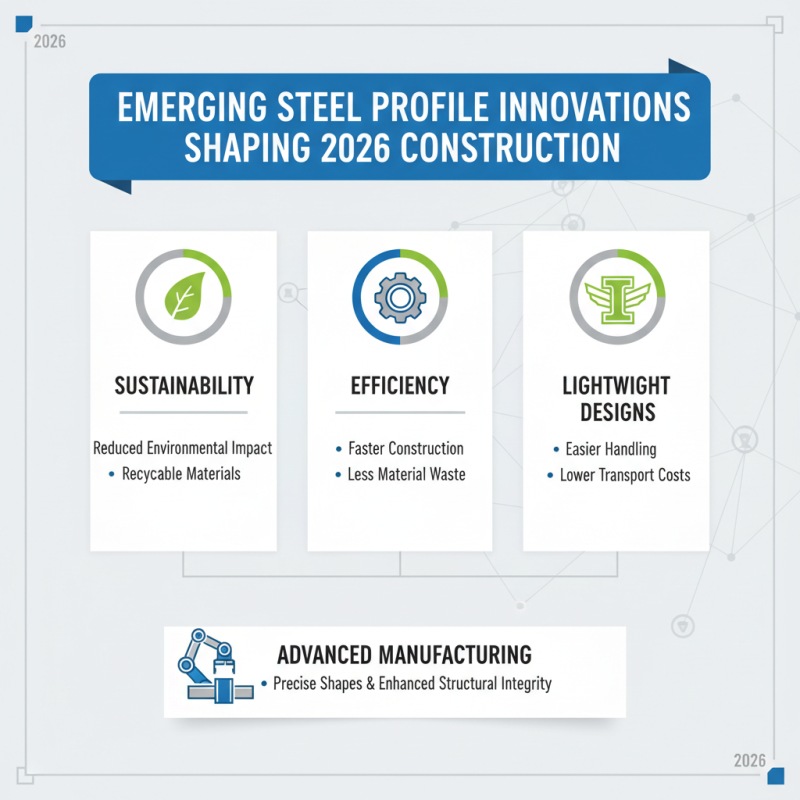
Emerging steel profile innovations are reshaping the construction industry in 2026. These new profiles focus on sustainability and efficiency. Lightweight designs are now integral, allowing for easier handling and reduced transportation costs. Additionally, advanced manufacturing techniques enable more precise shapes, enhancing structural integrity.

Another trend is the use of recycled materials. This practice reduces waste and lowers the carbon footprint associated with steel production. However, relying heavily on recycled content can compromise material performance if not managed properly. The balance is delicate and needs careful attention.

Smart technologies are becoming embedded in steel profiles. Sensors can now monitor structural health in real time. This innovation adds value but introduces complexities in integration. Building teams must adapt to these new tools, raising questions about training and implementation. Adjusting approaches is crucial for maximizing benefits while minimizing potential drawbacks.
Key Trends in Steel Manufacturing Processes for Enhanced Efficiency

The steel industry is witnessing substantial changes in manufacturing processes aimed at boosting efficiency. Advanced technologies like automation and artificial intelligence are becoming integral to operations. A report by the World Steel Association predicts that AI can reduce production costs by up to 20%. This potential for cost reduction is driving manufacturers to reconsider traditional methods.

Embracing sustainable practices is also crucial. The shift toward using fewer raw materials and focusing on recycling is gaining traction. The International Energy Agency forecasts that recycling could account for up to 70% of total steel production by 2030. This approach not only lowers costs but also minimizes environmental impact, addressing the industry's critical need for sustainability.

**Tips:**
Invest in training programs for your workforce. Enhancing skills in new technologies can lead to better productivity.
Regularly review your supply chain for opportunities to minimize waste. Efficiency often starts with smarter resource management.
Look for innovative partnerships that can bring fresh ideas into your manufacturing processes. Collaboration is key to staying competitive.

Sustainable Steel Profiles: Eco-Friendly Trends to Watch in 2026

2026 Top Steel Profile Trends for Construction and Manufacturing?

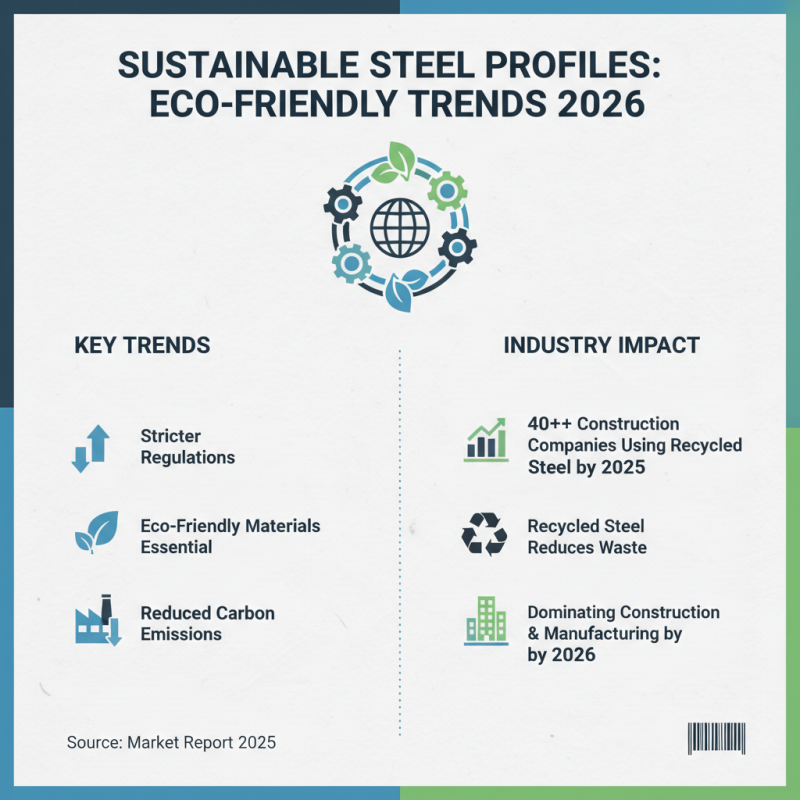
Sustainable steel profiles are set to dominate the construction and manufacturing sectors by 2026. As industries face stricter regulations, eco-friendly materials are becoming essential. According to a recent market report, over 40% of construction companies plan to use recycled steel in their projects by 2025. Recycled steel not only reduces waste but also lowers carbon emissions significantly.

The trend towards sustainability is also driven by consumer demand. A survey revealed that 70% of consumers prefer products with minimal environmental impact. Steel profiles made from plant-based materials and featuring innovative coatings are gaining popularity. These designs ensure durability while adhering to eco-friendly standards. However, these advancements come with challenges. Not all facilities have the capability to produce sustainable profiles, leading to a disparity in availability.

Another concern is the cost of sustainable steel. Some manufacturers report that prices for eco-friendly options can be up to 15% higher than traditional steel profiles. This price gap can deter smaller companies from making the switch. Ongoing research and development are crucial for addressing these issues, making sustainable options more accessible and affordable for everyone in the industry. Embracing innovation and setting clearer standards will help shape the future of steel profiles.

Impact of Automation and Technology on Steel Profile Production

The integration of automation and technology is reshaping steel profile production. In recent years, the industry has witnessed a significant shift towards more automated processes. According to a report by the World Steel Association, the sector aims to increase productivity by 30% through advanced manufacturing technologies by 2026. Automation minimizes human error in the cutting and shaping of steel profiles, resulting in greater precision. However, this shift presents challenges, especially in workforce retraining and maintaining quality assurance.

Another influential factor is the utilization of artificial intelligence (AI) and machine learning. These technologies optimize the production line, predicting maintenance needs and reducing downtime. A study published in the Journal of Cleaner Production indicated that AI can improve energy efficiency by up to 20% in steel manufacturing. However, dependency on automation raises concerns about job displacement. As processes become more efficient, the demand for traditional labor skills may decline, prompting a critical reassessment of workforce strategies in the industry.

Furthermore, integrating Internet of Things (IoT) devices is transforming data collection in steel production. Real-time monitoring ensures that companies can make informed decisions immediately. This shift enhances both production quality and safety protocols. Yet, excessive reliance on technology can lead to vulnerabilities, such as cybersecurity risks. Balancing innovative technology with traditional craftsmanship requires continuous reflection within the industry. As advancements evolve, so too must the strategies that govern their implementation.

Future Applications of Advanced Steel Profiles in Construction Projects

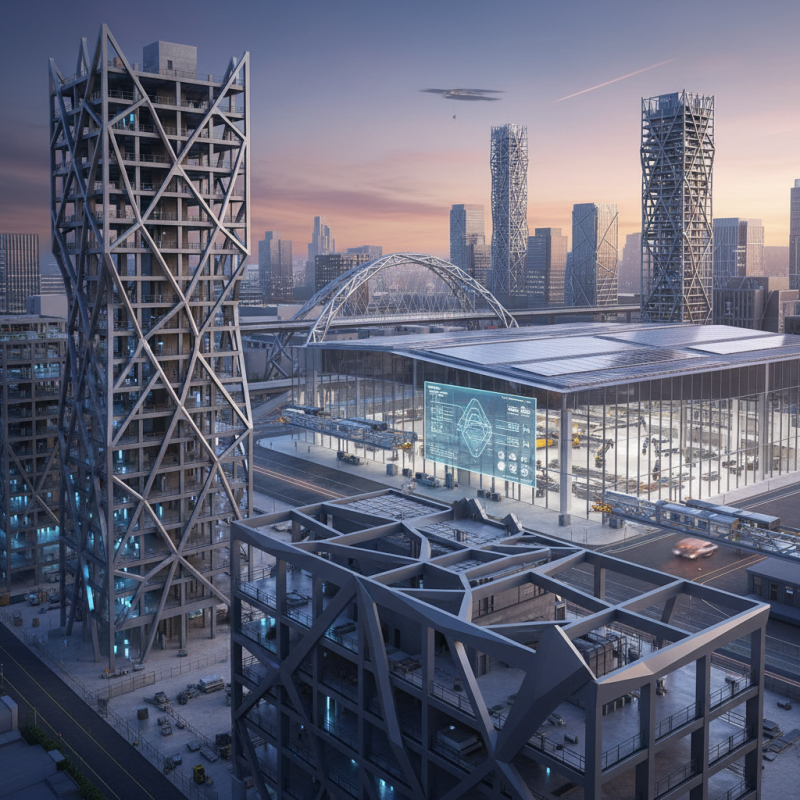
The future of construction projects is being reshaped by advanced steel profiles. These profiles offer unique advantages such as increased strength and flexibility. They are becoming essential in high-rise buildings, bridges, and industrial facilities. The lightweight nature of these profiles eases transportation and installation. This efficiency is crucial in modern fast-paced construction environments.

Implementing advanced steel profiles can come with challenges. For instance, their costs may be higher than traditional materials. Construction teams must also adapt to new fabrication methods. Training is necessary to ensure all workers understand how to use these materials effectively. There is a chance that some materials may not meet local codes or standards. Therefore, careful planning is essential.

The potential applications of these profiles are vast. They are not limited to structural purposes. Designers can use them for aesthetic features too. With advancements in technology, the designs can be more complex yet feasible. Collaboration between engineers and architects will maximize the benefits of these modern steel profiles.

2026 Top Steel Profile Trends for Construction and Manufacturing

Trend Description Applications Advantages
Lightweight Steel Profiles Use of advanced alloys to create lighter steel profiles. High-rise buildings, bridges, and industrial structures. Reduced transportation costs and easier installation.
Corrosion-Resistant Steel Steel profiles coated with corrosion-resistant materials. Coastal structures, outdoor facilities, and industrial applications. Extended lifespan and reduced maintenance costs.
Modular Steel Systems Prefabricated steel components for quick assembly. Temporary structures, housing, and rapid deployment scenarios. Faster construction time and flexibility in design.
Smart Steel Profiles Integration of sensors and smart technology into steel profiles. Intelligent buildings, infrastructure monitoring. Enhanced safety and real-time data collection.
Sustainable Steel Production Efforts to reduce carbon emissions in steel manufacturing. General construction and eco-friendly projects. Lower environmental impact and potential for LEED certification.