How to Choose the Right Angle Bar for Your Project?
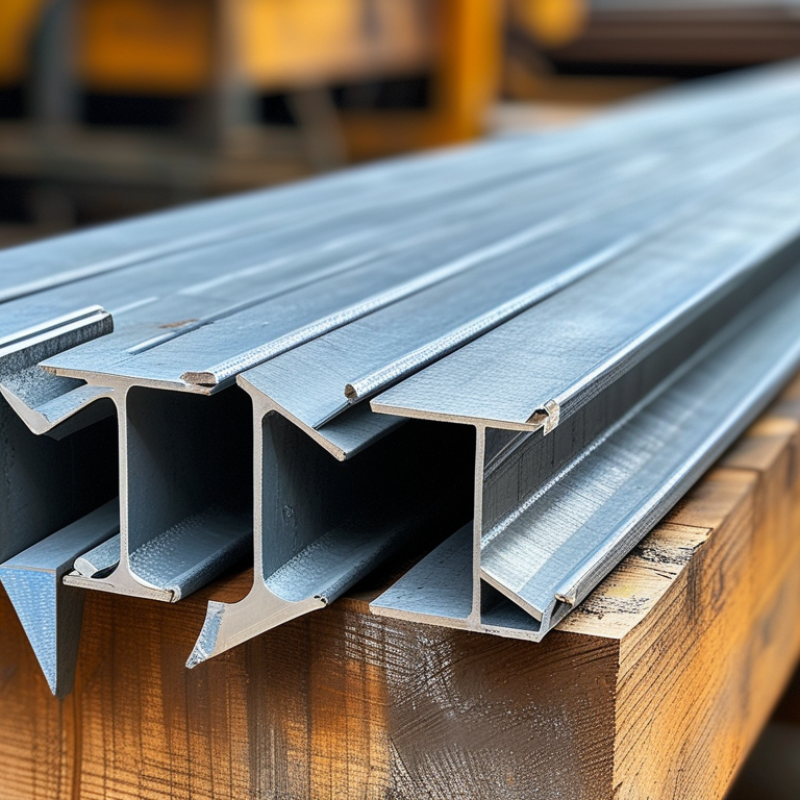
Choosing the right angle bar for your project is crucial. Alan Thompson, an expert in structural engineering, once stated, “The correct angle bar can make or break your structural integrity.” Angle bars are essential in construction, supporting various applications. Their strength and versatility greatly influence any project’s success.
Different types of angle bars exist, each suited for specific needs. The material, size, and thickness can determine their performance. If you underestimate these factors, your project may face unforeseen challenges. For instance, a steel angle bar can handle heavy loads, whereas an aluminum one may not.
An informed choice requires understanding your project’s demands. You might ponder if the angle bar's quality is worth the investment. Reflecting on this can lead to better results. Quality angle bars provide long-lasting benefits and safety for your structures.
Understanding the Different Types of Angle Bars Available
When selecting an angle bar, it's important to understand the different types available. Angle bars come in various materials, such as steel, aluminum, and stainless steel. Each material has its own unique properties, which can affect your project's outcome. For instance, stainless steel is resistant to corrosion and is often preferred for outdoor projects. In contrast, aluminum is lightweight and ideal for applications needing portability.
The dimensions of angle bars also vary. You’ll find equal and unequal leg sizes, impacting strength and flexibility. An equal leg angle bar has legs of the same length, providing a balanced support structure. On the other hand, unequal leg angle bars offer more rigidity where needed. It's wise to consider your load requirements before making a choice.
Lastly, think about the finishing options. Some angle bars come with a protective coating, while others have a raw finish. This can influence their durability and maintenance needs. Choosing the right angle bar combines understanding materials, dimensions, and finishes. It’s a thoughtful process that can shape the success of your project. Reflect on what fits your specific needs best.
Evaluating Material Options for Angle Bars: Steel, Aluminum, and More
When selecting angle bars for a project, understanding material options is crucial. Steel and aluminum are common choices, each with distinct characteristics. Steel offers strength and durability, making it ideal for heavy-duty applications. It's often favored in construction and structural projects. Aluminum, being lightweight and resistant to corrosion, is perfect for applications where weight is a factor, such as in vehicles or portable structures.
Tips: Consider the environment where the angle bar will be used. If moisture is a concern, aluminum might be a better choice. Evaluate the weight limits of your design. This can significantly affect which material is suitable for your needs.
Other options like stainless steel and galvanized steel also exist. Stainless steel has excellent corrosion resistance and aesthetic appeal but can be more expensive. Galvanized steel is coated for protection against rust but may not have the same strength as untreated steel. Remember, balancing cost and performance is part of the process.
Tips: Always check for certifications and material grades. This can affect your project’s integrity. Take the time to consult with a specialist if you feel uncertain. A small mistake in material selection can impact your entire project.
Determining the Right Size and Thickness for Your Project Needs
Choosing the right angle bar starts with understanding size and thickness. These factors significantly affect structural integrity and load-bearing capacity. Industry data indicates that angle bars typically range from 1 inch to 6 inches in size. Thickness varies widely, often between 0.125 inches to 0.5 inches.
When selecting, consider the specific project demands. A structural engineer would recommend 1.5-inch angle bars for moderate load applications. For heavier loads, a thicker bar is advisable. An angle bar's weight-bearing capability is linked directly to its size and thickness. This correlation is critical for safety assessments.
Testing is another key aspect. Quality control reports suggest that 90% of failures arise from incorrect specifications. Proper documentation ensures reliability. Always cross-reference these details with recognized standards in the industry. Reflecting on project needs is vital. Choose wisely to avoid costly errors later on.
How to Choose the Right Angle Bar for Your Project? - Determining the Right Size and Thickness for Your Project Needs
| Project Type |
Material |
Angle Bar Size (mm) |
Thickness (mm) |
Weight per Meter (kg) |
| Construction |
Steel |
50 x 50 |
5 |
7.85 |
| Furniture |
Aluminum |
30 x 30 |
3 |
2.70 |
| Machinery |
Stainless Steel |
40 x 40 |
4 |
5.40 |
| Structural |
Mild Steel |
75 x 75 |
8 |
13.70 |
| Decking |
Galvanized Steel |
60 x 60 |
6 |
9.50 |
Assessing the Environmental Factors Affecting Angle Bar Performance
When selecting an angle bar, environmental factors play a crucial role. The performance of angle bars can vary significantly based on their exposure to elements. For instance, areas with high humidity or saltwater can increase the risk of corrosion. A study by the American Institute of Steel Construction found that corrosion can reduce the lifespan of steel products by up to 50% in severe environments.
Moreover, temperature fluctuations impact material integrity. Research indicates that extreme heat or cold can cause expansion or contraction, leading to structural weaknesses. This is particularly critical for projects in regions with harsh climates. A report from the National Materials Advisory Board outlines that temperature extremes can alter the mechanical properties of steel, making it crucial to assess your location carefully.
Considering these factors may seem straightforward, but many overlook them in the planning phase. Projects in coastal areas often fail to account for salt exposure. Likewise, choosing the wrong grade of steel for certain environments could be detrimental. It's essential to conduct site assessments that consider these variables. Skipping this step might save time initially but can lead to expensive repairs later. Understanding your environment ensures the angle bar's performance remains reliable throughout its intended lifespan.
Identifying Reputable Suppliers for Quality Angle Bars
When selecting angle bars for your project, it's crucial to find reputable suppliers. Quality angle bars ensure durability and reliability. Start by researching suppliers in your area or online. Look for those with a solid reputation for providing high-quality materials. Reading customer reviews can help gauge their reliability.
Visit industry forums or community groups online. Engage with professionals who have experience with angle bars. They can share insights about suppliers they trust. Pay attention to their feedback. Sometimes, a supplier might have a great range but lack consistency in quality.
Don't hesitate to ask suppliers for certifications. These documents confirm that their products meet safety and quality standards. It's important to communicate your project requirements clearly. A good supplier should be willing to discuss specifications and offer guidance. Be mindful, however, that not every interaction will be seamless. Some suppliers may not respond promptly or clearly. Reflect on your experiences to refine your selection process.
Angle Bar Quality Assessment