Choosing the best China Square Tube manufacturer requires more than comparing prices. Quality starts with traceable steel, controlled forming, and honest documentation.
The World Steel Association reported global crude steel production of about 1.89 billion tonnes in 2023. China produced more than half of that volume. This scale creates strong manufacturing capacity. It also creates uneven quality between suppliers. A polished website proves little. Request mill certificates, production photos, dimensional records, and recent shipment references. Check whether the factory follows standards such as ASTM A500, EN 10219, or GB/T 6725. The correct standard depends on your project, market, and structural requirements.
Professor Jeffrey A. Packer, a recognized hollow structural section specialist, has offered a practical warning: “The connection is often the critical part of an HSS design.” His point matters when selecting Square Tube. A tube may look perfect on the rack, yet fail your application because of poor weld consistency, inaccurate corner radius, or unsuitable steel grade. Examine sample corners. Measure wall thickness with calibrated tools. Ask how the factory controls weld seams, straightness, coating thickness, and corrosion protection. Confirm packing details, especially for long-distance sea transport.
Price still matters. It should not lead the decision. An extremely low quotation may exclude testing, protective packaging, or realistic tolerances. Third-party inspection can reduce uncertainty, but it cannot replace supplier experience. Even a well-designed audit has limits. Request a small trial order before signing a large contract. Compare test results with your drawings and installation conditions. The best manufacturer is not always the biggest one. It is the supplier that can repeatedly deliver the required Square Tube, with evidence you can independently verify.
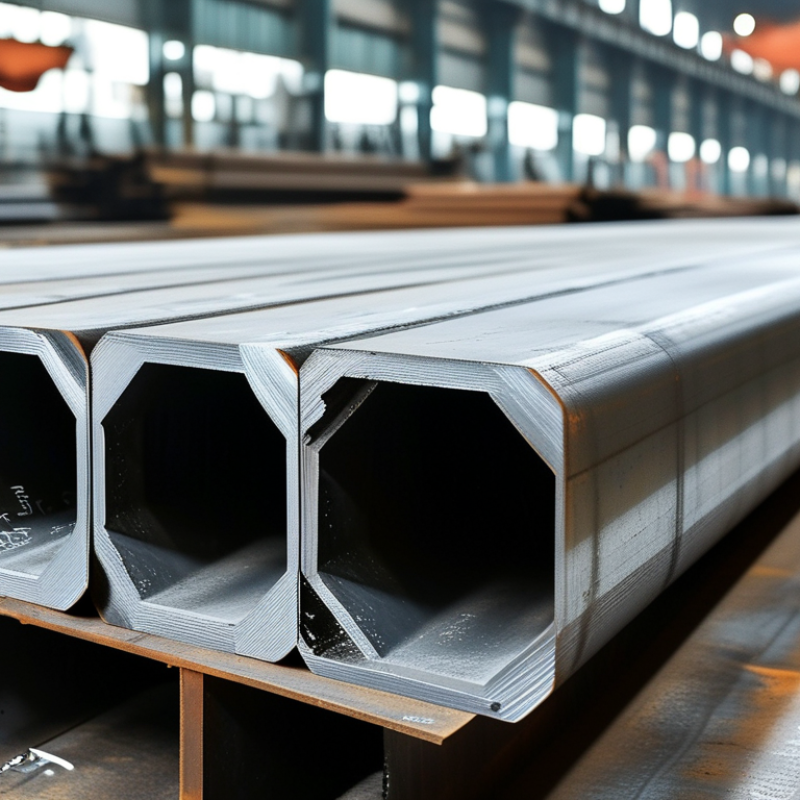
A reliable square tube manufacturer in China should prove consistency, not merely offer a low quotation. China produced about 1.019 billion tonnes of crude steel in 2023, representing nearly 54% of global output, according to the World Steel Association. Large capacity is useful, but it does not guarantee accurate hollow sections or stable delivery.
Check whether the factory records heat numbers from billet to finished tube. Ask for recent mill certificates, dimensional inspection sheets, and sample testing results. Wall thickness, corner radius, straightness, and weld quality deserve direct verification. A capable supplier should explain its testing equipment and acceptance criteria without vague promises. ISO 9001 certification can support process control. However, the ISO Survey 2022 recorded more than 1.2 million certificates worldwide, so certification alone proves little.
Request samples cut from current production, not carefully selected showroom pieces. Measure them with a calibrated micrometer. Inspect the weld line under bright light. The surface should feel even, with no deep scratches, open seams, or excessive scale. Packaging also matters: square bundles need firm straps, moisture protection, and clear labels. Third-party inspection can reduce risk before shipment. I would still avoid relying on one report. Production records can be incomplete, and even experienced buyers sometimes overlook changes in raw-material batches. A dependable manufacturer welcomes difficult questions, documents deviations, and corrects recurring defects instead of hiding them.
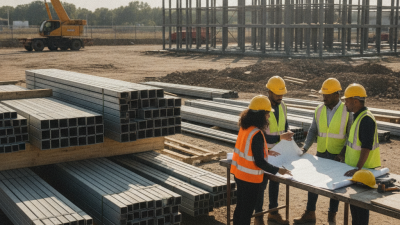
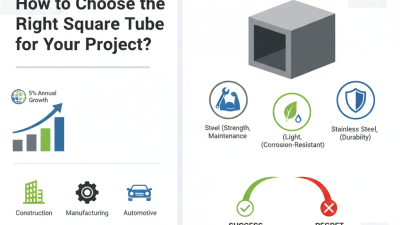
Choosing the right square tube starts with the working environment, not the lowest quoted price.
Carbon steel suits structural frames, racks, and indoor supports where strength and cost matter. Stainless steel performs better near moisture, chemicals, or frequent washing. Galvanized steel adds practical corrosion protection for outdoor applications. Aluminum reduces weight, but it usually requires different design calculations and joining methods. I have seen lightweight tubes selected too quickly, then weakened by unexpected vibration. That assumption can fail.
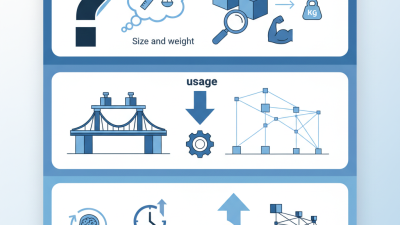
Define the outside size, wall thickness, length, and required tolerance before requesting production. A 40 × 40 mm tube with a 2 mm wall does not behave like a 1.5 mm tube. Small changes affect bending resistance, welding heat, and final weight.
Check whether the project needs cut lengths, capped ends, drilled holes, or a specific surface finish. For load-bearing work, review yield strength, tensile strength, straightness, corner radius, and allowable deflection. Do not rely on nominal dimensions alone. Actual measurements matter.
Ask for material certificates, dimensional inspection records, and coating results when relevant. A dependable manufacturer should explain the applicable standard, batch traceability, packing method, and delivery condition.
Sample testing can reveal burrs, uneven corners, or coating damage before a full order. One detail is easy to miss: tubes stored directly on wet concrete may rust before installation.
Specifications should match the real site, not an ideal drawing. Recheck the selection with the fabricator and engineer; a cheaper section may create higher repair costs later.
Evaluating manufacturing quality starts with measurable evidence, not attractive samples. Ask for steel grade certificates, dimensional inspection records, and coating test results. Check wall thickness at several points, especially near tube corners. Uneven thickness can weaken welding and bending performance. A reliable factory should explain its inspection frequency and testing equipment clearly. During a factory visit, examine cutting edges, weld seams, storage conditions, and calibration labels. Small details matter.
Tips: Request a trial order before signing a large contract. Compare actual tubes with approved samples. Use calipers to verify outer dimensions and wall thickness. Ask for recent inspection reports, not old documents. Keep the questions specific.
Production capability requires more than a large workshop. Review monthly output, tube size ranges, raw material storage, and production scheduling. Confirm whether the factory handles cutting, punching, galvanizing, or powder coating internally. Outsourced processes may increase lead times and quality variation. Ask how rejected tubes are identified and separated. Traceability should follow each batch from coil or billet to shipment. A clear answer builds confidence.
Do not rely only on impressive machinery. Some equipment may be underused or poorly maintained. Check maintenance logs and observe a live production run. Delivery promises also deserve scrutiny. A factory that admits capacity limits may be more dependable than one promising everything. Production capability must match your drawings, tolerances, quantity, and delivery window.
When choosing the best square tube manufacturer, review certifications before comparing prices. A reliable supplier should provide a valid ISO 9001 certificate for quality management. The certificate must match the factory’s legal name and production site. For structural tubes, ask whether products follow standards such as ASTM A500 or EN 10219. Requirements depend on your market and application.
Testing evidence matters more than polished claims. Request mill test certificates showing chemical composition, yield strength, tensile strength, and elongation. Dimensional inspection should cover outside size, wall thickness, corner radius, and straightness. Welded tubes may also require weld quality checks, including visual inspection or non-destructive testing. Ask for batch numbers and heat numbers. These details connect the report to the actual tubes delivered. A certificate alone is not proof. It may cover another product, another factory, or an expired production period.
Tips: Visit the plant when possible, or arrange an independent inspection before shipment. Check whether testing equipment is calibrated and whether reports come from qualified laboratories. Confirm sample size, test dates, and acceptance limits. Keep a small sample for later comparison. No checklist is perfect. I have seen buyers focus on certificates while overlooking inconsistent wall thickness and weak traceability. A manufacturer earns trust through repeatable results, clear records, and honest answers when a test fails.
When choosing a China square tube manufacturer, compare pricing beyond the headline number. Request an itemized quotation for steel grade, wall thickness, surface treatment, cutting, packing, and transport. A very low price may exclude export packaging or inspection fees. I learned this after one shipment arrived with stronger wrapping costs than expected. Ask whether the quote is fixed, and confirm its validity period.
Delivery performance deserves equal attention. Request a realistic production schedule, not only a shipping estimate. Confirm raw material availability, inspection dates, port arrangements, and contingency plans for delays. A reliable supplier should provide progress photos, batch records, and tracking documents. Check whether previous orders followed the promised timeline. Small delays can disrupt installation crews and warehouse planning.
After-sales support shows how seriously a manufacturer treats quality. Ask for written procedures covering dimensional errors, coating defects, shortages, and damaged bundles. The supplier should identify a responsible contact and response time. Request mill certificates, inspection reports, and replacement terms before placing an order. Samples help, but they do not prove consistent mass production. One practical improvement is using an independent pre-shipment inspection. It adds cost, yet it can expose problems before the cargo leaves the factory.