Leave Your Message

How to Choose Prepainted Steel for Your Project

Choosing Prepainted Steel is not simply a matter of selecting a color. It requires a practical review of climate, forming, installation, maintenance, and service life. The World Steel Association reported approximately 1.89 billion tonnes of crude steel production in 2023. That scale shows steel’s continuing importance, but it does not make every coated product suitable for every project. A coastal warehouse, a refrigerated building, and an inland roof face very different risks.

Industry research supports this careful approach. Grand View Research identifies construction as a major application area for the pre-painted steel market, while commercial forecasts from MarketsandMarkets indicate continued demand for coated steel products. However, these forecasts are not promises. Their methods and market assumptions can differ. Project decisions should therefore rely on tested performance, supplier documentation, and local exposure conditions.

A reliable specification should confirm the steel substrate, metallic coating, paint chemistry, coating thickness, gloss, and forming limits. ASTM A755/A755M and EN 10169 provide useful technical references for prepainted building products. ISO 12944 can also help assess corrosion environments, although it does not replace product-specific testing. Look beyond a sample card. A roof panel under harsh sunlight may fade, chalk, or lose flexibility long before the building needs replacement. No choice is flawless. Engineers should question warranty wording, verify test methods, and compare actual project conditions with laboratory results. The best Prepainted Steel is not always the cheapest coil; it is the product that remains dependable after cutting, bending, transport, installation, and years of weather exposure.

How to Choose Prepainted Steel for Your Project

Define the Project’s Performance and Appearance Requirements

How to Choose Prepainted Steel for Your Project

Define the Project’s Performance and Appearance Requirements

Start with the site, not the color chart. Record humidity, salt exposure, industrial pollutants, sunlight, temperature changes, and cleaning chemicals. NACE’s IMPACT study estimated global corrosion costs at 3.4% of worldwide GDP, with 15–35% potentially preventable through better protection. That figure deserves attention.

Specify the corrosion category, steel thickness, metallic coating mass, paint system, and forming conditions. ISO 12944 classifies expected durability as low, medium, high, or very high. Its high category generally covers 15–25 years before major maintenance. However, this is not a guarantee. Site details and installation quality can change the result.

Appearance needs equal discipline. Define color tolerance, gloss level, surface texture, coating direction, and acceptable shade variation between production batches. ASTM D2244 supports numerical color-difference evaluation, while ASTM D523 measures gloss. Review physical samples under daylight and indoor lighting. Small differences can become obvious across a long façade.

Do not ignore handling marks. They may appear after cutting, bending, stacking, or transport. A practical specification should state whether minor scratches, edge exposure, and repair areas are acceptable. This part is often vague. It should not be.

A better selection balances service life, forming performance, maintenance access, and visual consistency. A cheaper coating can become expensive when repainting disrupts occupied spaces.

Compare Prepainted Steel Grades, Coatings, and Substrate Options

How to Choose Prepainted Steel for Your Project

Choosing prepainted steel starts with the project environment, not the color chart. Compare the required steel grade, coating system, and substrate before checking appearance. Higher-strength grades can reduce panel thickness, but they may be less forgiving during forming. A softer grade usually suits tight bends, stamped details, and complex profiles. Confirm yield strength, elongation, and forming limits with the supplier’s technical data.

The substrate protects the steel beneath the paint. Galvanized steel offers reliable corrosion resistance for many indoor and outdoor applications. Aluminum-zinc coated steel can perform well under heat and weather exposure, but edge protection still deserves attention. Coating choice depends on sunlight, humidity, pollution, and expected service life. Polyester coatings may suit controlled conditions and budget-focused projects. Silicone-modified systems provide stronger color and weather resistance. Fluoropolymer coatings are often selected for demanding architectural surfaces. Do not judge coating quality by gloss alone. I have seen attractive panels fail early because cut edges, fasteners, or damaged areas were ignored. That detail is easy to miss.

Tips: Request samples and inspect the bend area after forming. Check the specified coating thickness, substrate mass, and warranty conditions. Test compatibility with sealants and insulation. Leave room for mistakes; installation quality can outweigh a small grade upgrade. Wind, salt, and trapped moisture should influence every specification.

How to Choose Prepainted Steel for Your Project - Compare Prepainted Steel Grades, Coatings, and Substrate Options

Decision Area Option Typical Specification or Property Key Advantages Typical Applications Selection Considerations
Steel Grade Commercial Steel, ASTM A653 CS Type B Minimum yield strength: approximately 230 MPa (33 ksi). Designed primarily for forming rather than high structural loading. Good formability, easy fabrication, and generally suitable for roll forming and simple bends. Roofing panels, wall cladding, trim, flashing, and general-purpose formed components. Choose when forming performance is more important than high load capacity. Confirm bend radius and forming method.
Steel Grade Structural Steel, ASTM A653 SS Grade 33 Minimum yield strength: approximately 230 MPa (33 ksi), with structural-quality requirements. Combines moderate strength with useful forming capability. General building panels, light structural components, agricultural buildings, and shaped sections. A practical general-purpose grade when the design requires structural steel but does not need higher-strength grades.
Steel Grade Structural Steel, ASTM A653 SS Grade 50 Minimum yield strength: approximately 345 MPa (50 ksi). Higher load capacity can allow lighter-gauge designs and improved structural efficiency. Roof and wall panels, structural profiles, decking, framing components, and heavier-duty enclosures. Check forming limits carefully. Higher strength may require larger bend radii and more controlled fabrication.
Steel Grade High-Strength Low-Alloy Steel, ASTM A653 HSLAS Grade 50 Minimum yield strength: approximately 345 MPa (50 ksi), achieved through microalloying. Good strength-to-weight ratio and potential for reduced material usage. Long-span panels, structural members, transportation components, and weight-sensitive designs. Use engineering calculations to verify deflection, local buckling, hole-making, and forming requirements.
Substrate Hot-Dip Galvanized Steel, ASTM A653 Zinc coating applied to both sides; common coating designations include G30, G60, and G90. G90 equals 0.90 oz/ft² total zinc on both sides, approximately 275 g/m². Provides sacrificial zinc protection and is widely available in many steel grades and thicknesses. Exterior roofing, siding, wall panels, trim, HVAC components, and general construction products. Increase zinc coating mass for more demanding atmospheric exposure, while accounting for forming and edge-cut behavior.
Substrate Aluminum-Zinc Alloy-Coated Steel, ASTM A792 Common coating designations include AZ50 and AZ55. AZ50 equals 0.50 oz/ft² total coating on both sides, approximately 152 g/m². Strong resistance to atmospheric corrosion and heat, with good performance on exposed roofing and siding. Roofing systems, wall cladding, agricultural buildings, industrial buildings, and high-temperature applications. Protect cut edges and avoid unsuitable contact with incompatible metals or continuously wet environments.
Substrate Galvannealed Steel Zinc-iron alloy coating produced by heat treatment after galvanizing; often selected for paint adhesion and welding performance. Excellent paint adhesion, uniform surface, and good resistance to powdering during fabrication. Automotive parts, indoor components, electrical enclosures, and painted formed products. Usually less preferred than aluminum-zinc-coated steel for severe exterior roofing exposure unless the complete system is specifically designed for it.
Paint System Standard Polyester Common economical finish for interior or moderate exterior exposure; available in a wide range of colors and gloss levels. Cost-effective, easy to process, and suitable for many general building applications. Interior panels, light-duty siding, agricultural buildings, partitions, and moderate-climate applications. Not the first choice for severe ultraviolet exposure, frequent abrasion, or long-term color retention requirements.
Paint System Silicone-Modified Polyester (SMP) Modified polyester coating with improved weathering and color retention compared with standard polyester. Balanced cost, durability, hardness, and exterior performance. Roofing and wall panels for residential, commercial, agricultural, and industrial buildings. A strong general exterior option where moderate-to-high weathering performance is required without premium fluoropolymer cost.
Paint System High-Durability Polyester or HDP Enhanced polyester formulation designed for improved resistance to ultraviolet exposure and weathering. Better exterior durability and color retention than conventional polyester, with broad color availability. Commercial roofing, wall cladding, façades, and projects with extended exterior service expectations. Review the manufacturer’s test data, film thickness, gloss level, and warranty conditions for the specified environment.
Paint System PVDF Fluoropolymer Fluoropolymer finish commonly specified for high color stability, chemical resistance, and long-term exterior appearance. Excellent resistance to ultraviolet radiation, chalking, fading, and many atmospheric pollutants. Architectural façades, prestigious commercial buildings, coastal projects, and high-visibility applications. Higher initial cost; specify suitable pretreatment, primer, topcoat thickness, and installation practices.
Paint System Polyurethane or Plastisol Thicker organic coating systems selected for enhanced flexibility, impact resistance, or textured appearance. Can provide strong mechanical protection and useful forming performance, depending on formulation. Specialty cladding, industrial panels, agricultural buildings, and applications requiring a textured or robust finish. Verify ultraviolet, temperature, chemical, and fire-performance limits because formulations vary significantly.
Coating Mass Light Zinc or Alloy Coating Lower coating mass may be suitable for controlled indoor or low-corrosion environments. Lower material cost and easier availability for less demanding applications. Interior panels, dry enclosed spaces, and components with additional protective barriers. Do not select solely by price for exposed construction. Consider humidity, condensation, salt, pollutants, and cut edges.
Coating Mass Medium-to-Heavy Zinc or Alloy Coating Higher coating mass, such as G60, G90, AZ50, or AZ55, generally provides greater corrosion-protection reserve than lighter coatings. Improved durability for outdoor exposure and longer maintenance intervals when properly specified. Exterior roofing, siding, wall systems, industrial buildings, agricultural structures, and exposed trim. Match coating mass to the environmental category and expected service life. More coating does not eliminate the need for correct detailing.
Design and Fabrication Thickness and Forming Requirement Common prepainted steel thicknesses often range from approximately 0.40 to 1.20 mm, depending on the product and application. Correct thickness improves span capability, dent resistance, fastener performance, and handling strength. Roof panels, wall panels, profiles, flashing, trims, doors, and formed enclosures. Check minimum inside bend radius, elongation, springback, profile geometry, span tables, and design loads before ordering.
Environment Coastal, Industrial, or High-Humidity Exposure Requires careful assessment of salt spray, condensation, pollutants, water retention, and contact with dissimilar metals. A properly matched substrate, coating system, edge treatment, and drainage design can significantly improve service life. Coastal buildings, factories, wastewater facilities, cold-storage buildings, and humid agricultural structures. Consider a higher-performance paint system, suitable metallic coating, sealed laps, adequate ventilation, and regular inspection.

Note: Values and recommendations are typical industry guidance. Final selection should be verified against the applicable standard, project loads, exposure conditions, forming requirements, fire regulations, and the complete coating-system specification.

Match Material Properties to Climate and Service Conditions

How to Choose Prepainted Steel for Your Project

Match Material Properties to Climate and Service Conditions

Prepainted steel should match the environment, not just the project color. ISO 12944-2 divides atmospheric exposure from low-corrosivity C1 conditions to extreme CX environments. Coastal air, industrial emissions, and persistent humidity can quickly change the risk level. The NACE IMPACT study estimated global corrosion costs at approximately 3.4% of worldwide GDP. That figure shows why early material selection deserves more attention.

Start with the substrate, metallic coating, paint system, and required coating thickness. In marine areas, select a system tested for salt exposure and cyclic corrosion, not only short-term appearance. ISO 12944-9 addresses offshore and high-corrosion environments, while ISO 9223 helps classify atmospheric corrosivity. Frequent condensation also matters. A covered warehouse may still experience daily moisture cycles.

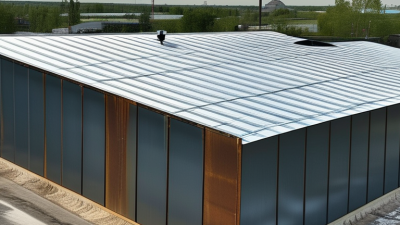
Roofing and wall panels face different stresses. Roofs endure ultraviolet radiation, standing water, temperature swings, and maintenance traffic. Walls may face splashback, cleaning chemicals, or trapped moisture near fasteners. Check color retention and chalking data using recognized test methods, such as ISO 16474 for accelerated weathering. Results are useful, but imperfect. Laboratory exposure cannot reproduce every local climate.

Specify service temperature, humidity, pollution, salt exposure, and cleaning practices. Then compare warranty assumptions with actual site conditions. A low-cost coating can become expensive after premature fading or edge corrosion. The best choice is rarely the thickest option. It is the system whose tested properties fit the building’s real exposure.

How to Choose Prepainted Steel for Your Project

Match material properties to climate and service conditions

Representative planning indicators show why material selection should reflect the local environment. Humid or coastal exposure generally requires stronger corrosion protection, while high ultraviolet exposure calls for a coating system with strong color and gloss retention. Cold continental conditions place greater emphasis on flexibility, impact resistance, and resistance to repeated freeze–thaw cycles. Actual product selection should be verified against project-specific exposure, service life, and applicable standards.

Evaluate Suppliers, Certifications, Lead Times, and Total Cost

How to Choose Prepainted Steel for Your Project

Choosing prepainted steel starts with supplier evidence, not a glossy color card. Ask for coil-coating records, batch traceability, substrate grade, coating mass, paint system, and warranty exclusions. ASTM A755/A755M covers prepainted metallic-coated steel for exterior building products. Request test results for adhesion, reverse impact, salt spray, and gloss retention. These tests reveal performance, but they do not replace exposure analysis. Coastal air, roof pitch, cut edges, and trapped moisture can change the outcome.

Certifications deserve careful reading. ISO 9001 supports documented quality controls, while ISO 14001 addresses environmental management. A third-party ISO 14025 environmental product declaration can improve lifecycle comparisons. The International Energy Agency reports that iron and steel production creates around 7% of global carbon dioxide emissions. This makes recycled content, coating efficiency, and service life financially relevant. Check whether certificates cover the actual plant and product. Paperwork can look impressive but expire quietly.

Lead time should be priced as a risk. Get written dates for color approval, coil allocation, slitting, production, inspection, and delivery. Ask about capacity during seasonal peaks. A two-week delay can stop panels, cranes, and installers. Compare total cost, including freight, minimum coil quantities, storage, touch-up materials, rejected sheets, maintenance, and replacement risk. The lowest invoice may become the highest project cost. Recheck every assumption before signing.

Confirm Specifications Through Sampling, Testing, and Final Inspection

How to Choose Prepainted Steel for Your Project

A reliable choice starts with a clear specification, not a attractive color sample. Define the steel grade, thickness, coating type, paint system, gloss, and color tolerance. Ask for production samples from the intended coil, not only a catalog card. Examine both sides under daylight and indoor lighting. Small differences can become obvious across a large wall.

Tips: Keep sealed samples with labels, dates, and batch references. Test coating adhesion, hardness, bend performance, and film thickness through a qualified laboratory. For exterior applications, request corrosion and weathering data relevant to the project location. Check whether the reported results match the exact substrate and paint system. One mistake I still remember involved testing a similar sample instead of the actual material. The paperwork looked correct. The installed panels did not perform as expected.

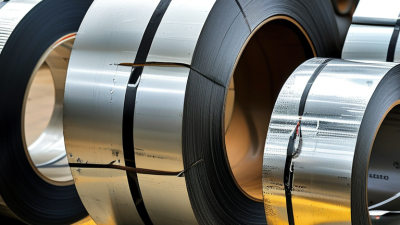
Before shipment, inspect the finished coils or panels carefully. Measure thickness at several points, verify dimensions, and compare the color against the approved sample. Look for scratches, edge damage, uneven coating, oil marks, and protective-film problems. Record photographs and inspection results before loading. A final inspection cannot repair poor specification, but it can stop an avoidable delivery. Leave room for review; real projects often reveal details missing from the first request.