Top 10 I Beam Construction Manufacturers Worldwide
Choosing the right partner for I Beam Construction requires more than comparing prices or browsing glossy catalogs. Structural performance depends on steel quality, production consistency, engineering support, and delivery reliability. This guide introduces ten leading I-beam construction manufacturers worldwide, based on practical evaluation criteria rather than reputation alone.
The review considers manufacturing capacity, material standards, product range, certification, customization, and documented project experience. It also examines details that buyers often notice later, such as flange straightness, weld quality, surface protection, and packaging during transport. These factors can influence installation speed and long-term structural performance. Small details matter.
Where available, the discussion refers to technical documentation, recognized quality systems, and public company information. However, rankings are never permanent. Market conditions change, factories expand, and regional supply chains can weaken unexpectedly. A manufacturer with excellent products may still struggle with local delivery or technical communication. That limitation deserves attention.
Readers should treat this list as a practical starting point, not a substitute for engineering review. Load requirements, environmental exposure, fire protection, and applicable building standards must be checked for every project. The strongest supplier is not always the largest one. It is the company that can provide traceable materials, dependable advice, and consistent support from quotation to installation. This article aims to make that comparison clearer, while acknowledging that real project conditions may challenge even careful assessments.
Definition and Role of I-Beams in Modern Construction
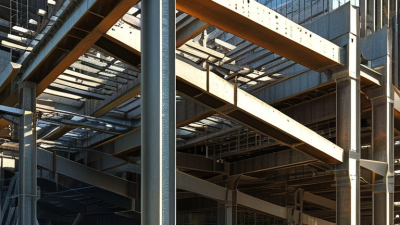
An I-beam is a structural member with two horizontal flanges connected by a vertical web. Its shape resembles the capital letter “I.” The flanges resist bending, while the web mainly carries shear forces. This efficient arrangement places more steel away from the neutral axis, increasing strength without unnecessary weight.
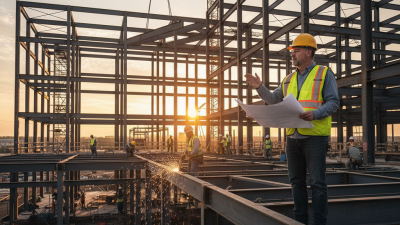
In modern construction, I-beams support floors, roofs, bridges, and industrial platforms. On a building site, a crane may lift a twelve-meter beam into position, where bolted or welded connections transfer loads into columns. Engineers select the section according to span, load, deflection limits, fire requirements, and local standards. Material quality matters. So does fabrication accuracy.
A beam can look massive and still be unsuitable. A small connection error may create serious stress. Corrosion near a flange edge can also reduce long-term performance. Experienced inspectors check dimensions, welds, bolt tension, and protective coatings before installation. Computer models improve design decisions, but they cannot replace site observations. That point is sometimes underestimated. Manufacturers must maintain traceable testing, consistent rolling processes, and clear certification records. Yet specifications are not always perfect; unusual vibration, future equipment, or construction damage may require engineers to reconsider the original choice.
Key Criteria for Comparing Global I-Beam Manufacturers
When comparing global I-beam manufacturers, start with evidence, not catalog photography.
Review steel grades, flange and web tolerances, straightness, and declared yield strength. Ask for heat numbers linked to mill certificates and independent test reports. This chain of records shows whether a quoted section can be traced from furnace to shipment. It also exposes vague claims. Small details matter.
Production capability should match the project’s risk and schedule.
Inspect rolling-mill capacity, section-size range, furnace control, and calibration routines. A supplier may offer a low price but lack stable output for heavy sections. Check ultrasonic testing, surface inspection, sampling frequency, and nonconformance procedures. Confirm compliance with required regional standards, marking rules, and documentation language. Ask how damaged bundles are quarantined before dispatch. Do not assume consistency.
Commercial comparison needs more than a delivered-ton price.
Evaluate lead times, port options, packaging, insurance responsibilities, and response times when dimensions change. Request references for projects with similar spans, loads, and climates. During audits, speak with quality engineers, not only sales staff. Clear answers often predict smoother deliveries. Yet no checklist is perfect. Weather delays, steel-price swings, and revised drawings can still disrupt a sound plan. Recheck assumptions before signing.
Top 10 I-Beam Construction Manufacturers Worldwide
Top 10 I-Beam Construction Manufacturers Worldwide
The global I-beam market supports bridges, warehouses, towers, and industrial platforms. Construction consumes nearly half of worldwide steel demand, according to the World Steel Association. Its World Steel in Figures 2024 report recorded about 1,892 million tonnes of crude steel production in 2023. This scale explains the importance of reliable I-beam manufacturers worldwide.
A useful top-ten evaluation should examine steel grade, section accuracy, production capacity, and delivery coverage. Mill certificates matter. So do welding performance, surface condition, and dimensional tolerances. The American Institute of Steel Construction and ISO standards provide practical reference points for quality control. However, public production data is uneven. No ranking is perfect. Some manufacturers report capacity, while others report completed output, making direct comparison difficult.
Tips:
Confirm the beam designation, flange thickness, steel grade, and applicable standard before ordering. Ask for recent test certificates and traceability records. Check whether the supplier can maintain consistent dimensions across large batches. A small variation can complicate site connections. Freight distance also affects cost and emissions. The World Steel Association highlights steel’s recyclability, but recycled content differs by region and furnace route. That detail deserves attention. A supplier may appear efficient, yet its energy profile remains unclear. Review independent audits, delivery history, and project references before making a final decision.
Product Standards, Materials, and Manufacturing Capabilities
Top 10 I Beam Construction Manufacturers Worldwide
For I-beam manufacturers, product standards matter more than polished catalogs. ASTM A992 commonly specifies a 345 MPa minimum yield strength and 450 MPa tensile strength. EN 10025-2 identifies S355 grades with a 355 MPa yield strength for thinner sections. These values change with thickness. Buyers should check the mill certificate, not assume every beam performs equally.
Material control begins with steel chemistry. Carbon, manganese, sulfur, and phosphorus affect weldability, toughness, and bending behavior. The World Steel Association reported approximately 1.88 billion tonnes of crude steel production in 2024. That scale supports broad supply, but it does not guarantee structural consistency. It is an easy mistake.
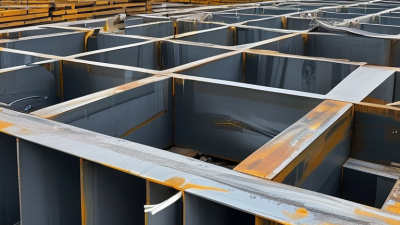
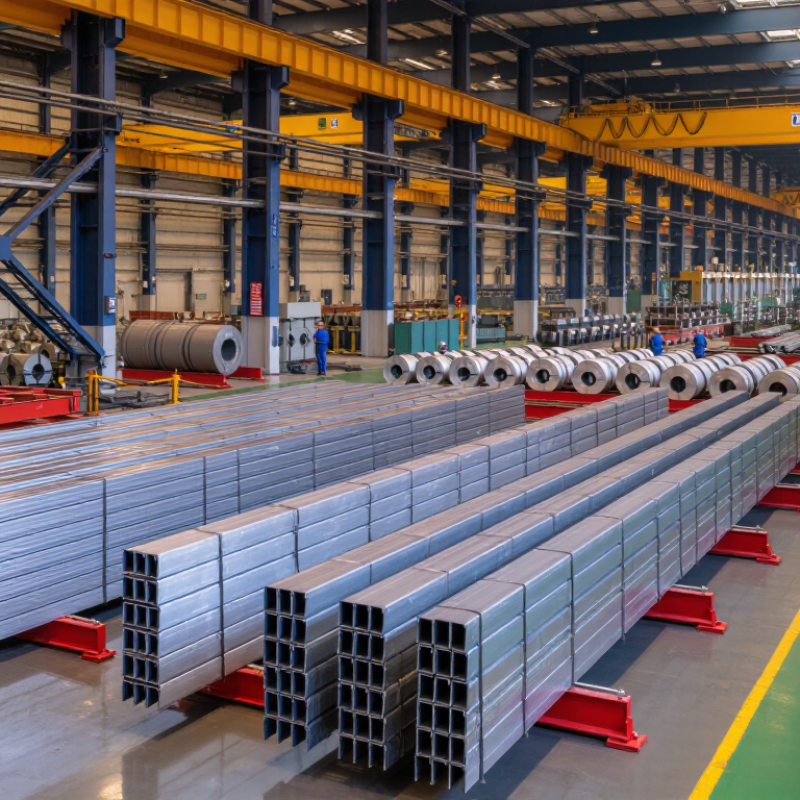
Manufacturing capability should include controlled hot rolling, section straightening, dimensional inspection, and traceable heat numbers. ASTM A6/A6M and EN 10034 define important tolerances for dimensions, mass, and shape. Experienced producers also use ultrasonic testing when project specifications require internal defect screening. ISO 9001 certification can support process discipline, although certification alone cannot prove beam quality. Ask for recent test reports, impact results where applicable, and evidence of calibration. Real projects expose weaknesses quickly. A slightly uneven flange can complicate connection plates, crane handling, and fireproofing thickness. The best comparison considers standards, available grades, section range, rolling capacity, inspection depth, and delivery reliability together.
Regional Coverage, Applications, and Selection Considerations
The global I-beam construction market is shaped by regional capacity, transport access, and project standards. Manufacturers in East Asia often support high-volume building programs, while European producers commonly emphasize documented tolerances and lower-carbon production. North American suppliers may focus on structural sections for warehouses, bridges, and industrial facilities. Regional availability matters because long-distance shipping can increase lead times, handling risks, and landed cost. In my experience, a mill with strong technical support is often more useful than a cheaper quotation.
I-beams serve as primary beams, columns, crane runway supports, mezzanine members, and bridge components. Their efficient geometry carries bending loads while reducing material compared with some solid alternatives. However, performance depends on grade, flange dimensions, welding requirements, corrosion exposure, and connection design. Coastal projects need a different protection strategy from enclosed factory floors. Local codes also influence testing, certification, fire protection, and allowable design values. A global top-ten list should be read as a starting point, not a universal verdict.
Tips:
Request mill certificates, dimensional inspection reports, and traceability records before purchase. Compare total delivered cost, not only the ex-works price. Ask whether sections can be cut, drilled, primed, or bundled to your drawings. Check production capacity against your schedule. Small delays become expensive quickly. I would also verify independent test evidence and recent project references. Selection is rarely perfect; a supplier may excel in capacity but fall short in communication. That weakness deserves attention before contracts are signed.