Top Quality Deformed Steel Bars for Global Buyers?
Deformed Steel Bars are essential in construction. According to a report by Grand View Research, the global deformed steel bars market size was valued at USD 101.01 billion in 2021. This reflects a growing demand, driven by infrastructure development and urbanization. However, not all suppliers meet the industry's standards.
Quality varies widely among manufacturers. Some offer products with inconsistent strength and durability. This inconsistency can lead to structural failures, raising safety concerns. The World Steel Association highlights that high-quality deformed steel bars must undergo rigorous testing.
Investors and builders face challenges in sourcing top-quality deformed steel bars. Supply chain issues further complicate matters. To ensure reliability, it is crucial to partner with reputable firms that adhere strictly to industry specifications. Continuous evaluation of suppliers is vital to avoid costly mistakes.
Top Quality Deformed Steel Bars: An Overview of Global Market Trends
The global market for deformed steel bars is evolving rapidly. Recent trends illustrate the increasing demand for high-quality steel products. Manufacturers are focusing on to meet diverse needs. Buyers seek durability, strength, and consistent quality. This demand drives research into better production techniques and materials.
Emerging markets play a crucial role in shaping this sector. Countries are investing in infrastructure projects that require robust steel bars. However, not all suppliers meet the established quality standards. This inconsistency raises concerns among buyers. They often face challenges in sourcing reliable products. As the competition intensifies, suppliers must adapt to survive.
Sustainability is becoming a key factor in this industry. Buyers are increasingly favoring manufacturers who prioritize eco-friendly practices. While many companies are making strides in this area, others lag behind. The focus on environmentally responsible production can lead to higher costs. This dilemma adds complexity to buying decisions, forcing buyers to weigh ethical considerations against output costs.
Key Specifications for Deformed Steel Bars: Understanding Industry Standards
Understanding the key specifications of deformed steel bars is essential for global buyers. These bars undergo a process that enhances their mechanical properties. This results in higher tensile strength and better bonding with concrete. According to the International Iron and Steel Institute, demand for deformed bars is expected to grow by 3.5% annually.
Industry standards are vital. The American Society for Testing and Materials (ASTM) outlines specifications like ASTM A615. This standard focuses on grades, yield strengths, and chemical composition. Typically, deformed bars are categorized into Grade 40, 60, and 75, based on yield strength measured in ksi. Many purchasers overlook these specifications, risking inadequate material quality.
Global buyers must also consider local standards. These can vary significantly from region to region. Inconsistencies in quality control could lead to structural weaknesses. Some suppliers may not meet specified criteria, leaving buyers vulnerable to non-compliance issues. Thorough verification of certification documents is often neglected, which can have serious consequences.
Market Demand for Deformed Steel Bars: Regional Insights and Statistics
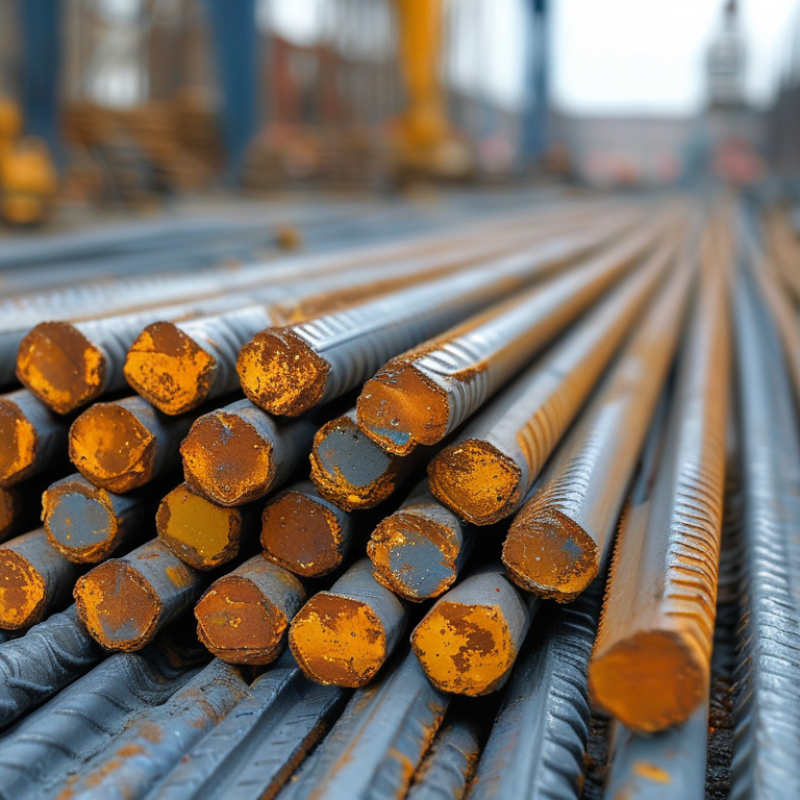
The global demand for deformed steel bars has been steadily increasing, with numerous regions showcasing significant growth statistics. Construction remains the primary driver of this demand. For instance, developing countries are ramping up infrastructure projects, leading to a surge in steel bar usage. These bars, known for their ribbed surfaces, offer enhanced bonding in concrete structures, which is crucial for stability.
Regional insights reveal varying levels of consumption. The Asia-Pacific region, particularly, leads in production and consumption. Urbanization in countries like India and China pushes the need for quality steel. In contrast, North America shows a steady demand, driven by renovations and improvements in existing infrastructure. Although European countries show stability, a potential economic slowdown could impact their consumption patterns.
Challenges persist in ensuring consistent quality across different suppliers. Fluctuations in raw material pricing can affect manufacturing processes. Buyers may find it difficult to navigate these changes. It’s essential to prioritize sourcing from reliable manufacturers. Regional economic shifts can also impact market dynamics. Buyers should stay informed to make sound procurement decisions.
Market Demand for Deformed Steel Bars by Region
Comparative Analysis of Manufacturers: Quality and Pricing Strategies
The market for deformed steel bars is vast and competitive. Manufacturers worldwide strive to balance quality and pricing strategies. Quality often depends on raw materials and production techniques. Many companies use high-grade steel, while others cut costs, affecting durability. This disparity raises concerns for buyers seeking reliable products.
Pricing strategies vary significantly among manufacturers. Some focus on premium pricing, targeting clients who prioritize quality. Others offer competitive pricing to capture market share, which can lead to compromises on standards. Buyers need to evaluate the long-term benefits of each approach. An affordable steel bar may save upfront costs, but its performance could lead to future expenses.
Trust is vital in this industry. Buyers should seek manufacturers with credible certifications and positive feedback. Gathering testimonials can help assess reliability. Transparency in sourcing and production processes also enhances trust. Reflecting on these factors may help buyers make informed decisions. Consideration of potential risks is crucial in obtaining the best value.
Top Quality Deformed Steel Bars for Global Buyers? - Comparative Analysis of Manufacturers: Quality and Pricing Strategies
| Manufacturer Type |
Country |
Quality Rating |
Price per Ton (USD) |
Supply Capacity (Tons/Month) |
| Domestic Manufacturer |
USA |
A |
750 |
5000 |
| International Manufacturer |
China |
B |
650 |
10000 |
| Local Manufacturer |
India |
B+ |
700 |
3000 |
| Export Manufacturer |
Turkey |
A- |
780 |
8000 |
| Premium Manufacturer |
Germany |
A+ |
850 |
2000 |
Sustainability in Deformed Steel Bar Production: Eco-friendly Practices
Sustainability in deformed steel bar production is crucial in today's construction industry. The production process can consume significant energy and resources, contributing to high carbon emissions.
According to the World Steel Association, the steel industry accounts for about 8% of global CO2 emissions. This statistic emphasizes the urgent need for eco-friendly practices.
Many manufacturers are now adopting innovative techniques to reduce their environmental impact. For example, using electric arc furnaces (EAF) instead of traditional blast furnaces can lower energy consumption by up to 75%. EAF production largely relies on scrap steel, promoting recycling in the industry. This approach not only conserves resources but also reduces landfill waste.
However, challenges remain. Not all regions have access to renewable energy sources required for sustainable steel production. Additionally, the shift towards greener practices requires significant investment, which may deter some companies. Balancing competitiveness and sustainability is a complex task, but necessary for long-term industry health. As the demand for quality deformed steel bars continues to grow, so must the commitment to environmentally responsible manufacturing.