How to Source High Quality Steel Coil for Global Buyers?
Sourcing high quality steel coil can be challenging for global buyers. The market is vast and filled with options. However, not all steel coils are created equal. Understanding the nuances of quality is essential. Buyers must consider various factors, such as the source, production methods, and supplier reputation.
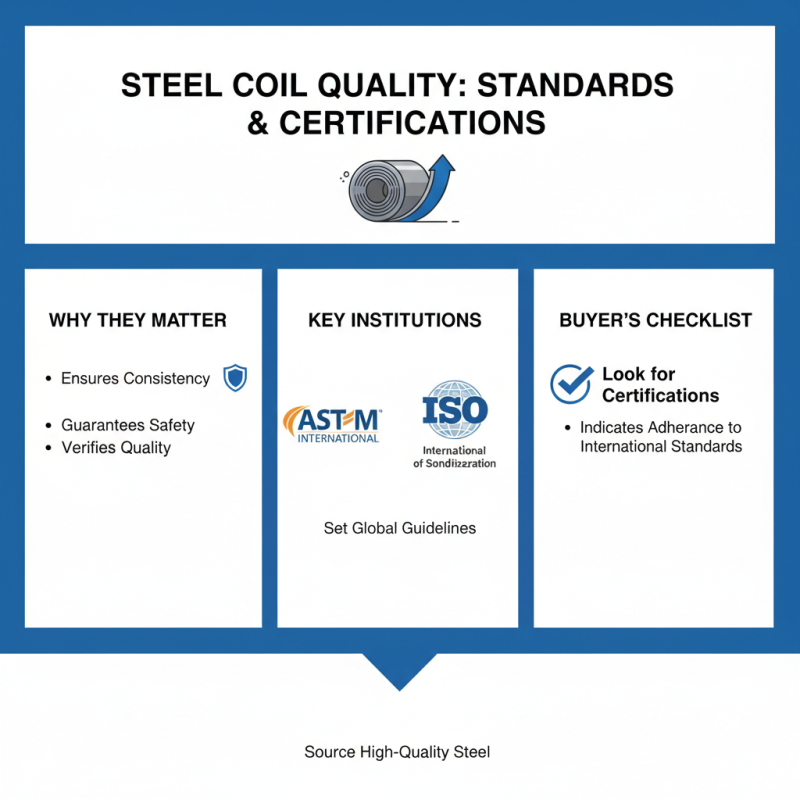
Steel coil quality directly impacts projects and costs. A poor choice can lead to structural issues and financial losses. Buyers should research suppliers thoroughly. This includes checking certifications and previous customer feedback. Engaging with industry experts can provide valuable insights into reliable sourcing options.
Identifying reputable manufacturers is crucial. Buyers may find it difficult to distinguish between quality products. Ensuring the selected steel coil meets industry standards is vital. Mistakes in this area can affect long-term success. Reflecting on past sourcing experiences will guide better decisions in the future.
Understanding Steel Coil Types and Specifications for Global Buyers
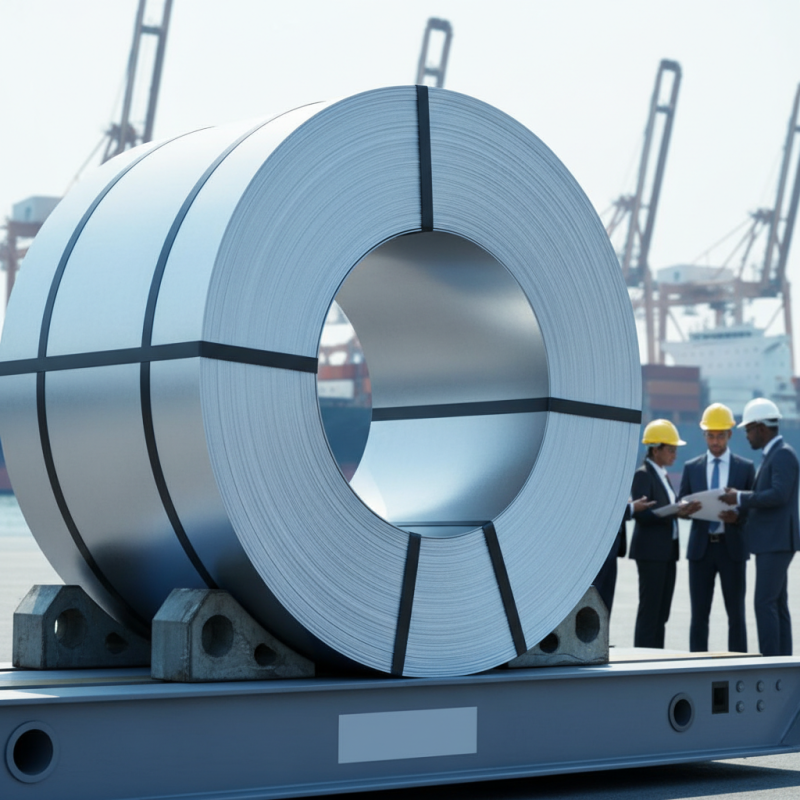
Understanding the types and specifications of steel coils is crucial for global buyers. Steel coils come in various grades and finishes, each serving distinct purposes. Hot-rolled and cold-rolled coils are two primary types. Hot-rolled coils are commonly used in construction. Cold-rolled coils, on the other hand, offer a smoother finish, making them ideal for automotive applications.
Specifications such as thickness, width, and coating options can significantly impact the final product. Buyers often overlook these details, which can lead to compatibility issues. It's essential to insist on precise measurements and standards. Furthermore, understanding the difference between galvanized and non-galvanized options is vital. Galvanized steel is resistant to corrosion, extending the lifespan of products made from it.
Many buyers may initially focus solely on price. This could result in compromising on quality. It's essential to assess the supplier's background and their certification status. Research on various steel grades adds another layer of confidence. Factors like delivery time and after-sales service should not be ignored. Engaging with suppliers who demonstrate transparency can build a reliable purchasing experience.
Identifying Reputable Steel Coil Suppliers in the Global Market
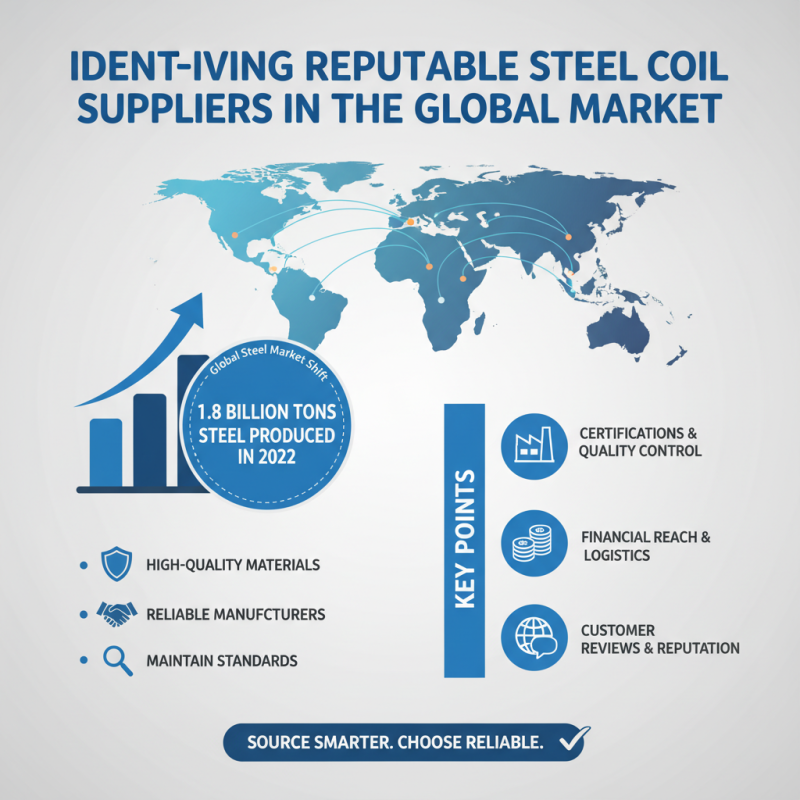
When sourcing high-quality steel coils, identifying reputable suppliers is crucial. The global steel market has witnessed a significant shift, with over 1.8 billion tons of steel produced in 2022 alone. This figure emphasizes the need for buyers to connect with reliable manufacturers who maintain high standards.
Research shows that around 70% of buyers prefer suppliers who comply with international quality certifications, including ISO 9001. These standards ensure the steel coils meet stringent quality requirements. Engage with suppliers who provide transparent information about their production processes and adhere to sustainable practices. This may require direct communication and site visits.
Price should not be the sole determining factor. Some low-cost suppliers may compromise on quality. A notable point is that 58% of buyers reported issues with product consistency from budget suppliers. Consider suppliers with proven track records, positive review ratings, and years of experience. Conducting background checks can eliminate risks and lead to fruitful partnerships.
Strategies for Negotiating Prices and Terms with Steel Suppliers
Negotiating prices and terms with steel suppliers can significantly impact your sourcing strategy. Building a strong relationship is essential. Approach suppliers with a clear understanding of your needs. Know the specifications of the steel coil required for your projects. This transparency fosters trust and encourages suppliers to offer better terms.
When discussing prices, stay informed about market trends. Use recent price indices as benchmarks to negotiate effectively. Ask for detailed quotes that break down costs. This practice helps identify areas where you can seek further discounts or favorable terms. Additionally, consider setting up long-term contracts. This can lead to more stable pricing and ensure supplies throughout your projects.
Don't hesitate to ask for multiple quotes from different suppliers. This creates a competitive environment that can drive prices down. Being prepared to walk away shows you are serious about getting the best deal. However, reflect on the reliability and quality of the suppliers. It’s not only about price but also about ensuring consistent quality in the long run. Keep the communication channels open and be transparent about your requirements to maintain a beneficial partnership.
Steel Coil Quality Comparison
This chart compares the quality ratings of various steel coil types based on global buyer preferences. The data reflects feedback on different specifications, highlighting the importance of sourcing high-quality materials for competitive pricing.
Logistics and Shipping Considerations for Importing Steel Coils
When importing steel coils, logistics and shipping considerations are crucial. A well-planned logistics strategy can significantly impact efficiency and cost. Considerations include packaging, containerization, and distribution channels.
Proper packaging protects steel coils from damage during transit. Additionally, choosing the right container type ensures the safe transport of heavy materials.
Understanding shipping routes and timelines is vital. Delays can occur due to unforeseen circumstances, such as weather or port congestion. Monitoring your shipments in real-time allows for better decision-making. However, finding reliable carriers may be challenging. Researching their track record can help assure timely delivery.
Customs clearance also poses potential hurdles. Ensuring all documents are in order reduces delays at the border. Working with experienced customs brokers can ease this process. Take the time to understand each step of the import process. Ignoring details can lead to costly mistakes.