China Top Steel Plate Suppliers for Global Buyers?
The global steel plate market is experiencing significant growth, driven by the demand for infrastructure and construction projects worldwide. According to a recent report from the World Steel Association, global steel production reached around 1.9 billion metric tons in 2022, with steel plates accounting for a notable share of this output. China stands out as a leading player in this industry, supplying high-quality steel plates to various international markets.
Chinese suppliers are often favored for their competitive pricing and advanced manufacturing technologies. Companies like Baosteel and Hebei Iron and Steel Group have established themselves as top exporters in this sector. However, there are challenges, including fluctuating raw material prices and environmental regulations. The need for sustainable practices is becoming more pressing, affecting supply chains globally.
As buyers seek reliable sources, understanding the credentials of steel plate suppliers is crucial. Evaluating their experience and adherence to quality standards can ensure a positive procurement process. This landscape highlights both opportunities and complexities, prompting buyers to make informed decisions while navigating the diverse market offerings.
Overview of China's Steel Plate Industry and Major Suppliers
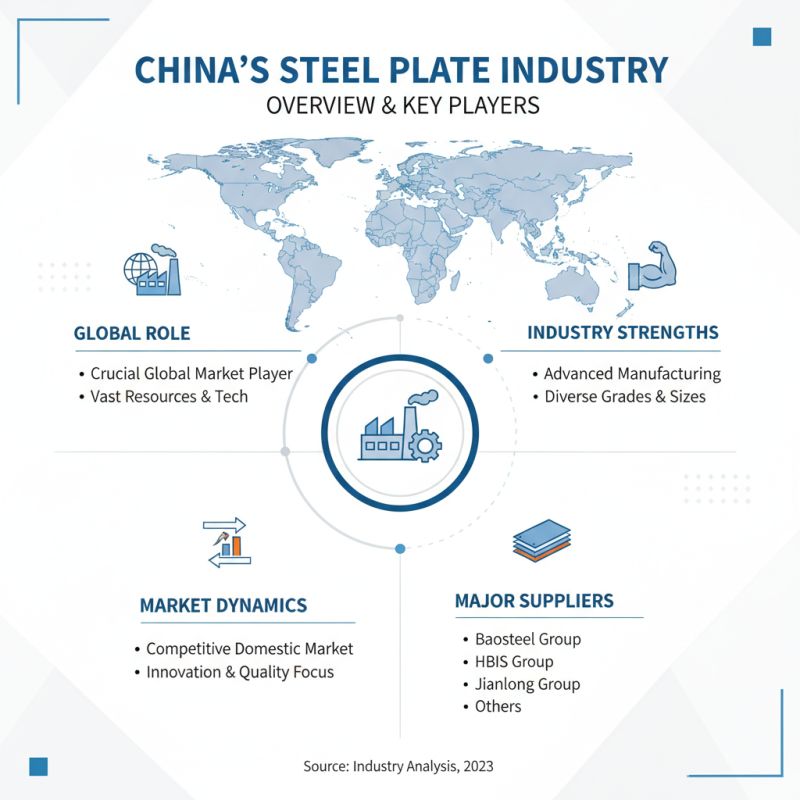
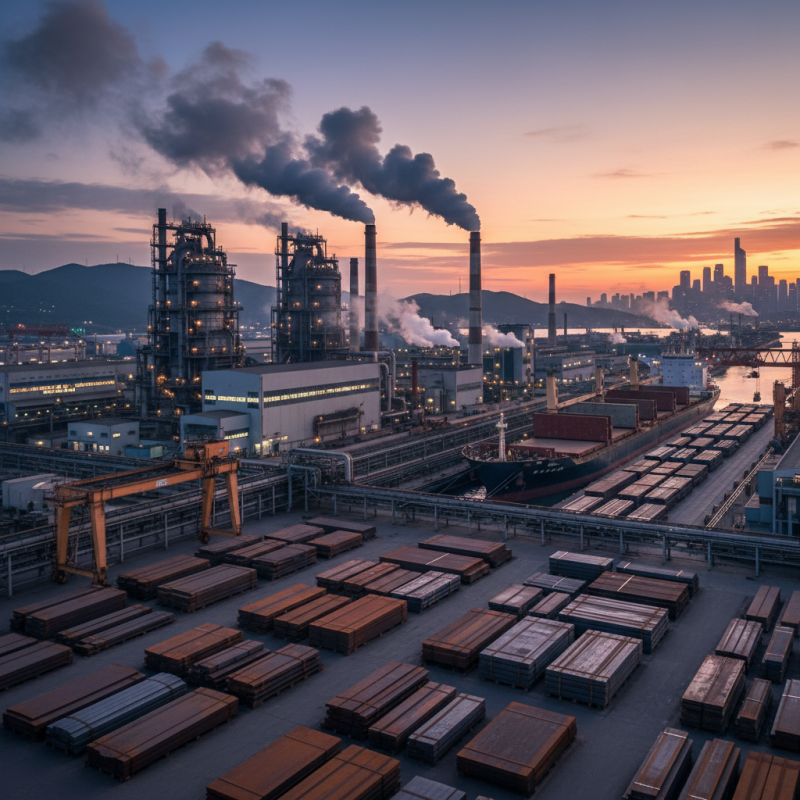
China has a robust steel plate industry that plays a crucial role in the global market. This sector benefits from China's vast resources and advanced manufacturing technology. Many suppliers in this industry cater to diverse needs, offering various grades and sizes of steel plates. The domestic market is competitive, driving innovations and improving quality.
Several major suppliers stand out due to their production capacities and export capabilities. These companies focus on specific applications, producing structural plates for construction, marine vessels, and automotive industries. However, issues like fluctuating raw material costs and environmental regulations can affect their operations. Buyers must understand these dynamics to make informed decisions.
While China's steel plate industry is a leader, it faces challenges. Quality inconsistencies may arise, impacting buyer trust. Additionally, the international market’s evolving demands necessitate adaptability among suppliers. Companies must prioritize transparency and customer feedback to enhance reliability. Understanding these factors can help global buyers navigate their sourcing strategies effectively.
Key Attributes of Top Steel Plate Suppliers in China
When evaluating top steel plate suppliers in China, specific attributes help differentiate the best in the market.
Quality assurance is paramount. Many suppliers rely on certifications like ISO 9001, which ensures compliance with international standards.
In 2022, it was reported that companies with these certifications showed a 20% decrease in supply chain disruptions, according to market research.
Another essential factor is production capacity. Some leading suppliers operate at a capacity exceeding 1 million tons per year.
This capacity allows them to meet global demand and maintain competitive pricing.
However, high output can lead to quality inconsistencies if not managed properly.
A study highlighted that 15% of steel products fail quality checks from bulk suppliers, emphasizing the need for rigorous quality control measures.
Sustainability has become a crucial consideration as well. Many suppliers are adopting eco-friendly practices, such as using recycled materials and reducing carbon emissions.
A report indicated that sustainable practices can boost a supplier's reputation by up to 30%. Yet, balancing sustainability with cost remains a challenge.
The evolving landscape of steel production must account for both environmental impact and economic viability.
Market Trends and Demand for Chinese Steel Plates Globally
The demand for Chinese steel plates continues to rise globally. According to the World Steel Association, China produced over 1 billion tons of steel in 2022. The increasing infrastructure investments in Asia and Africa drive this demand. Additionally, the construction sector, notably in developing countries, relies heavily on affordable and high-quality steel plates from China.
Market trends indicate a shift towards sustainability. Buyers seek manufacturers adhering to green production guidelines. Reports indicate that over 60% of global buyers prioritize sustainable sourcing. Moreover, the Asian market is expected to grow by 5% annually, reflecting an ongoing interest in Chinese steel plates. However, the challenge lies in quality control. Some suppliers struggle to meet international standards consistently, leading to a mixed reputation.
**Tips:** Assess suppliers based on their certifications. Verify their production processes. Research buyer reviews to gauge reliability. Focus on those with a proven track record in global markets. This approach helps mitigate risks associated with quality discrepancies.
Global Demand for Chinese Steel Plates (2023)
This bar chart represents the projected global demand for Chinese steel plates across various regions in 2023. The data illustrates the rising interest from international markets, highlighting Asia, Europe, and North America as the top regions seeking Chinese steel products.
Comparison of Steel Plate Products from Leading Chinese Suppliers
When examining the global steel plate market, China's suppliers stand out due to their extensive production capabilities and competitive pricing. Recent reports indicate that China produces over 50% of the world's steel, making its contributions crucial. Suppliers in China offer a variety of steel plates, including hot-rolled, cold-rolled, and weather-resistant options. The diverse product range caters to industries like construction, automotive, and shipping.
Quality is an essential factor in the selection process. While many Chinese suppliers provide competitively priced products, quality can vary. According to industry studies, nearly 20% of imported steel plates face quality issues, leading to significant project delays. Reliability in shipping and adherence to international standards remain key challenges for some suppliers. This variability requires potential buyers to conduct thorough assessments, ensuring a balance between cost and quality.
Furthermore, buyers should consider suppliers' certifications and track records. Reports show that companies with internationally recognized certifications show lower rates of defects and higher customer satisfaction. The complexities within this market can make decision-making difficult. It’s vital for organizations to not only focus on price but also understand the broader implications of quality and service.
China Top Steel Plate Suppliers for Global Buyers
| Supplier Location |
Product Type |
Thickness |
Width |
Length |
Certification |
Min Order Quantity (MOQ) |
| Shanghai |
Carbon Steel Plate |
6 mm |
2000 mm |
6000 mm |
ISO 9001 |
5 tons |
| Tianjin |
Stainless Steel Plate |
3 mm |
1000 mm |
3000 mm |
CE |
10 tons |
| Hangzhou |
Alloy Steel Plate |
10 mm |
1200 mm |
4000 mm |
API |
8 tons |
| Guangzhou |
Hot Rolled Steel Plate |
5 mm |
1500 mm |
5000 mm |
JIS |
20 tons |
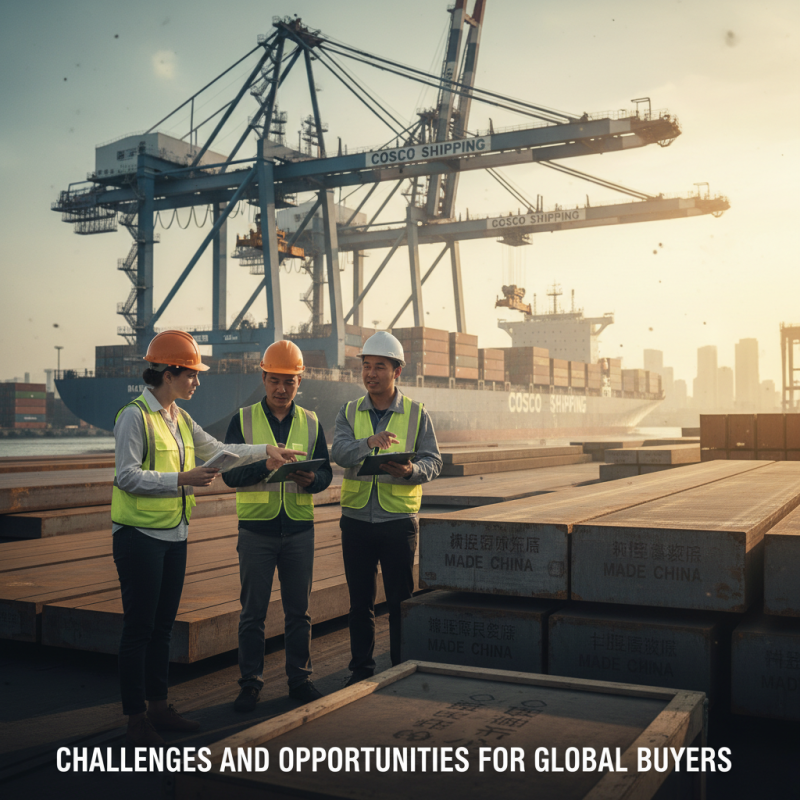
Challenges and Opportunities for Global Buyers of Chinese Steel Plates
In recent years, global buyers have increasingly turned to Chinese steel plate suppliers. The reasons are apparent. China offers a vast range of products at competitive prices. However, navigating this market comes with its own set of challenges. Buyers often face quality consistency issues. Not all suppliers meet the same standards. This can lead to significant problems in production.
Another challenge is communication. Language barriers can complicate negotiations. Buyers may struggle to convey their needs clearly. Cultural differences further add to this complexity. Understanding local business practices is essential. Buyers must invest time in building relationships with suppliers.
Yet, opportunities abound for those willing to adapt. China's steel industry is continually innovating. New technologies improve production efficiency and sustainability. Buyers who actively engage with reliable suppliers can secure high-quality materials. They may also benefit from favorable pricing. Ultimately, while the road may be fraught with challenges, the potential rewards make it worthwhile for discerning global buyers.