Top 10 Steel Wire Manufacturers in China for Global Buyers?
The steel wire industry plays a vital role in the global economy. Steel wire is used in construction, manufacturing, and even agriculture. This demand drives manufacturers to enhance their production capabilities and quality standards. China is home to numerous steel wire manufacturers, known for their innovation and quality.
In this article, we explore the top 10 steel wire manufacturers in China. Each manufacturer brings unique features to the table. Some focus on high-quality materials, while others prioritize cutting-edge technology. There’s a growing need to evaluate these companies critically. Buyers should consider their specific requirements before making a choice.
The competitive landscape might feel overwhelming. However, understanding the strengths of each company can aid in decision-making. Global buyers can benefit from insights about reliability, production output, and sustainability practices. As we delve deeper, reflect on how these aspects can influence future choices in the steel wire market.
Overview of Steel Wire Manufacturing Industry in China
The steel wire manufacturing industry in China plays a crucial role in the global market. As of 2023, China accounts for around 50% of the world's total steel output, making it a key player. The Chinese steel wire market is expected to grow, driven by infrastructure and construction needs. Reports indicate that the demand for steel wire is projected to increase by 6% annually over the next five years, indicating robust industry health.
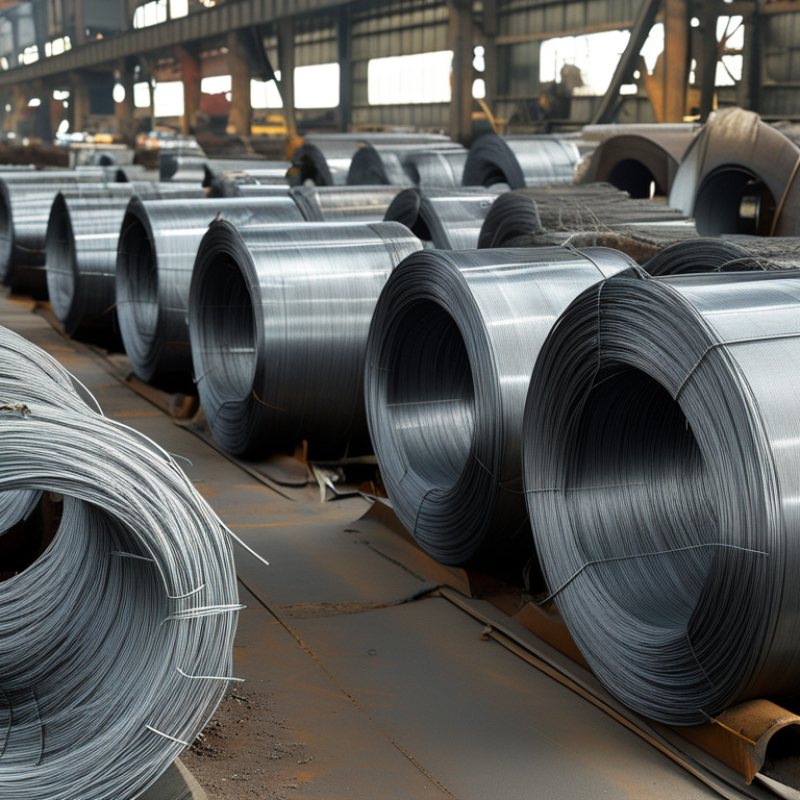
In this dynamic environment, it is essential for buyers to understand the characteristics of local manufacturers. Steel wire production involves complex processes, including drawing, galvanizing, and more. Each of these steps impacts the product's quality and specifications. Additionally, economic fluctuations and regulatory changes can influence production capabilities. Therefore, potential buyers should be cautious and conduct thorough research before making decisions.
Tips: Consider visiting manufacturing sites to observe processes firsthand. Engage with suppliers to understand their production standards. Transparency in operations is a positive sign. Always compare product specifications to ensure they meet your needs. Quality can significantly differ even among reputable manufacturers.
Key Factors for Choosing a Steel Wire Manufacturer
When selecting a steel wire manufacturer, several key factors come into play. The first is production capacity. A manufacturer should have the ability to scale output based on demand. According to industry reports, the average capacity of top manufacturers ranges from 50,000 to 200,000 tons per year. This range is crucial for buyers seeking reliability and supply chain stability.
Quality assurance is another critical factor. Manufacturers must adhere to international standards such as ISO 9001. This certification demonstrates a commitment to quality management. In studies, companies that enforce strict quality controls report a 30% reduction in defective products. Buyers must consider these metrics to avoid potential losses.
Lastly, consider the technological advancements employed by the manufacturer. Automated production lines and advanced quality monitoring systems can enhance efficiency and consistency. However, not all manufacturers invest equally in technology. A report indicates that nearly 40% of manufacturers lag in automation, which can lead to inconsistencies in product quality. This is a significant aspect for buyers to evaluate, as it affects overall competitiveness in the market.
Top 10 Leading Steel Wire Manufacturers in China
China is home to many prominent steel wire manufacturers that cater to global markets. These companies provide a broad range of products, including stainless steel, carbon steel, and specialty wire. It's important to understand that while many manufacturers offer quality products, the best choice depends on specific needs.
When choosing a supplier, consider their production capabilities. Some may excel in volume, while others focus on high-precision items. Testing product samples can also give insights into quality. Communication is essential too; a responsive supplier can make the purchasing process smoother.
Tips: Check for certifications like ISO. These indicate adherence to international standards. Collaborating with an experienced agent may help you navigate the supplier landscape effectively. Also, look for companies with strong after-sales support. This can be crucial for resolving any issues that arise post-purchase.
While many companies claim excellence, it’s wise to do thorough research. Not all manufacturers deliver the same quality consistently. Look for reviews and testimonials. Keeping an open line of communication with potential suppliers is key to building trust.
Comparative Analysis of Product Quality and Pricing
When examining the steel wire manufacturing industry in China, product quality is a dominant concern for global buyers. Reports indicate that over 70% of Chinese manufacturers indicate they follow strict ISO standards. However, variances in material sources can lead to discrepancies in final product performance. Buyers often find that cheaper products may compromise durability and tensile strength. In fact, a recent study highlighted that nearly 30% of low-cost steel wires failed to meet the required specifications.
Pricing strategies are another critical aspect to consider. With the global steel market fluctuating, Chinese manufacturers frequently adjust prices based on raw material costs. Many offer competitive pricing, but this may reflect different quality levels. For instance, while some manufacturers provide lower prices, assessments show that they might use inferior alloys in their wires. Global buyers should analyze the cost-effectiveness of these options by examining not only the initial price but also the longevity and performance of the products.
Customers also need to scrutinize customer feedback and product reviews. Many reports suggest that quality perception can vary among different regions and industries. Buyers in the automotive sector, for example, prioritize quality over price, while construction industries might favor lower costs. This discrepancy highlights the need for comprehensive market research before making decisions. Quality cannot be overlooked, and the right balance can greatly affect overall business success.
Top 10 Steel Wire Manufacturers in China for Global Buyers
| Manufacturer Type |
Product Quality Rating |
Price Range (USD) |
Annual Production Capacity (tons) |
Export Experience (Years) |
| Type A |
4.5/5 |
800 - 1200 |
50000 |
10 |
| Type B |
4.7/5 |
900 - 1100 |
60000 |
8 |
| Type C |
4.3/5 |
750 - 950 |
45000 |
15 |
| Type D |
4.6/5 |
1000 - 1300 |
70000 |
12 |
| Type E |
4.4/5 |
850 - 1050 |
55000 |
9 |
| Type F |
4.2/5 |
700 - 900 |
50000 |
7 |
| Type G |
4.8/5 |
1100 - 1500 |
80000 |
14 |
| Type H |
4.1/5 |
680 - 820 |
40000 |
5 |
| Type I |
4.9/5 |
1300 - 1700 |
90000 |
20 |
| Type J |
4.0/5 |
600 - 800 |
30000 |
6 |
Market Trends and Future Outlook for Steel Wire Exports
The steel wire industry in China is witnessing significant growth, driven by rising global demand. According to the China Steel Industry Development Report, production capacity increased by 8% in the last year. This change reflects heightened requirements in various sectors, including construction and automotive industries.
The Asia-Pacific region remains the largest market for steel wire exports, contributing over 60% of the total global share.
Market trends indicate a shift towards more sustainable practices. Many manufacturers are investing in eco-friendly production methods. Reports from the China Metallurgical Industry Plan highlight that adopting these practices is expected to improve product quality and reduce emissions. Buyers should consider engaging with manufacturers focused on sustainability; this can improve long-term partnerships.
Tip: When sourcing steel wire, prioritize companies with positive environmental footprints. This reflects not only social responsibility but can also enhance your supply chain resilience. Analyzing shipping patterns is vital; delays can greatly affect project timelines, leading to additional costs. Always keep an eye on emerging technologies in steel production, as they often influence pricing and availability.