What are the Benefits of Choosing Carbon Steel for Your Projects?
Carbon Steel is becoming increasingly popular in various industries. Its remarkable versatility and strength make it ideal for numerous applications, from construction to automotive manufacturing. According to a report from the World Steel Association, carbon steel accounts for over 90% of global steel production. This statistic underscores its significance in modern engineering and project management.
One of the key advantages of Carbon Steel is its cost-effectiveness. Compared to other types of steel, it is more affordable without sacrificing quality. Many industry leaders agree on this point. A study by the American Iron and Steel Institute found that projects using Carbon Steel can reduce material costs by up to 30%. Additionally, its mechanical properties lend well to various fabrication processes, making it easier to mold and shape.
However, there are challenges with Carbon Steel. It can be prone to corrosion if not treated properly, which can impact its longevity. It’s essential to consider environmental factors and implement protective measures. Constant innovation in alloying techniques is helping overcome these issues. The balance between cost, performance, and maintenance remains a key area for ongoing research. Understanding these aspects is crucial when choosing materials for your projects.
Benefits of Carbon Steel in Structural Applications
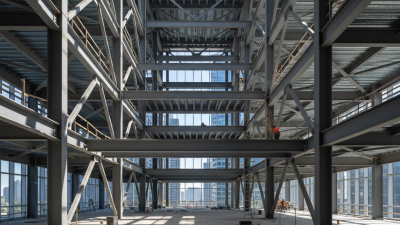
Carbon steel is gaining traction in structural applications due to its remarkable benefits. Its durability and strength make it an ideal choice for beams, columns, and frames. When subjected to stress, carbon steel maintains its integrity, ensuring the stability of structures. This resilience significantly reduces maintenance costs over time. Additionally, carbon steel is versatile. It can be easily shaped and welded, allowing for innovative designs.
When considering carbon steel for your projects, keep these tips in mind. Always assess the specific carbon content required. Higher carbon content can increase strength but may reduce ductility. Choose the right type of carbon steel depending on your application needs. Some variations like mild steel are excellent for general use, while high-carbon steels are suitable for applications requiring increased strength.
In practice, carbon steel can show imperfections. It can rust if not properly coated or maintained. Regular inspections and protective measures are vital to avoid structural issues. Understanding these nuances allows for smarter project decisions, ensuring safety and longevity.
Versatility of Carbon Steel in Various Industries
Carbon steel has found its place in various industries due to its remarkable versatility. This material exhibits excellent strength and durability, making it a prime choice in construction, automotive, and manufacturing sectors. According to industry reports, carbon steel accounts for over 70% of steel production globally, underscoring its significance in large-scale projects. The material can be easily molded and shaped, allowing engineers to create intricate designs while maintaining structural integrity.
In the automotive industry, carbon steel is used extensively for producing components such as frames and motor parts. Its high tensile strength contributes to better safety and performance standards. Reports indicate that nearly 60% of the vehicle weight is attributed to carbon steel, leading to fuel efficiency improvements. Yet, its common use raises questions about long-term sustainability and recycling challenges.
Construction also benefits from carbon steel's properties. The material's adaptability allows for its application in beams, rebar, and other structural elements. However, the potential for corrosion requires careful consideration in design and maintenance plans. Industry studies highlight that the failure to address these issues can lead to costly repairs and safety hazards down the line. In all, while carbon steel remains a preferred choice, its management and application must be continually assessed to ensure long-term efficacy.
What are the Benefits of Choosing Carbon Steel for Your Projects? - Versatility of Carbon Steel in Various Industries
| Industry |
Application |
Benefits |
Carbon Steel Type |
| Construction |
Structural beams |
High strength and durability |
Mild Steel |
| Automotive |
Chassis components |
Cost-effective and lightweight |
High Carbon Steel |
| Oil & Gas |
Pipelines |
Corrosion resistant |
Alloy Steel |
| Manufacturing |
Machinery parts |
Excellent machinability |
Medium Carbon Steel |
| Construction |
Reinforcement bars |
Improves tensile strength |
Carbon-Manganese Steel |
Cost-Effectiveness of Carbon Steel for Projects
Choosing carbon steel for your projects can lead to significant cost savings. This type of steel is widely used due to its availability and affordability. Unlike stainless steel, carbon steel typically costs less per pound. This price advantage can reduce overall project expenses, especially in large-scale applications. Additionally, its versatility makes it suitable for a variety of functions, from structural support to kitchen knives.
When planning a project, consider the weight and strength of carbon steel. It offers a high strength-to-weight ratio. This means you can use thinner sheets without sacrificing durability. It’s essential, however, to evaluate if this option perfectly fits your project requirements. Sometimes, overestimating the need for heavy materials can lead to unnecessary costs.
Tip: Always compare the long-term performance of materials, not just the upfront cost. Also, consider possible maintenance expenses. Carbon steel may require coatings or treatments to prevent rust, which could add expenses down the line. Reflect on these factors carefully to achieve the best balance of cost and durability.
Durability and Strength Features of Carbon Steel
Carbon steel is known for its remarkable durability. Its impressive tensile strength allows it to withstand heavy loads and resist deformation. This is essential for construction and manufacturing projects where safety and stability are paramount. For instance, in building frameworks, carbon steel's ability to endure stress helps ensure long-lasting structures.
Another key feature is its resistance to wear and tear. Projects that involve cutting or drilling benefit from carbon steel's hardness. This characteristic extends the lifespan of tools and equipment. Additionally, carbon steel can be welded easily, enabling seamless integration into varied applications.
However, it’s important to note that carbon steel can corrode without proper treatment. Regular maintenance is necessary to mitigate rusting, especially in moist environments. Balancing its strengths with appropriate care is vital for maximizing its potential in any project.
Ease of Fabrication and Maintenance of Carbon Steel
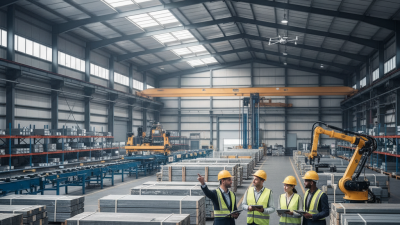
Carbon steel stands out for its ease of fabrication and maintenance. This material can be easily cut, welded, and shaped, making it a favorite among manufacturers and builders. According to industry reports, carbon steel's flexibility facilitates quicker turnaround in projects, boosting productivity. A study by the Fabricators and Manufacturers Association highlights that projects using carbon steel can see a reduction in fabrication time by up to 30%.
Maintenance is another area where carbon steel excels. It requires less intensive upkeep compared to other materials. Regular inspection and protective coatings can significantly extend its lifespan. In many cases, carbon steel structures last longer than anticipated when properly maintained. The American Iron and Steel Institute reports that with routine care, carbon steel components can function effectively for decades.
Tip: Consider implementing a regular maintenance schedule to enhance the durability of your carbon steel structures. Keeping records can help track performance over time.
Tip: Use appropriate protective coatings to guard against corrosion. This simple step can prolong the life of carbon steel and reduce costs.
While carbon steel offers numerous benefits, potential downsides exist. It is prone to rust if left unprotected, requiring vigilance from project managers. Understanding these challenges is crucial for maximizing the advantages of carbon steel.
Benefits of Choosing Carbon Steel for Your Projects
The chart above illustrates the benefits of choosing carbon steel for various projects. The dimensions present a clear comparison of five key advantages, showcasing the material's ease of fabrication, cost-effectiveness, strength and durability, corrosion resistance, and versatility. Each benefit is represented as a percentage, highlighting the significance of carbon steel in various applications.