Leave Your Message

What Are the Best Deformed Steel Bars for 2026?

Choosing the best Deformed Steel Bars for 2026 is not just a search for the highest strength grade. A bar must suit the structural design, local exposure, fabrication plan, and project quality controls. A high-rise column, a coastal foundation, and a warehouse slab may need different reinforcement choices. Details matter: rib pattern, bar diameter, bendability, weldability, and verified mill records can all affect performance. Small differences on paper can become visible at the jobsite.

Structural engineer Dr. Amit B. Varma is known for research and teaching on steel structures. A practical paraphrase of a central lesson in structural design is: “Choose reinforcement for the demands of the design, not its label alone.” That is not a verbatim quotation. It is a useful reminder to compare grades and specifications carefully, rather than treating one product as best for every project.

This guide examines the factors buyers and engineers should weigh in 2026, including strength, ductility, corrosion protection, standards compliance, and traceability. It also explains why an attractive price may not tell the full story. Ask for test certificates. Check markings against project documents. Confirm the bar suits the intended use. Not every product marketed as premium delivers the same evidence or consistency. And some choices remain uncertain until design requirements and site conditions are clear. That deserves a second look.
What Are the Best Deformed Steel Bars for 2026?

What Deformed Steel Bars Are and How Their Ribbed Design Works

What Are the Best Deformed Steel Bars for 2026?

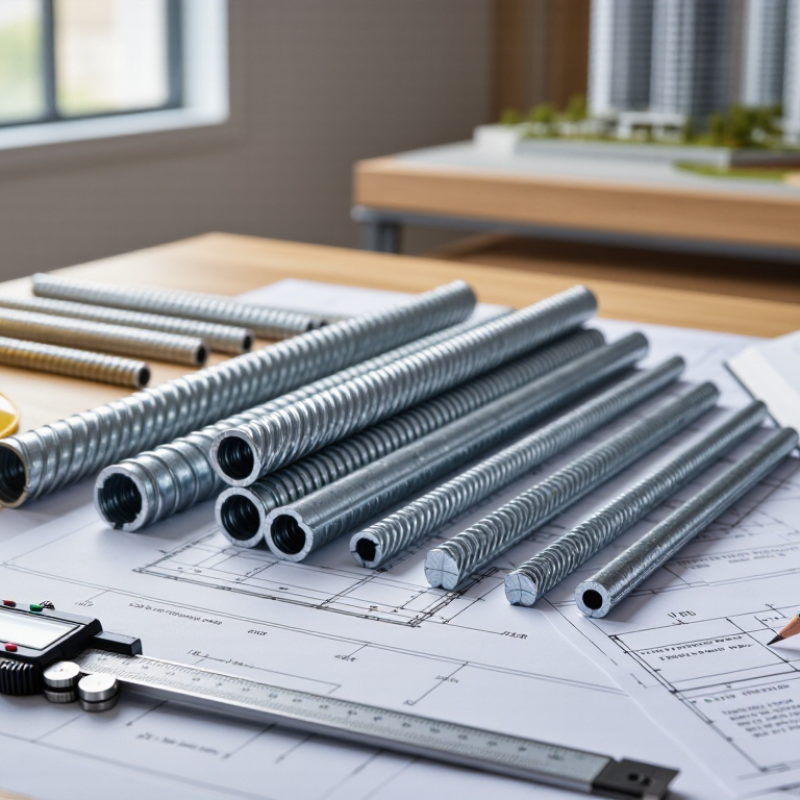
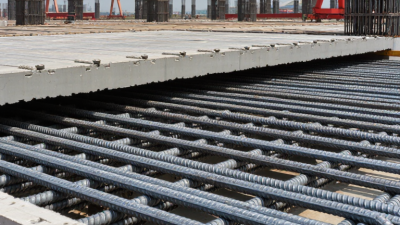
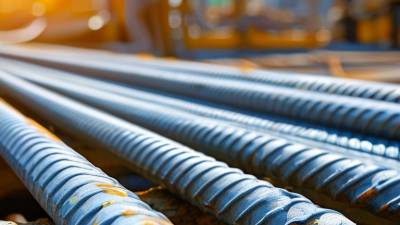
Deformed steel bars are reinforcing steel rods with raised ribs along their surfaces. Embedded in concrete, they help carry tensile forces that concrete handles poorly. The ribs improve mechanical grip, limiting the bar’s movement as the surrounding concrete hardens and bears load. They do not replace correct bar placement or sound concrete work. That matters.

Rib patterns, bar diameters, and steel grades vary by specification. A suitable bar depends on the structural drawings, required strength, exposure conditions, and applicable standards. Deeper ribs may look more effective, but appearance alone cannot show whether a bar meets project requirements. It is an easy assumption to make—and a poor way to select reinforcement. Check documentation and confirm the specified grade and dimensions before installation.

Tips: Match each bar to the engineer’s schedule. Keep reinforcement clean enough for proper bonding, and use the required concrete cover. During placement, check that bars remain correctly spaced and secured. Crowded steel can make concrete placement harder; this detail is sometimes overlooked. Ask a qualified professional when drawings or product markings are unclear.
Key Grades, Standards, and Performance Properties in 2026

For 2026, the best deformed steel bar is the one that matches the structural design, exposure conditions, and local code—not simply the one with the highest yield strength. ASTM A615/A615M covers carbon-steel reinforcing bars, while ASTM A706/A706M sets requirements for low-alloy bars with controlled weldability. Grade 60 remains a common specification; higher-strength grades can reduce congestion, but engineers must check ductility, anchorage, and seismic detailing. A stronger bar is not automatically a safer choice.

Standards vary by market. EN 10080 provides general requirements for reinforcing steel, while national rules define grades such as B500B or B500C. ISO 6935-2 also covers ribbed reinforcing bars. Compare yield strength with tensile strength, elongation, bend performance, rib geometry, and mass per metre. These values affect how bars behave under load and how reliably concrete grips them. Check the mill certificate and bar markings against the project specification. A grade label alone is not enough.

Supply context matters, too. World Steel Association’s World Steel in Figures 2025 reports 1,882.6 million tonnes of crude steel production worldwide in 2024; that figure describes all steel, not reinforcing-bar availability. For a site delivery, verify heat numbers, dimensions, and test records before placing bars in a damp, muddy laydown area. Small handling errors can obscure identification. Even careful checks cannot replace project-specific engineering review.

How to Compare Deformed Bars for Strength, Weldability, and Durability

What Are the Best Deformed Steel Bars for 2026?

Choosing a deformed steel bar starts with design loads, not a catalog strength claim. Compare specified yield and tensile strengths, then check mill test certificates against the project requirements. Higher yield strength may reduce the required steel area, but it does not automatically improve safety.

Bar size, bend performance, rib geometry, and placement tolerances matter on site. Details matter. Look for consistent ribs and check for deep pitting, heavy scale, or handling damage.

Weldability needs separate scrutiny. Confirm the grade and carbon-equivalent data before specifying welded connections. Some bars need controlled procedures or are unsuitable for welding. Use an approved procedure; appearance alone cannot confirm weldability.

For durability, assess exposure, concrete cover, mix quality, curing, and drainage. Chlorides and cracks can accelerate corrosion, even when bars meet strength requirements. Coated or corrosion-resistant options may help in severe environments, but handling damage and material compatibility deserve review.

One caveat: site records can be incomplete. Request traceable test documents and verify representative samples when the project’s risk warrants it.

Choosing the Right Bar for Different Construction Applications

What Are the Best Deformed Steel Bars for 2026?

Choosing a deformed steel bar starts with the concrete element, not a catalog label. For a house foundation, bars must fit the footing width, concrete cover, and specified spacing. They also carry loads into the soil. In a column, longitudinal bars and closely spaced ties help resist loads and control cracking. Slabs often need evenly distributed reinforcement to limit shrinkage cracks. Details matter.

For 2026 projects, check the required strength grade, ductility, diameter, and applicable project specifications before ordering. A higher-strength bar is not automatically better for seismic or heavily loaded work; bendability, splice design, and inspection matter too. Exposed or marine concrete may need a corrosion-control strategy, including suitable cover and specified protective measures. Ask the project engineer to confirm that the selected bars match the drawings and exposure conditions. A chart cannot make that call alone. Even a sound design can be awkward to install when bars crowd around a joint, so check clearances before concrete arrives.

What Are the Best Deformed Steel Bars for 2026?

Minimum specified yield strength by rebar grade

How to choose: Grade 60 is a common choice for general building reinforcement. Grade 80 can provide higher strength where the structural design allows it. Grade 100 may suit heavily loaded members when permitted by the project code and design.

Values show metric grade minimums (MPa) associated with ASTM A615/A615M. ASTM A706/A706M bars are also available in Grades 60 and 80, with controlled chemistry and tensile properties suited to applications such as seismic detailing or welding. The right bar depends on the design, applicable code, ductility requirements, and fabrication needs—not strength alone.

Quality Checks, Corrosion Protection, and Responsible Sourcing

For 2026 projects, the best deformed steel bars are not chosen by strength grade alone. Check mill test certificates against the ordered grade, bar diameter, and batch number. Then inspect rib pattern, straightness, and visible surface defects. A certificate is useful, but it is not the steel itself. I would still verify random samples on arrival, especially when bundles have changed hands.

Corrosion protection starts with practical details: sound concrete cover, controlled water ingress, and clean bars before placement. The 2016 NACE IMPACT study estimated corrosion costs at US$2.5 trillion annually, about 3.4% of global GDP. That figure covers many industries, but it shows why small site decisions matter. For responsible sourcing, request traceable batch records and environmental product declarations. The International Energy Agency reports that iron and steel production accounts for around 7% of global energy-related CO₂ emissions. Comparing verified product data can help buyers understand the footprint behind a bar, though declarations may use different boundaries.

Tips: Keep labels with each bundle. Photograph checks. Record coating damage before installation. Ask suppliers for evidence, not promises. And be cautious: recycled content alone does not prove lower impact; verified, comparable data matters.