What is an I Beam and How is it Used in Construction?
An I Beam is a crucial structural element in construction. Its unique shape allows for strong support in a wide range of buildings. This beam gets its name from its "I" cross-section. The design provides excellent resistance against bending and shear forces, making it ideal for heavy loads.
In construction projects, I Beams are commonly used in frameworks, bridges, and even residential buildings. They can span long distances, reducing the need for additional support. This efficiency makes them popular among engineers and architects alike. However, not all I Beams are created equal. Material choice and dimensions can vary based on specific site needs.
Understanding the application of I Beams requires expertise and knowledge. A poor decision in selection or placement can lead to structural issues later. Always consider these factors carefully. Construction professionals should continuously evaluate their methods and materials. This reflection can lead to better outcomes in future projects.
What is an I Beam? Definition and Characteristics
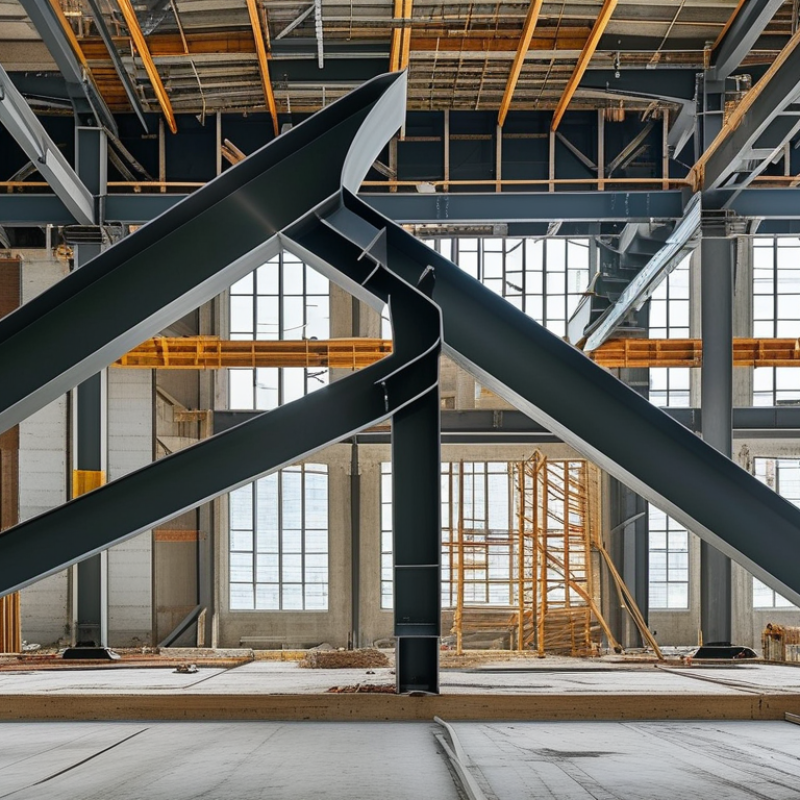
An I Beam, often referred to as a "H Beam", is a structural element widely used in construction. It has a distinctive shape resembling the letter "I." The top and bottom flanges are wide and flat, while the web (the vertical section) connects them. This design provides excellent strength and stability.
I Beams can bear heavy loads while minimizing material usage, making them efficient for various building projects. They are commonly found in bridges, skyscrapers, and industrial buildings.
One notable characteristic of I Beams is their ability to resist bending and shear forces. This makes them suitable for applications requiring durability, such as supporting floors and ceilings. The materials used can vary, with steel being the most common due to its unmatched strength-to-weight ratio. However, using I Beams isn't without its challenges. Proper installation is critical to ensure safety and structural integrity. Mistakes in alignment or support can lead to failures. Understanding load distribution is vital for architects and engineers designing safe structures.
Overall, I Beams play a crucial role in modern construction. Their unique characteristics provide a balance of strength and efficiency. However, professionals must approach their use with careful consideration. Failure to do so can result in significant safety risks and costly repairs in the future.
Types of I Beams Used in Construction Projects
I beams, also known as widely flange beams, play a crucial role in construction. They provide strength and support for various structures. Different types of I beams cater to specific needs in construction projects. The three main types are rolled beams, composite beams, and welded beams. Each type has unique properties and applications.
Rolled I beams are commonly used for load-bearing walls and columns. Their shape allows for efficient weight distribution. They are available in various sizes, with the capacity to support significant loads.
Composite I beams combine steel and concrete, enhancing durability and load capacity. Projects that demand extra strength often use this type.
Welded beams are custom-made, allowing for flexibility in design. They are often used in complicated structures like bridges.
Data from the American Institute of Steel Construction shows that 95% of all structural steel is used for buildings. This highlights the importance of selecting the right I beam type for project success.
However, engineers often face challenges in material selection. There can be trade-offs between cost and performance. It's essential to balance these factors for optimum results.
Applications of I Beams in Structural Engineering
I beams, also known as universal beams, play a crucial role in construction and structural engineering. One primary application of I beams is in the framework of buildings. Their unique shape allows them to support significant weight while maintaining stability. This characteristic makes them ideal for skyscrapers, bridges, and industrial complexes. Engineers often select I beams for their reliability and performance.
In addition to their use in load-bearing structures, I beams are also essential for reinforcing walls and floors. When properly placed, they can distribute weight evenly, minimizing stress on materials. Many construction projects utilize these beams for their durability and cost-effectiveness. Engineers must consider factors like load calculations and material quality when integrating I beams into designs.
While I beams offer many advantages, there can be challenges as well. For instance, ensuring proper installation is critical. Misalignment can lead to structural issues over time. Furthermore, corrosion can affect their lifespan, urging engineers to consider protective measures. Overall, I beams remain a vital component in modern construction, making thoughtful application essential.
Applications of I Beams in Structural Engineering
This chart represents the application distribution of I Beams across various structural engineering projects. The data reflects how frequently I Beams are utilized in different categories.
Benefits of Using I Beams in Building Construction
I-beams, known for their distinct shape, are vital in modern construction. These beams provide exceptional load-bearing capabilities. When used properly, they enhance structural integrity. According to industry data, an I-beam can support a load twice as heavy as a traditional beam of the same weight. This efficiency translates into safer buildings and reduced material costs.
The advantages of I-beams are numerous. They save space and reduce weight compared to other structural materials. This is critical in high-rise buildings where lower weight contributes to increased height. However, their installation requires precision. Miscalculations can lead to structural flaws. Even expert builders face challenges. An improperly aligned I-beam may compromise the entire structure's stability.
Moreover, I-beams are also energy-efficient. Using fewer materials means reduced carbon footprints in construction. However, the challenge lies in sourcing sustainable materials for I-beam production. Ongoing research indicates that recycled steel could play a significant role here. Yet, attaining the right balance between quality and sustainability remains a conversation within the industry.
What is an I Beam and How is it Used in Construction? - Benefits of Using I Beams in Building Construction
| Dimension |
Weight (lbs/ft) |
Load Capacity (lbs) |
Common Applications |
Material |
| I Beam 8x4 |
16 |
4,500 |
Residential Buildings |
Steel |
| I Beam 10x5 |
20 |
6,000 |
Commercial Buildings |
Steel |
| I Beam 12x6 |
25 |
8,000 |
Bridges |
Steel |
| I Beam 14x7 |
30 |
10,000 |
Industrial Sites |
Steel |
| I Beam 16x8 |
35 |
12,000 |
High-Rise Buildings |
Steel |
Installation and Maintenance of I Beams in Structures
I beams are fundamental in modern construction for their strength and durability.
Installation of I beams requires precision. Each beam must be accurately aligned and securely connected to ensure the stability of the structure.
According to the American Institute of Steel Construction (AISC), improper installation can result in significant safety risks.
The load capacity of an I beam is compromised if it is not level or anchored correctly.
Maintenance of I beams is critical for long-term performance.
Regular inspections should assess for signs of corrosion or fatigue. The American Society for Testing and Materials (ASTM) recommends inspecting structural steel at least annually.
Small issues can escalate if left unaddressed. Rust can weaken the beams significantly over time, leading to costly repairs or even structural failure.
To enhance safety, using protective coatings is advised.
These can help shield steel from environmental damage. The economic impact of maintaining I beams is noteworthy.
Studies show that proactive maintenance can lower repair costs by 30%.
Investing effort in installation and regular checks can ultimately save lives and resources.