How to Choose the Right Steel Coil for Your Project?
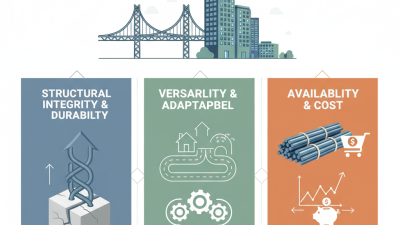
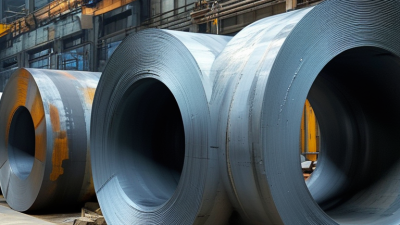
Choosing the right steel coil for your project is critical. Steel coils come in various grades, sizes, and finishes. Each option offers distinct advantages that can affect your project’s success. Understanding your specific needs is essential when selecting the right steel coil.
When assessing steel coils, consider the required tensile strength and corrosion resistance. For instance, galvanized steel coils provide superior protection against rust. Meanwhile, stainless steel coils offer heightened durability. These factors play a significant role in the longevity and effectiveness of your project.
It's important to reflect on your project's demands. Do not overlook the impact of steel coil thickness and width. These specifications influence both cost and performance. Sometimes, teams overlook the details. This can lead to costly errors later. By taking the time to choose wisely, you set the foundation for a successful outcome.
Understanding the Different Types of Steel Coils Used in Manufacturing
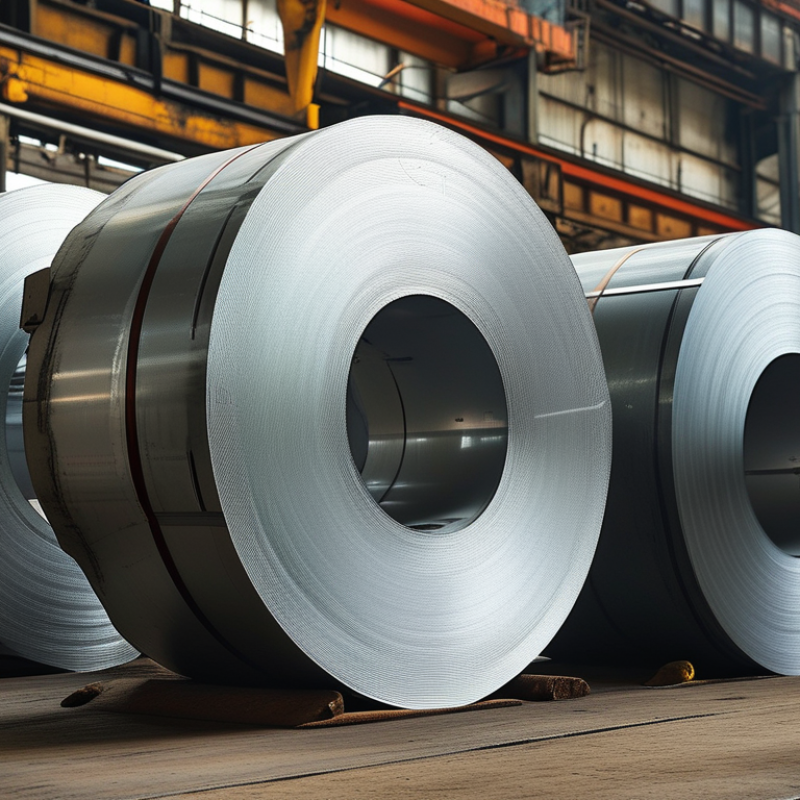
When selecting the right steel coil for your project, understanding the various types is crucial.
Steel coils are categorized mainly into hot-rolled, cold-rolled, and coated varieties.
Hot-rolled coils are manufactured through high-temperature processing. Typically, they boast better tensile strength but can have a rough finish.
According to the World Steel Association, hot-rolled coils occupy about 40% of the global steel coil market.
In contrast, cold-rolled coils undergo processing at room temperature. This enhances the surface finish and dimensional accuracy.
However, they are generally more expensive, as noted by industry reports from IPSOS that suggest cold-rolled steel comprises 25% of the market.
Coated steel coils, which may feature galvanization or painting, are also quite popular.
These coils resist oxidation and corrosion, and are essential in outdoor applications.
It’s important to consider specific requirements for your project. For example, while hot-rolled coils are strong, their surface might not meet aesthetic needs.
Cold-rolled options may suit precision tasks but can be prone to bending during installation.
Clearly, understanding these distinctions can help avoid costly mistakes in project outcomes.
Key Factors to Consider When Selecting Steel Coil Thickness and Gauge
When selecting steel coils, thickness and gauge are critical factors. The thickness directly impacts the strength and durability of your project. Thicker coils provide better resistance to bending and deformation. However, they can also be heavier and more challenging to work with. Consider the specific demands of your application. Will the coil undergo heavy loads? If so, a thicker option might be more appropriate.
Gauge, on the other hand, refers to the measurement of the steel's thickness. A lower gauge number indicates a thicker coil, which can be advantageous for heavy-duty applications. Conversely, a higher gauge is lighter and may be suitable for less demanding tasks. Understanding the balance between these factors is crucial. Sometimes, thinner coils can perform well if the design takes stress distribution into account. Each project is unique. Misjudging the required thickness or gauge can lead to increased costs or structural failures.
In practice, it’s advisable to consult with experts who understand the nuances of steel selection. Gather information on material properties and application scenarios. Testing samples can also lead to more informed choices. Relying on standardized measurements alone may not always reflect the real-world performance of steel coils in your project. Such an approach can help avoid potential pitfalls and ensure the right materials are chosen.
Analyzing the Importance of Steel Coil Quality Standards and Certifications
When selecting a steel coil for your project, understanding quality standards is essential.
Steel coils must meet specific certifications to ensure they are safe and durable. These standards from various regulatory bodies guide manufacturers and consumers alike. By choosing certified steel, you reduce the risks associated with structural integrity and performance.
Tips: Always check for quality certifications. Look for markings like ASTM or ISO, indicating adherence to recognized standards. Documenting these certifications can assist in future project verifications.
The importance of these quality standards cannot be overstated. Poor-quality steel can lead to costly failures. Many projects suffer due to a lack of attention to such details. Be aware that not every supplier can guarantee high-quality steel. Research suppliers and their product histories to avoid pitfalls.
Tips: Engage with professionals who understand steel specifications. They can guide you through the nuances of steel selection. Trust their expertise; it often saves time and resources in the long run.
Evaluating the Cost-Effectiveness of Various Steel Coil Options
Choosing the right steel coil involves understanding cost-effectiveness. Various options exist, each presenting unique benefits and drawbacks. Evaluating these can lead to more efficient budgeting for your project.
Steel coils vary significantly in price based on quality, gauge, and finish. Lower-cost options might save money upfront, but they could incur higher maintenance costs over time. High-quality steel coils tend to withstand wear and last longer. This is a crucial factor during your assessment.
Tips: Consider your project's specific requirements. Estimate total lifecycle costs rather than just initial expenses. This approach gives a clearer picture of what will be more economical in the long run. Also, consult with industry experts when uncertain about specific grades or coatings. Their insights can help prevent costly mistakes.
Not all projects are the same. What works for one may not be ideal for another. Take time to analyze your unique needs and resist the urge to rush into decisions. Balancing quality and cost requires careful thought, so don’t overlook any key details.
How to Choose the Right Steel Coil for Your Project? - Evaluating the Cost-Effectiveness of Various Steel Coil Options
| Steel Coil Type |
Thickness (mm) |
Width (mm) |
Cost per Ton (USD) |
Corrosion Resistance |
Application Areas |
| Mild Steel Coil |
1.2 |
1000 |
700 |
Low |
Construction, Automotive |
| Galvanized Steel Coil |
0.8 |
1200 |
850 |
High |
Roofing, HVAC |
| Stainless Steel Coil |
1.0 |
600 |
2500 |
Very High |
Food Processing, Medical |
| Cold Rolled Steel Coil |
1.5 |
1200 |
950 |
Moderate |
Appliances, Metal Furniture |
| Hot Rolled Steel Coil |
2.0 |
1500 |
650 |
Low |
Infrastructure, Heavy Machinery |
Assessing the Environmental Impact of Steel Coil Production and Use
Steel coil production significantly impacts the environment. The process involves mining, energy consumption, and emissions. Each step contributes to greenhouse gas release. This raises questions about sustainability in the construction and manufacturing sectors. Environmental assessments are essential for balancing industrial needs with ecological health.
Recycling steel is an effective way to reduce this impact. It requires less energy than producing new steel. However, the recycling rate is not always optimal. Many facilities struggle with efficiency. There’s a pressing need for innovations in recycling processes. This could lead to better practices both in production and waste management.
Moreover, sourcing raw materials also poses challenges. Mining affects local ecosystems and communities. The extraction process often involves destructive methods. This underscores the importance of not just choosing the right steel coil, but also considering its origin. Educated choices can foster a more sustainable future, though many questions remain unanswered.