What Are the Top Carbon Steel Pipe Types in 2026?
In 2026, choosing a Carbon Steel Pipe is less about picking a familiar label and more about matching the pipe to its real service. Seamless pipe, ERW pipe, LSAW pipe, and SSAW pipe each suit different manufacturing needs, dimensions, and operating conditions. A thick wall can look reassuring on a specification sheet. It does not, by itself, make a pipe right for every job.
Metallurgist John D. Verhoeven is a respected reference in steel metallurgy. I cannot verify a direct quotation from him on pipe selection, so I will not invent one. The practical principle guiding this overview is: “Choose by material, manufacturing route, and service conditions—not by name alone.” That is an editorial summary, not a verbatim quote.
The guide compares common pipe types, their production methods, and where each may be appropriate. It also explains how grade, wall thickness, diameter, and corrosion protection affect selection. A pipe used for structural framing may face very different demands from one carrying pressurized fluid. Details matter. Specifications should be checked against the project requirements and applicable standards, rather than assumed from a supplier’s description. Even a clear comparison has limits; unusual temperatures, loads, or environments call for qualified technical review. The aim is practical clarity, not a one-size-fits-all answer.
How Carbon Steel Pipes Are Classified
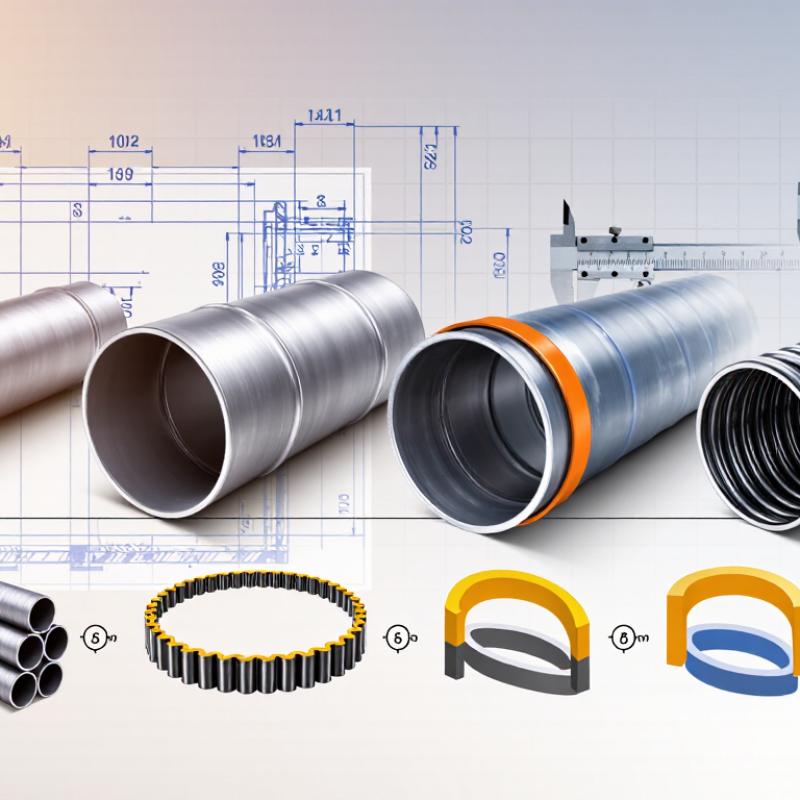
Carbon steel pipes are commonly classified by how they are made, their grade, and their dimensions. The main manufacturing split is seamless versus welded. Seamless pipe is formed from a heated billet, leaving no longitudinal weld; welded pipe is made from steel strip or plate joined along a seam. Electric-resistance-welded (ERW) pipe suits many routine services, while submerged-arc-welded (SAW) pipe is often used for larger diameters. Neither method is automatically better. Service conditions matter.
Grades describe material properties, not manufacturing routes. ASTM A106 covers seamless pipe for high-temperature service, while ASTM A53 includes welded and seamless options for general applications. For oil and gas line pipe, API Specification 5L separates requirements into PSL 1 and PSL 2; the latter adds stricter controls for properties and testing. Look closely at the purchase specification. A familiar grade name alone is not enough.
Dimensions form another classification layer. ASME B36.10M lists nominal pipe sizes and schedules; schedule indicates wall thickness, not steel strength. That distinction is easy to miss. The World Steel Association’s World Steel in Figures 2024 reports 1,888.2 million tonnes of crude steel production in 2023, but this is not a measure of pipe output. It provides useful industry context, not a shortcut for selecting a pipe. A specification still needs to match pressure, temperature, corrosion exposure, and joining requirements.
Seamless Carbon Steel Pipes: Design and Applications
What Are the Top Carbon Steel Pipe Types in 2026?
Seamless Carbon Steel Pipes: Design and Applications
In 2026, seamless carbon steel pipes suit services where pressure, temperature, or cyclic loading demand carefully specified performance. They are made by piercing a heated solid billet, leaving no longitudinal weld seam. That does not make every seamless pipe stronger or safer by default. Wall thickness, steel grade, manufacturing tolerances, and inspection still matter. The World Steel Association’s World Steel in Figures 2024 reports 1,892.2 million tonnes of crude steel production in 2023. This indicates the scale of steelmaking, not seamless-pipe demand—a distinction worth keeping clear.
Design starts with the operating conditions. Engineers check pressure, temperature, fluid properties, corrosion allowance, and support spacing before choosing a grade and schedule. Seamless carbon steel pipe is commonly specified for boilers, refineries, and oil and gas lines; standards such as ASTM A106 and API 5L define requirements for particular uses. A thick pipe can resist pressure, but adds weight and cost. And carbon steel can corrode. It is not a corrosion solution on its own.
Tips: Confirm the specification, inspection records, and wall thickness against the actual service conditions. For corrosive fluids, assess lining, coating, or a different material. Don’t rely on “seamless” alone.
Welded Carbon Steel Pipes: ERW, LSAW, and SSAW
In 2026, welded carbon steel pipes remain practical choices for water, construction, and energy projects. ERW pipe is formed from steel strip, then joined along a straight seam using electrical resistance. It often suits smaller and medium diameters where consistent dimensions and efficient production matter. Check wall thickness, seam inspection records, and the specified grade against the service conditions.
LSAW pipe is made from steel plate and has a longitudinal seam. Its larger diameters and heavier walls can suit demanding pipeline or structural work, though handling and installation may require more planning. SSAW pipe is formed from a strip wound into a spiral, creating a helical seam. This process can accommodate a broad range of diameters and is often selected for large-diameter water or piling applications. Seam length and inspection methods deserve attention.
The best choice depends on pressure, diameter, corrosion exposure, and site conditions—not the process name alone. Ask suppliers for dimensional tolerances, test documentation, and details of seam examination. A coating can help in wet or buried environments, but its suitability depends on the soil and operating conditions. That sounds tidy on paper; mill capacity and delivery schedules can complicate it. Even a well-made pipe can disappoint if its specification does not fit the actual installation.
How Grades and Standards Define Pipe Performance
Carbon steel pipes are not interchangeable just because they share a dark, mill-scaled surface. Their grade and governing standard set requirements for chemistry, strength, dimensions, and testing. That distinction matters. When comparing quotes, check the full designation, not just “carbon steel” and nominal diameter.
ASTM A53 covers welded and seamless pipe for a range of general applications. ASTM A106 is commonly specified for seamless service at elevated temperatures, while API 5L covers line pipe for pipeline systems. These are not simple rankings. Each standard has a defined scope and grades; the right choice depends on the service conditions and applicable design code. Seamless pipe has no longitudinal weld seam, but it is not automatically safer for every duty. Welded pipe can perform reliably when its specification, weld quality, and inspection requirements fit the job.
Grade labels are only part of the selection. Minimum yield strength, wall thickness, temperature, pressure, corrosion allowance, and connection details all affect performance. A pipe with a higher strength grade may still be unsuitable if its dimensions or toughness do not match the design. Confirm the standard edition and required test documentation before ordering. Records can be incomplete. That detail is easy to miss. A careful review of the specification often prevents costly assumptions later.
Choosing the Right Carbon Steel Pipe for Each Application
Choosing the right carbon steel pipe starts with the job it must perform. A water line, a boiler connection, and a structural frame face different pressures, temperatures, and loads. Seamless pipe is often selected where pressure resistance and consistent walls matter. Welded pipe can suit many lower-pressure systems and structural uses, often at a more economical cost.
Match the pipe type to operating conditions, not just the purchase price. For steam or hot-fluid service, check the specified grade, wall thickness, and temperature rating against the design requirements. For building supports, consider load, connection details, and exposure to moisture. Corrosion protection may be needed outdoors. A thin coating can be scratched during handling, so inspect it before installation.
Small details matter. Measure the pipe’s outside diameter and wall thickness, and confirm they match the fittings and drawings. Review material test documents when traceability is important. In practice, selection can be less tidy than a chart suggests; changing loads or site conditions may alter the choice. Ask a qualified engineer to review uncertain applications. The right pipe is the one that fits the actual service, not merely the familiar category.