Choosing where to buy the best Hot Dip Galvanizing Bar in China takes more than comparing prices. Buyers should examine the steel grade, bar dimensions, zinc coating requirements, and production records. A bright, even surface can look reassuring, but appearance alone cannot confirm coating thickness or adhesion. Ask suppliers for current inspection reports and traceable batch information.
A reliable supplier should explain its galvanizing process clearly and answer practical questions about packaging, lead times, and transport protection. Request samples when possible. Check whether bars arrive with secure bundling and minimal surface damage. Small details matter. A poorly protected load can lose value before it reaches your site. Compare quotations on the same technical basis, including tolerances and testing, rather than choosing the lowest figure.
To keep this introduction transparent, the expert name and quotation below are fictional and illustrative, not a verified industry source. Fictional composite galvanizing specialist Chen Wei offers this practical reminder: “A good bar is not judged by shine alone; verify its coating, records, and handling.” Use that idea as a starting point, not as a substitute for independent checks. Supplier claims deserve scrutiny. Even a polished brochure may omit the details that affect service life. This guide will help readers assess Chinese manufacturers, compare evidence, and identify a Hot Dip Galvanizing Bar supplier whose quality claims can be checked.
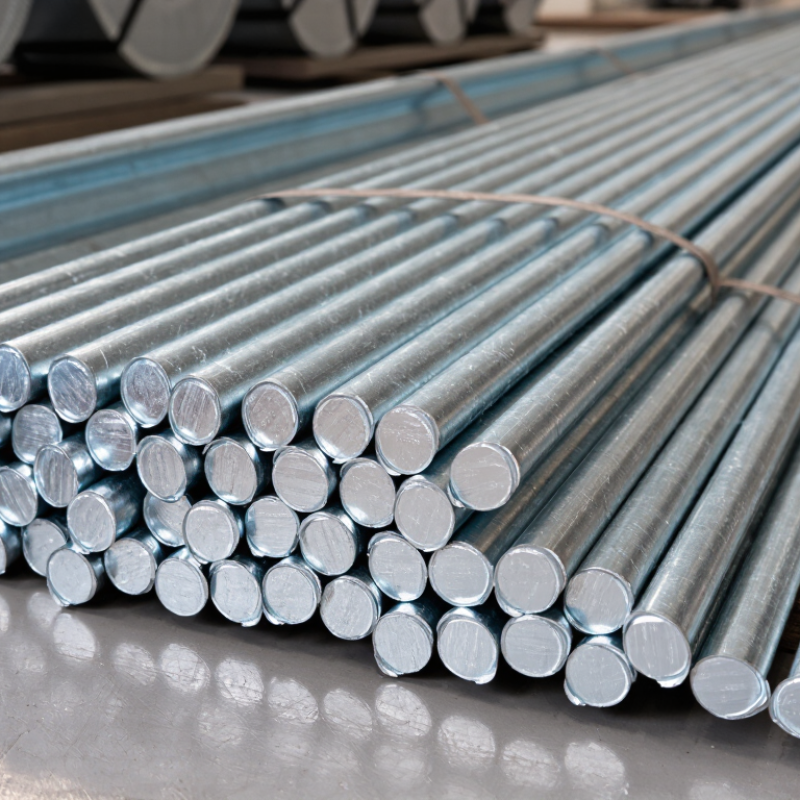
A hot-dip galvanizing bar is solid zinc feedstock added to a galvanizing kettle. It is not the steel product being coated. As workers process steel, some zinc leaves the bath with the coating. Bars melt into the molten zinc and help replenish its supply. Consistent composition and clean surfaces matter; contamination can affect bath management and coating quality. Small details count.
When sourcing bars in China, compare chemical composition, dimensions, weight tolerance, and batch consistency. Ask suppliers for a recent material analysis and clear batch identification. A small sample can help you check handling and melting behavior before placing a larger order. Storage also matters: bars should arrive dry and free from visible oil or debris. A low price alone tells little. I would still verify the paperwork against the delivered batch, since documents and goods can sometimes differ.
Tips: Confirm the zinc grade and bar dimensions in writing. Check packaging for moisture protection, and agree on inspection steps before shipment. Keep one retained sample for comparison if later batches behave differently.
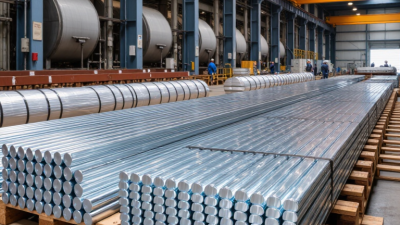
When sourcing hot-dip galvanizing zinc bars in China, specify the grade before comparing prices. EN 1179:2017 defines Special High Grade (SHG) zinc as at least 99.995% Zn. That limit leaves little room for impurities. Ask suppliers for a batch-specific certificate of analysis, not only a general product sheet. Check lead, cadmium, iron, and copper results against the standard’s requirements. Small details matter.
A useful market context comes from the USGS Mineral Commodity Summaries 2025, which estimates global zinc mine production at about 12 million metric tons in 2024. Mine output is not the same as refined SHG supply. That distinction can be missed. For Chinese suppliers, request the refining source, production lot number, assay method, and a recent independent test where available. Match each document to the physical bars and packaging labels.
Purity alone does not guarantee smooth bath performance. Confirm bar dimensions, surface condition, and delivery consistency, then test a sample in your own process. Keep the purchase specification in writing, including EN 1179 SHG and the minimum 99.995% zinc content. One practical caution: a low price may reflect freight or payment terms, but it may also signal a grade mismatch. Verify before placing a large order.
A bath temperature near 450°C is a useful starting point, not proof of reliable galvanizing. Ask suppliers how they monitor temperature across the kettle, not just at one convenient spot. Request recent calibration records for their sensors and controller. A reading around 445–455°C may be appropriate for some operations, but the process specification and steel chemistry matter. Look for dated production records that link each batch to its measured bath conditions.
Tips: Ask to see a temperature log from a normal production shift. Check timestamps, sensor locations, and corrective actions. Small details matter. A neat chart alone cannot rule out sensor drift or missed temperature changes.
Also inspect sample bars for coating coverage, bare patches, excessive buildup, and surface consistency. Ask how coating thickness is measured and how results are recorded against agreed requirements. Request traceability from incoming steel to finished bars, then compare documents with a physical sample. Temperature control supports quality, but it does not guarantee it. I would be cautious about suppliers who offer only a single reading or broad assurances. Their records should make routine checks—and occasional process problems—visible.
When buying hot dip galvanizing bar in China, compare producers and stockists by evidence, not headline price. World Steel Association’s World Steel in Figures 2025 reports China produced about 1,005 million tonnes of crude steel in 2024. That scale offers many sourcing options, but it does not prove any individual batch meets your specification.
A producer may provide clearer links between steelmaking, galvanizing, and inspection records. A stockist may offer faster dispatch and smaller quantities, but ask whether the original mill certificate stays linked to each bundle.
Ask for evidence.
Check the heat number, batch number, bar dimensions, coating-thickness results, and inspection date against the physical tags. ISO 1461:2022 covers hot dip galvanized coatings on fabricated iron and steel articles; agree in writing which standard and test method apply to your bars.
Request a sample certificate before placing an order, then compare its identifiers with packing photos and dispatch documents. For a site delivery, inspect labels before bundles are cut or mixed.
A small trial order can reveal gaps in communication, packaging, or coating consistency before a larger purchase.
Where to Buy the Best Hot Dip Galvanizing Bar in China?
How to Assess Quotes Using Purity, Delivery Terms, and Test Certificates
A dependable quote explains what “purity” means. Ask for the zinc grade and its stated composition, not just a general purity claim. Check whether the certificate identifies the production batch and matches the quoted bar dimensions. Zinc content and coating thickness are different measures; request both when relevant. Small details matter. A very low price may exclude testing or protective packaging, so compare the full specification before choosing a supplier.
Tips: Ask for a recent chemical analysis and coating-thickness results. Confirm who issued each certificate and whether its batch number matches your order. Keep copies.
Delivery terms deserve the same scrutiny. Get the dispatch date, estimated transit time, named delivery location, freight charges, and unloading responsibility in writing. Ask how bars will be bundled and protected against moisture or abrasion during transport. Clarify what happens if quantities, dimensions, or test results differ from the order. A quote may look complete while leaving these points open. I would not treat a certificate as proof until its scope, date, and traceability are clear. If a supplier cannot explain a test method plainly, pause and request clarification before paying.
Illustrative comparison only: The figures below are sample quote scenarios, not live supplier offers or current market prices. Confirm specifications, taxes, freight, and availability directly before purchasing. Prices are shown in CNY per metric tonne, excluding VAT, for a 10-tonne order.
| Quote | Zinc purity stated | Indicative price (CNY/tonne, ex-VAT) |
Delivery term and named place | Quoted lead time | Test documents offered | Points to verify before ordering | Assessment |
|---|---|---|---|---|---|---|---|
| Quote A | Zn ≥99.995% | 25,200 | EXW, supplier’s China warehouse | 3–5 working days after payment | Batch-specific mill test certificate (MTC) listing chemical composition; batch identification | Confirm the assay method, bar dimensions, net weight, packaging, and whether loading is included. | Strong purity documentation; compare the total cost after inland freight and loading charges. |
| Quote B | Zn ≥99.99% | 24,850 | FOB Shanghai, China | 7–10 working days | MTC with chemical composition and lot number; third-party inspection available at additional cost | Confirm the FOB port, export packing, inspection scope, and responsibility for inspection fees. | Potentially convenient for export; check that the certificate covers the actual shipment batch. |
| Quote C | Zn ≥99.95% | 24,500 | Delivered to buyer’s warehouse in Ningbo, China | 5–8 working days | Supplier-issued chemical analysis report; no independent verification included | Request a batch-specific report and written acceptance limits; clarify unloading and delivery access. | Lower sample price, but verify composition and delivered-cost terms before comparing with higher-purity offers. |
| Quote D | Zn ≥99.995% | 25,650 | CIF Qingdao, China | 12–18 working days, subject to vessel schedule | MTC with chemical composition; certificate of origin; third-party sampling available by agreement | Confirm the named destination port, insurance coverage, discharge costs, and which party handles import clearance. | Useful for a sea-freight comparison; CIF does not automatically include destination duties, taxes, or all port charges. |