How to Select the Right I Beam for Your Construction Project?
I Beams are fundamental components in construction. Choosing the right I Beam can significantly impact a project's success. According to industry reports, using the appropriate I Beam grade increases structural integrity by 30%. This statistic highlights the critical nature of selection.
I Beams come in various sizes and weights. Selecting the best option requires understanding the load demands and environmental factors. Many construction projects fail to consider these details, leading to structural issues. In fact, over 40% of design flaws arise from material miscalculations.
Several manufacturers provide I Beams, but not all meet quality standards. It is essential to source them from reputable suppliers. Relying on trusted industry guidelines can mitigate risks. Each project has unique needs, and careful selection is key to ensuring safety and durability.
Understanding the Different Types of I Beams Available for Construction
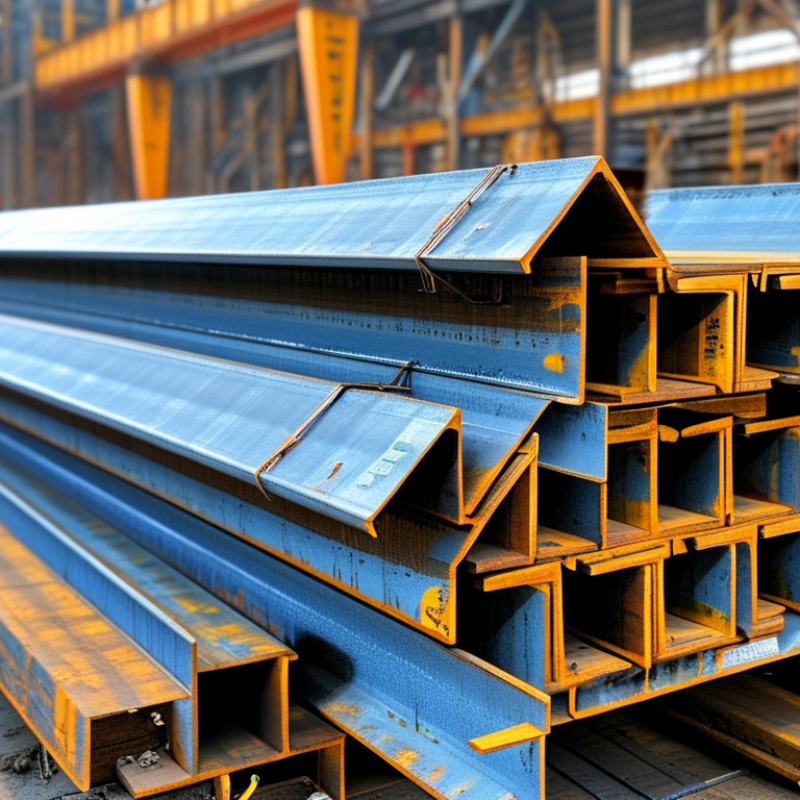
When selecting I beams, understanding the types available is crucial. There are several variations, each designed for specific structural needs. The most common types include wide flange, junior I beams, and S beams.
Wide flange beams, known for their flat flanges, provide excellent support for commercial buildings. Reports indicate that they account for nearly 60% of steel used in construction projects, reflecting their popularity and reliability.
Junior I beams, on the other hand, are lighter and often used in lighter structures. They have a narrower flange, which can lead to cost savings. However, their load-bearing capacity may be lower. Some projects face challenges in load distribution, leading engineers to reconsider initial choices. S beams, while not as commonly used, are preferred in certain applications where their specific profile fits the design need.
In addition to type, the size and weight of the beam affect construction outcomes. Many construction professionals underestimate the importance of these details. An effective choice can enhance structural integrity, while a poor one can lead to safety concerns and budget overruns. Data highlights that nearly 20% of project delays stem from inadequate structural assessments. Careful selection is vital for ensuring the success of any construction undertaking.
Factors to Consider When Selecting I Beams for Structural Integrity
When selecting I beams for your construction project, consider several key factors. The material of the I beam is critical.
Steel is commonly used for its strength and durability. According to the American Institute of Steel Construction (AISC),
steel I beams can support more weight than other materials, making them ideal for larger structures. However, specific environmental conditions may influence your choice.
Load capacity is vital. Evaluate the weight the beam must support. For residential projects, beams typically support lighter loads.
In contrast, commercial constructions require more robust options. A recent report indicates that miscalculation of load can lead to
structural failures, costing projects significantly.
Tips: Always consult a structural engineer for load calculations. They can help you select beams that ensure safety and compliance.
Another factor is the beam size. A larger I beam may provide additional strength but can also add weight to the structure.
Balancing strength with cost is often challenging. Incorrect sizing can lead to unnecessary expenses and structural concerns.
Tips: Consider future loads in your design. This foresight can prevent costly adjustments later.
Ultimately, assessing all these elements carefully will help you select the right I beam, ensuring the
structural integrity of your project.
Evaluating Load Requirements for Your Construction Project
Selecting the right I beam for a construction project hinges significantly on evaluating its load requirements. Understanding these requirements is crucial to ensure safety and structural integrity. According to industry reports from the American Institute of Steel Construction, beams must be capable of supporting not just the weight of the structure, but also dynamic loads such as wind and seismic activity. For instance, a beam supporting a roof must account for snow load in winter months.
When assessing load requirements, start by calculating the Total Load the beam will carry. This includes dead loads from the structure itself and live loads from occupants and equipment. Check local building codes for mandatory load requirements. The American National Standards Institute provides specifications to reference for safe design practices.
Tips: Consider consulting a structural engineer. They can provide valuable insights based on experience. Always err on the side of caution when estimating loads. A slight miscalculation can lead to serious structural issues down the line.
Awareness of potential overloading is essential. While you might feel confident about your calculations, external factors can change load capacity. For example, additional amenities added later may alter load expectations dramatically. It’s wise to allow for future adaptability in the structure. This foresight could save time and money in retrofitting later stages.
Assessing Material Options: Steel vs. Other Alternatives for I Beams
When selecting I beams for your construction project, the choice between steel and alternative materials can significantly impact structural integrity and cost-effectiveness. Steel is a common choice due to its high strength-to-weight ratio. This allows for longer spans and heavier loads. Steel beams also resist deformation from loads and offer durability over time. Yet, they can be expensive when accounting for fabrication and transportation.
However, other materials like aluminum and engineered wood have gained ground as alternatives for specific applications. Aluminum is lighter and more resistant to corrosion but has lower strength compared to steel. Engineered wood beams, such as LVL or glulam, can provide a sustainable option. These materials can be more eco-friendly but might not support heavy loads consistently. Reflecting on these choices is vital. Consider the construction environment, lifespan requirements, and budget constraints. Each material has its pros and cons that require careful evaluation.
How to Select the Right I Beam for Your Construction Project? - Assessing Material Options: Steel vs. Other Alternatives for I Beams
| Material Type |
Typical Weight (lbs/ft) |
Load Capacity (lbs) |
Cost per Foot ($) |
Corrosion Resistance |
| Steel |
38 |
10,000 |
$50 |
Moderate |
| Aluminum |
15 |
4,000 |
$75 |
High |
| Composite |
25 |
6,000 |
$100 |
Very High |
| Concrete |
50 |
8,000 |
$60 |
Low |
Best Practices for Installation and Maintenance of I Beams in Construction
Proper installation and maintenance of I beams is crucial for the integrity of any construction project. When installing I beams, always ensure that they are placed on a solid foundation. Misalignment can lead to significant structural issues down the line. Double-check measurements before making cuts. Small errors can create large problems. Use proper lifting techniques to prevent damage to the beams and ensure the safety of workers.
Regular maintenance is equally important. Inspect I beams for signs of corrosion or damage at least twice a year. Even minor wear can compromise strength. Keep the surrounding area clean and free of debris. Dirt and moisture can lead to longer-term deterioration. Additionally, if any shifts or twists occur, documenting these changes is crucial.
Engaging with professionals during the installation and maintenance phases can enhance safety and effectiveness. Their experience and expertise can prevent costly errors. Trusting your instincts is essential, but seeking advice is a smart strategy. Refining your approach will lead to better outcomes. Always be ready to adapt to the unexpected. Construction is full of surprises, and learning from each project enhances future performance.
How to Select the Right I Beam for Your Construction Project