Leave Your Message
China remains the world’s largest steelmaking base, giving global buyers access to extensive production capacity and export experience. According to the World Steel Association’s World Steel in Figures 2024, China produced approximately 1.02 billion tonnes of crude steel in 2023. That volume represented more than half of global output. Scale matters, but it does not guarantee consistent Steel Profile quality.
This guide introduces ten Chinese manufacturers serving international buyers. It focuses on structural steel profiles, including H-beams, I-beams, channels, angles, and hollow sections. The selection considers production capability, export history, dimensional control, surface treatment, and documented quality systems. Buyers should examine ISO 9001 certification, EN or ASTM compliance, mill test certificates, and third-party inspection options. Real projects often depend on small details, such as flange straightness, weld penetration, coating thickness, and bundle labeling.
Industry pressure is also changing. The OECD’s latest steel market assessments continue to highlight global overcapacity and uneven demand conditions. Therefore, low quotations require careful review. A cheaper profile may involve thinner tolerances, weaker traceability, or higher inspection costs later. This article uses publicly available company information, industry data, and practical procurement criteria rather than marketing claims alone. No ranking is perfect. Supplier capabilities can change, and regional agents may present incomplete information. Buyers should request current production records, recent test reports, verified references, and sample specifications before signing contracts. That extra step is not dramatic. It is sensible.
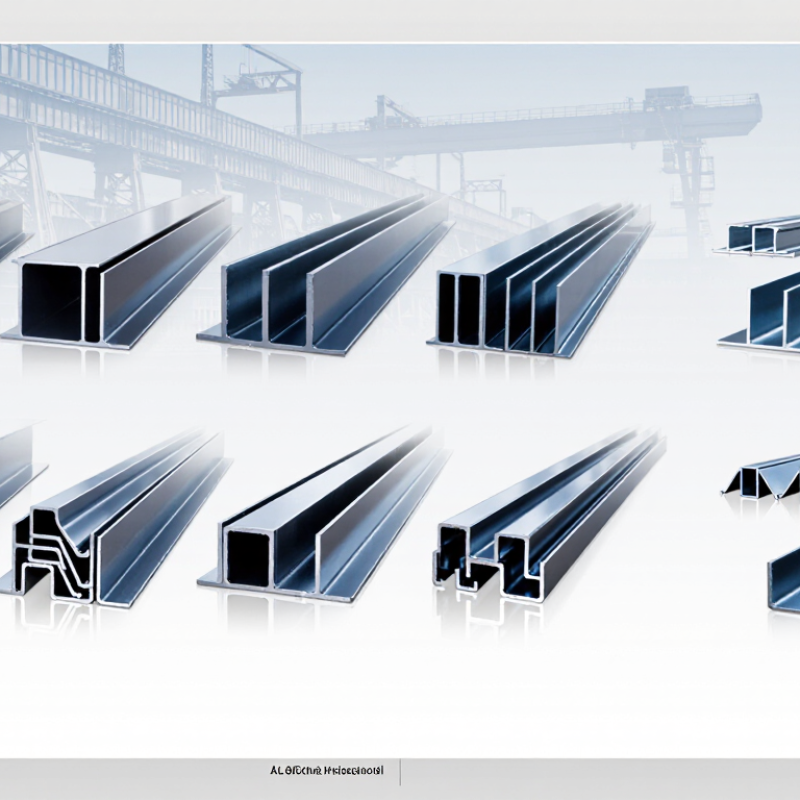
Steel profiles are long, shaped steel products designed to carry loads or create precise frames. Common forms include H-beams, I-beams, channels, angles, rails, and hollow sections. Their geometry improves strength while reducing unnecessary material. A 200-millimeter H-beam, for example, can support a warehouse roof with fewer connections and less welding.
China is a major global supplier because its steel industry combines large capacity, integrated production, and extensive processing networks. The World Steel Association reported that China produced about 1,019 million tonnes of crude steel in 2023. That represented roughly 54% of global output. This scale supports competitive lead times, varied dimensions, and customized surface treatments for overseas projects. China’s manufacturing base also serves construction, energy, machinery, and transport industries.
For global buyers comparing the top 10 steel profile manufacturers, production volume is only one useful measure. It does not prove consistent quality. Buyers should check mill certificates, chemical composition, tensile strength, dimensional tolerance, and independent inspection records. Standards such as ASTM, EN, and ISO can clarify expectations, but paperwork still needs careful review. The OECD’s steel market studies repeatedly highlight global overcapacity concerns, so low prices deserve questions, not automatic approval. In practice, a reliable supplier should provide traceability from billet to finished profile. A clean surface can hide internal defects. That is why sample testing, welding trials, and shipment inspections remain sensible steps, even when the catalogue looks impressive.
Comparative guide to the ten principal steel-profile product segments commonly manufactured for international construction, infrastructure, energy and industrial projects.
| Profile Manufacturing Segment | Typical Manufacturing Route | Common Standards | Typical Size or Thickness Range | Typical Steel Grades | Main Applications | Common Surface or Delivery Options | Global Buyer Relevance |
|---|---|---|---|---|---|---|---|
| 1. H-Beams | Hot-rolled structural sections produced from billets or blooms through universal rolling mills. | GB/T 11263, EN 10025, ASTM A6/A572 | Approx. 100–1,000 mm nominal depth; flange and web thickness vary by section. | Carbon and low-alloy structural steels such as S235/S355 and ASTM A36/A572 equivalents. | Building frames, warehouses, bridges, industrial plants and heavy supporting structures. | Black mill finish, shot-blasted, painted, galvanized or cut to length. | Widely exported because of standardized sections and strong demand in construction. |
| 2. I-Beams | Hot rolling with an I-shaped cross-section optimized for bending resistance. | GB/T 706, EN 10024, ASTM A6 | Approx. 80–900 mm nominal depth; standard and heavy sections are available. | S235/S275/S355 and comparable ASTM structural grades. | Floor beams, platforms, machinery supports, bridges and general steelwork. | Mill finish, primer-coated, beveled, drilled or fabricated to drawing. | Suitable for project shipments where weight, section availability and price are key factors. |
| 3. Steel Channels | Hot-rolled or cold-formed production, depending on section size and required tolerances. | GB/T 706, EN 10162, ASTM A6 | Approx. 40–400 mm web depth; thickness commonly about 3–30 mm. | Commercial-quality carbon steel and structural grades including S235 and S355. | Frames, rails, vehicle structures, equipment bases, supports and secondary members. | Black, galvanized, painted, punched, drilled or cut to specified lengths. | Commonly stocked and easy to combine with other structural sections in container or bulk orders. |
| 4. Equal and Unequal Angles | Hot-rolled angle production; smaller sizes may also be formed from steel strip. | EN 10056, ASTM A6, GB/T 706 | Leg sizes commonly about 20–250 mm; thickness generally 3–35 mm. | S235/S275/S355 and ASTM A36/A572-type grades. | Towers, trusses, bracing, transmission structures, frames, supports and general fabrication. | Mill finish, galvanized, painted, drilled, bundled or cut to length. | Highly versatile profile with strong demand in infrastructure and fabricated steelwork. |
| 5. Z-Purlins | Cold roll-forming of galvanized or pre-painted steel coil into thin-walled Z sections. | EN 10162, ASTM A653/A792, relevant regional cold-formed design codes | Approx. 100–350 mm depth; thickness commonly 1.5–3.5 mm. | Structural galvanized steels such as S350GD and ASTM Grade 50 or equivalent. | Roof and wall purlins, agricultural buildings, warehouses and solar-support systems. | Hot-dip galvanized, Al-Zn coated, pre-painted, punched and telescoped for transport. | Lightweight and efficient for long-span buildings, reducing shipping weight and erection time. |
| 6. C-Purlins and C-Sections | Cold roll-forming from coated or uncoated steel strip with optional stiffening lips. | EN 10162, ASTM A653/A792, regional cold-formed steel standards | Approx. 60–300 mm depth; thickness commonly 1.5–3.5 mm. | High-strength galvanized structural steel, often in the G350–G550 or equivalent range. | Roof framing, wall girts, ceiling systems, solar mounting and light industrial buildings. | Galvanized, Al-Zn coated, pre-painted, punched and supplied in customized lengths. | Popular with prefabricated-building buyers because profiles are light, repeatable and easy to install. |
| 7. Hollow Structural Sections | Electric-resistance welding or seamless production for selected sizes and service conditions. | EN 10219, EN 10210, ASTM A500/A1085 | Square and rectangular sections commonly 20–600 mm; wall thickness about 1.5–25 mm. | S235/S355, ASTM A500 Grade B/C and equivalent structural grades. | Columns, trusses, architectural structures, machinery, bridges and transport equipment. | Black, galvanized, painted, beveled, tested hydrostatically or cut to length. | Strong export segment because HSS combines clean appearance, torsional strength and efficient material use. |
| 8. Steel Sheet Piles | Hot-rolled or cold-formed interlocking sections with manufactured clutch connections. | EN 10248, ASTM A572/A690, JIS A 5528 | Typical effective widths about 400–800 mm; thickness often 8–24 mm. | S275GP/S355GP, ASTM A572 and marine or high-strength grades where specified. | Quays, retaining walls, cofferdams, flood defenses, basements and temporary works. | Mill finish, painted, coated, welded accessories and pre-cut lengths. | China’s large steelmaking base supports competitive production for infrastructure and marine projects. |
| 9. Steel Rails | Specialized hot rolling followed by controlled cooling, straightening and dimensional inspection. | EN 13674-1, AREMA, UIC and applicable national railway standards | Common rail masses approximately 30–75 kg/m; heavier designs are available for high-load routes. | Pearlitic rail steels commonly around 900–1,200 MPa tensile-strength classes, subject to specification. | Mainline railways, urban transit, mining railways, cranes and heavy-haul systems. | Rolled lengths, drilled ends, special end finishing, ultrasonic testing and strict dimensional control. | High-value, specification-driven product requiring approved production, testing and traceability. |
| 10. Cold-Formed Custom Profiles | Roll-forming or press-braking of strip, sheet or coil to a buyer-specific cross-section. | EN 10162, ASTM A1003, ASTM A653 and project-specific design codes | Approx. 0.8–8 mm thickness; profile dimensions depend on tooling and design requirements. | Structural, galvanized, weathering, stainless or high-strength low-alloy steels as specified. | Solar structures, doors, racking, automotive parts, facade systems and industrial equipment. | Galvanized, pre-painted, powder-coated, perforated, welded, punched or precision cut. | Flexible production and tooling capacity make China attractive for customized export orders. |